Ever wondered why your loan gets rejected or why your credit card interest is so high? It all comes down to one simple thing: credit management. This is not just a fancy financial term—it’s something that can shape your entire financial future. Don’t worry, though! In this guide, we’ll break it down in simple words and show you how it works, why it matters, and how you can manage your credit smartly.
What Is Credit Management?
Credit management is the process of handling your debts and credit wisely. It means borrowing only what you can afford, paying your bills on time, and keeping your financial life in balance. It’s like managing your money in a way that keeps your credit healthy.
Key Areas of Credit Management
- Using credit cards responsibly
- Paying off loans and debts on time
- Monitoring your credit score
- Understanding interest rates
- Avoiding unnecessary debt
Good credit management helps you stay financially strong and stress-free.
Why Is Credit Management Important?
Helps You Stay Out of Debt
One of the biggest benefits of managing your credit properly is avoiding unnecessary debt. When you keep track of your spending and only borrow what you need, you avoid falling into a debt trap.
Builds a Good Credit Score
A good credit score is like a financial report card. It shows lenders that you’re responsible with your money. The better your score, the easier it is to get loans, buy a house, or even get a better job.
Makes It Easier to Get Loans
If you ever want a home loan or a car loan, your credit history will be the first thing banks check. Poor credit management leads to loan rejections or high interest rates. On the other hand, good credit habits can open doors to better loan offers.
How Credit Management Works
Budgeting and Spending Wisely
The first step in managing your credit is knowing where your money is going. Set a monthly budget that includes all your expenses and stick to it. If you spend more than you earn, it can lead to credit card debt and financial stress.
Monitoring Your Credit Reports
Always keep an eye on your credit report. It shows how well you’re managing your loans and payments. Check for errors and report any mistakes that could hurt your score.
Paying Bills on Time
Late payments are a big red flag for lenders. Always pay your bills—whether it’s your credit card, electricity, or loan—on or before the due date. Even one missed payment can affect your credit score.
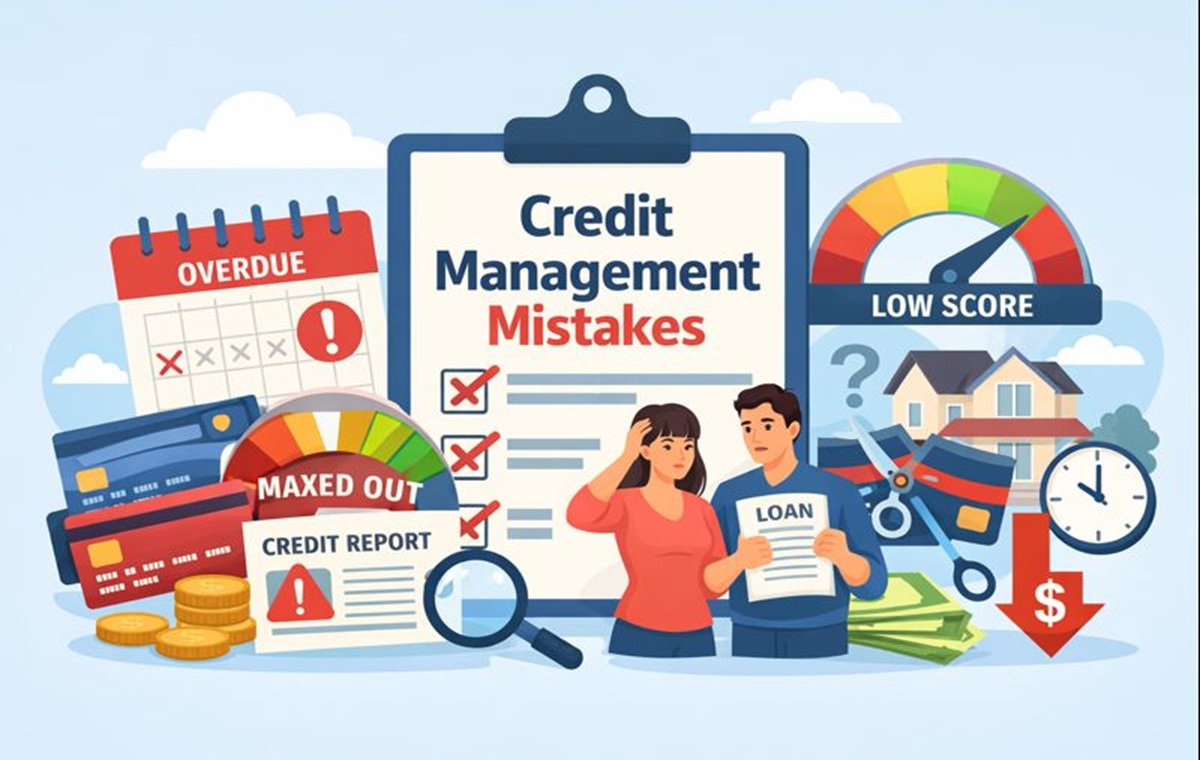
Common Credit Management Mistakes
Ignoring Credit Reports
Many people don’t check their credit reports regularly. But this report shows how lenders view your financial habits. Ignoring it could mean missing errors or signs of identity theft.
Overspending on Credit Cards
Credit cards can be helpful, but they can also lead to overspending. If you always swipe your card for shopping or eating out and don’t pay the full amount, interest charges can pile up.
Missing Payment Deadlines
Life can get busy, and forgetting to pay a bill is easy. But even one missed payment can damage your credit score. Setting reminders or using automatic payments can help you avoid this mistake.
Tips for Better Credit Management
Set a Monthly Budget
Write down your income and expenses. This will help you see how much money you have left to pay off debt or save. Budgeting is a powerful tool for staying in control.
Use Credit Cards Responsibly
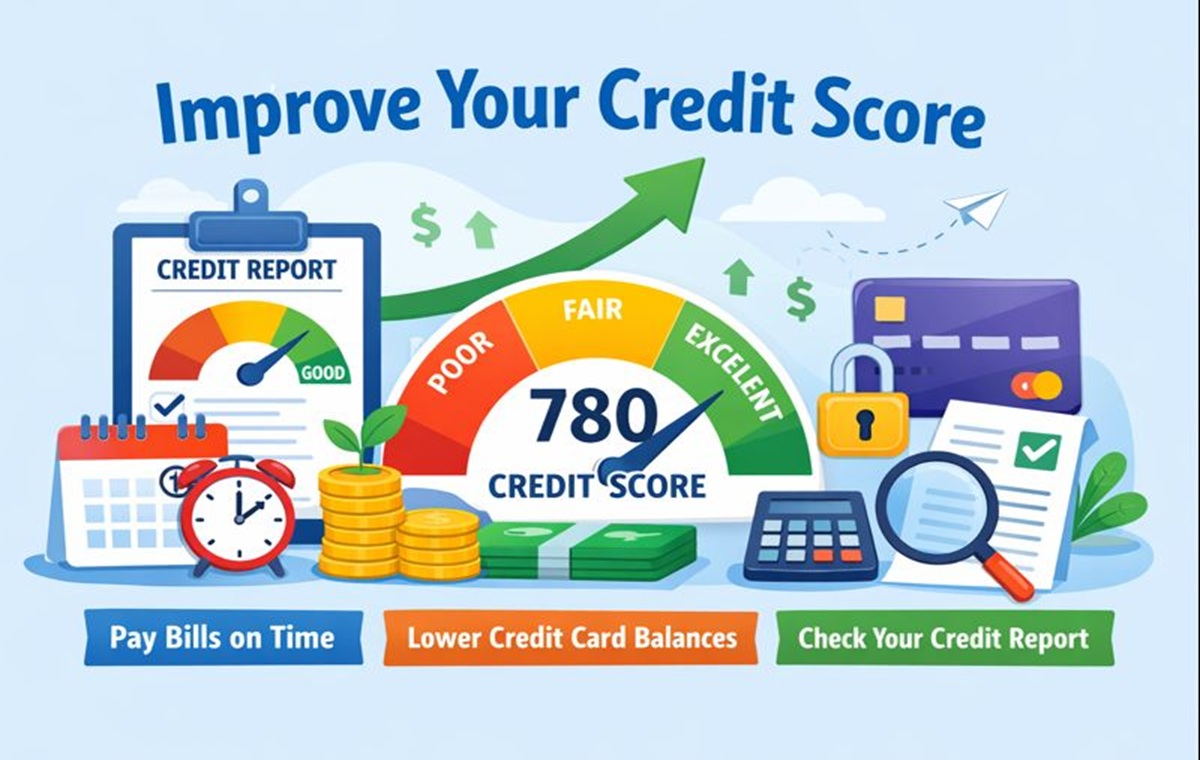
Don’t max out your cards. Try to use only 30% or less of your available limit. Always pay your credit card balance in full if possible.
Regularly Review Your Credit Score
There are many free websites that let you check your credit score. Keep an eye on it and look for changes. If your score drops, figure out why.
Pay More Than the Minimum
If you can, always pay more than the minimum amount on your credit card. This helps you reduce your debt faster and pay less in interest.
How Credit Management Affects Your Life
Renting a House or Apartment
Landlords often check credit reports before renting out property. If your report shows late payments or unpaid loans, you might get rejected.
Getting a Job
Some companies check your credit history when hiring, especially for jobs that involve handling money. A clean credit report shows you’re responsible.
Starting a Business
Want to start your own business? You’ll probably need a loan. A strong credit history increases your chances of getting the money you need to launch your dream.
Credit Management Tools and Resources
Free Credit Report Services
Websites like AnnualCreditReport.com offer free credit reports. Use them to check your financial status once a year from each major bureau.
Budgeting Apps
Apps like Mint, YNAB (You Need A Budget), or GoodBudget help track spending and stay within limits. These tools make managing money easy and fun.
Financial Advisors
If managing credit feels overwhelming, don’t hesitate to ask for help. A financial advisor can guide you based on your income and goals.
Conclusion
Credit management isn’t just about paying your bills—it’s about building a healthy relationship with money. When you understand how credit works and how to manage it wisely, you set yourself up for financial freedom, lower stress, and better opportunities in life.
Whether you’re just starting out or trying to fix past mistakes, it’s never too late to take control. Remember, small steps today can lead to big rewards tomorrow. Stay informed, stay disciplined, and watch your financial health grow stronger every day.
FAQs
1. What is the main goal of credit management?
The main goal is to help you handle debt responsibly, avoid late payments, and build a strong credit score that benefits your financial life.
2. How can I improve my credit score fast?
Pay your bills on time, reduce your credit card balances, and avoid applying for too many loans or cards at once.
3. Is it okay to have multiple credit cards?
Yes, but only if you can manage them well. Make sure you don’t overspend and always pay the balance on time.
4. Does checking your credit score hurt it?
No, checking your own credit score is called a “soft inquiry” and it does not affect your score.
5. What should I do if I see a mistake on my credit report?
Report it to the credit bureau immediately. They are required to investigate and fix any errors you find.