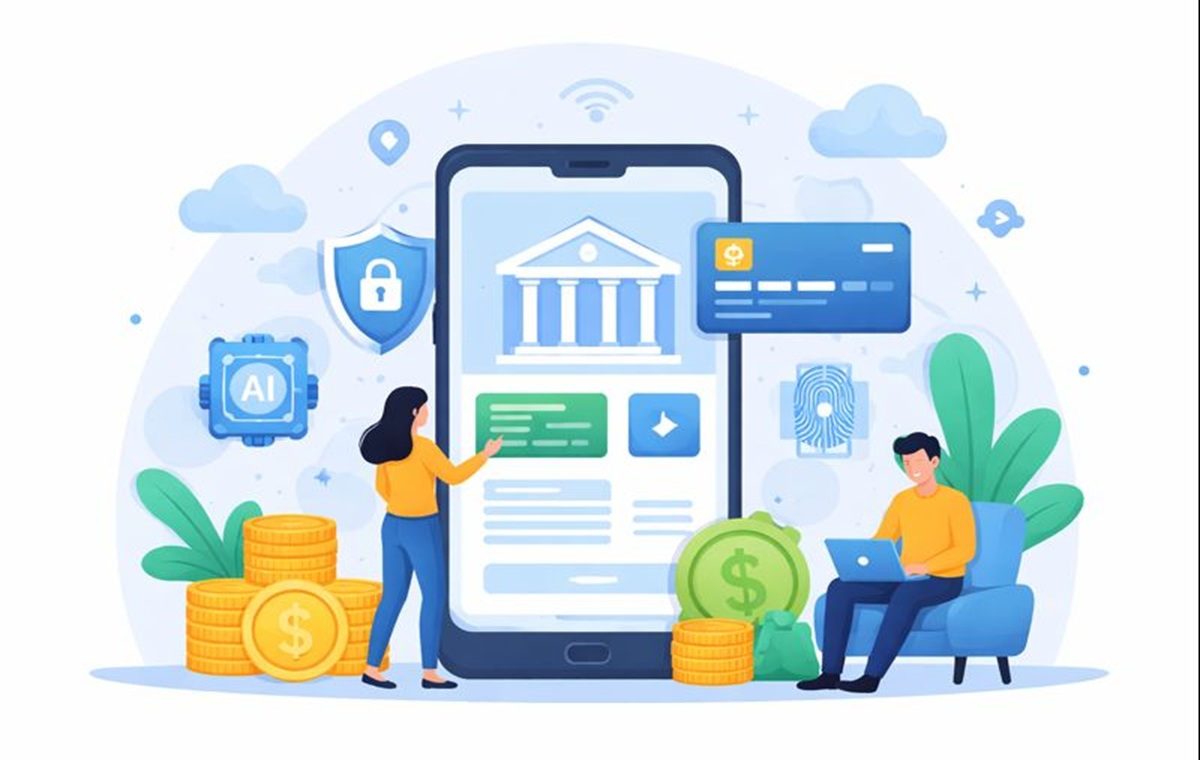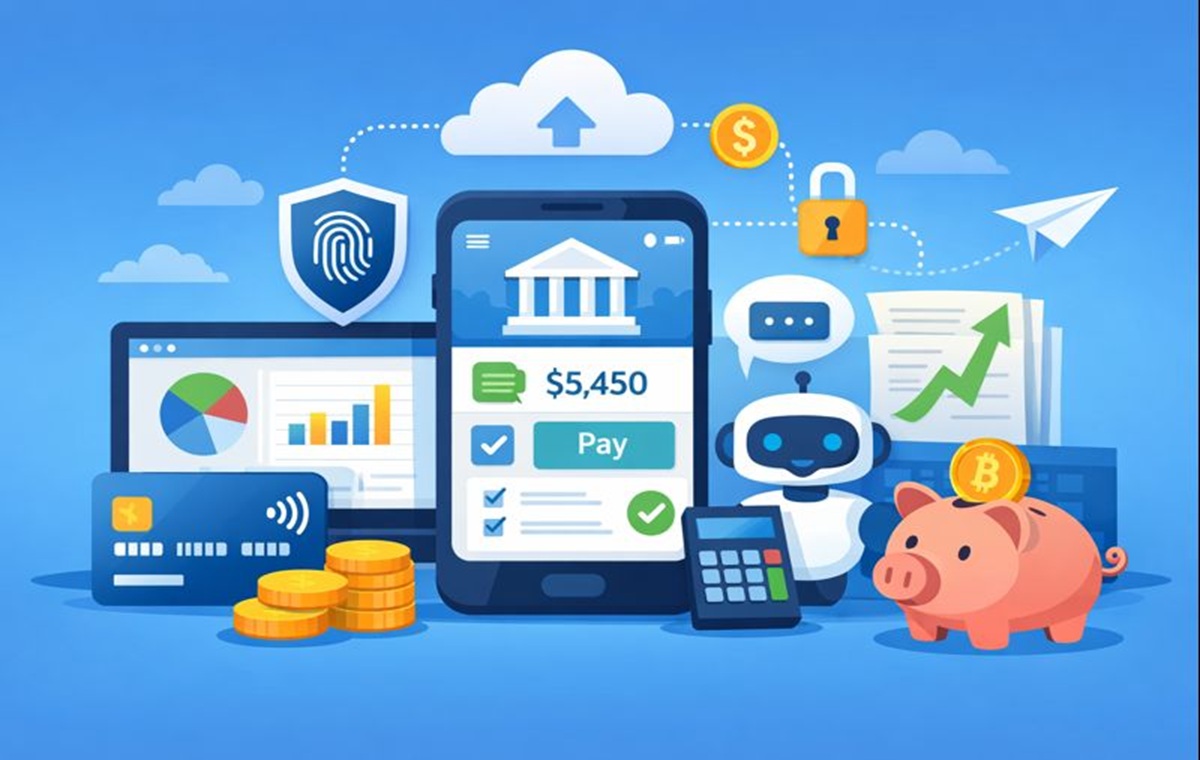
Banking technology is changing the way people manage money. In the past, banking was slow and depended heavily on physical branches. Today, technology has made banking faster, safer, and more convenient. Most people can now access financial services using their mobile phones or computers without visiting a bank.
This article explains what banking technology is and how it is transforming financial services. The language is simple, and the content is easy to understand for beginners.
What Is Banking Technology?
Banking technology refers to the use of digital tools, software, and systems that help banks provide services to customers. It includes mobile banking apps, online banking websites, digital payment systems, automated machines, and secure data systems.
These technologies help banks store information, process transactions, and serve customers more efficiently. Banking technology reduces manual work and improves accuracy.
In simple words, banking technology allows banks and customers to interact using digital platforms instead of paper-based systems.
How Banking Worked Before Technology
Before digital banking, customers had to visit bank branches for almost every task. Opening an account, sending money, or checking balances required physical presence. Paper forms were common, and processing took a long time.
Mistakes were harder to fix, and records were stored manually. Long waiting lines were normal, and banking hours were limited.
This old system was slow and inconvenient, especially for people living far from bank branches.
The Rise of Digital Banking
Digital banking started with the introduction of computers and the internet. Banks began using online systems to manage accounts and transactions. Later, mobile phones and apps made banking even easier.
Today, digital banking allows users to:
- Check balances anytime
- Transfer money instantly
- Pay bills online
- Receive alerts and notifications
- Manage accounts remotely
This shift has changed customer expectations and improved overall banking experiences.
Mobile Banking and Banking Apps
Mobile banking is one of the biggest changes in financial services. Almost every bank now offers a mobile app. These apps allow users to perform most banking tasks from their phones.
Mobile banking apps are user-friendly and available 24/7. Customers can send money, request payments, block cards, and track expenses.
This technology saves time and reduces the need to visit bank branches.
Online Banking Platforms
Online banking platforms are websites that allow customers to access their accounts using a computer or laptop. These platforms provide detailed account information and advanced features.
Users can download statements, apply for services, and manage multiple accounts. Online banking is especially useful for businesses and professionals.
It also reduces paperwork and improves transparency.
Digital Payments and Cashless Transactions
Banking technology has played a major role in promoting cashless payments. Digital payment systems allow users to pay using cards, mobile wallets, or online transfers.
These systems are fast and convenient. People can pay bills, shop online, and send money within seconds.
Digital payments also reduce the risk of carrying cash and improve financial record keeping.
Automated Teller Machines (ATMs)
ATMs were one of the first major banking technologies. They allow customers to withdraw cash, check balances, and perform basic transactions without entering a bank branch.
Modern ATMs are more advanced. Some allow cash deposits, cardless withdrawals, and bill payments.
ATMs continue to support customers, especially in areas with limited digital access.
Artificial Intelligence in Banking
Artificial intelligence, or AI, is becoming an important part of banking technology. Banks use AI to analyze data, detect fraud, and improve customer service.
AI-powered chat systems help answer customer questions quickly. These systems are available all day and reduce waiting time.
AI also helps banks understand customer needs and offer better services.
Banking Security and Fraud Prevention
Security is a major concern in financial services. Banking technology has improved security through encryption, multi-step verification, and monitoring systems.
Banks use secure login methods such as one-time codes, biometric checks, and alerts for unusual activity.
These technologies help protect customer data and prevent unauthorized transactions.
Cloud Technology in Banking
Cloud technology allows banks to store data on secure online servers instead of physical systems. This makes banking systems faster and more flexible.
Cloud systems help banks scale services, reduce costs, and improve system reliability.
They also allow faster updates and better disaster recovery.
How Banking Technology Improves Customer Experience
Banking technology focuses on customer convenience. Faster services, simple interfaces, and easy access improve satisfaction.
Customers can solve issues quickly without visiting branches. Notifications keep users informed about transactions.
Better user experience builds trust and long-term relationships between banks and customers.
Banking Technology and Financial Inclusion
Technology has helped bring banking services to people who were previously unbanked. Mobile banking and digital wallets allow access to financial services without traditional bank branches.
This is especially helpful in rural areas and developing regions. People can save money, receive payments, and manage finances using basic devices.
Financial inclusion supports economic growth and stability.
Role of Banking Technology in Business Finance
Businesses benefit greatly from banking technology. Online payments, automated accounting, and digital loans make operations easier.
Businesses can track expenses, manage payroll, and receive payments faster.
Banking technology helps businesses save time and improve financial planning.
Challenges in Banking Technology
Despite many benefits, banking technology also faces challenges. Cyber threats, system failures, and data privacy concerns require constant attention.
Some users find digital systems difficult to understand. Banks must provide education and support to ensure safe usage.
Continuous improvement and regulation are important for long-term success.
Future of Banking Technology
The future of banking technology looks promising. Innovations such as faster payment systems, smart automation, and improved security will continue to develop.
Banks are focusing on making services more personalized and efficient.
Technology will further reduce costs and improve accessibility for customers worldwide.
How Banking Technology Is Changing Financial Services
Banking technology has transformed financial services by making them faster, safer, and more accessible. Traditional banking is evolving into a digital-first experience.
Customers now expect instant services and simple processes. Banks are adapting by investing in new technologies and improving digital platforms.
This transformation is reshaping the entire financial industry.
Why Banking Technology Matters for Everyday Users
For everyday users, banking technology means convenience and control. People can manage money anytime and anywhere.
It reduces stress, saves time, and improves financial awareness.
Simple digital tools help users make better financial decisions.
Conclusion
Banking technology is a powerful force changing financial services. It has moved banking from physical branches to digital platforms. Mobile apps, online banking, AI, and secure systems are improving how people interact with banks.
These changes benefit both customers and financial institutions. Services are faster, safer, and more accessible than ever before.
As technology continues to grow, banking will become even more user-friendly and efficient. Understanding banking technology helps users stay informed and confident in managing their finances.