Banking has changed a lot in recent years. In the past, people had to visit a bank branch for almost every task. Opening an account, checking balance, or sending money often took time and effort. Today, banking technology has made money management much easier and faster.
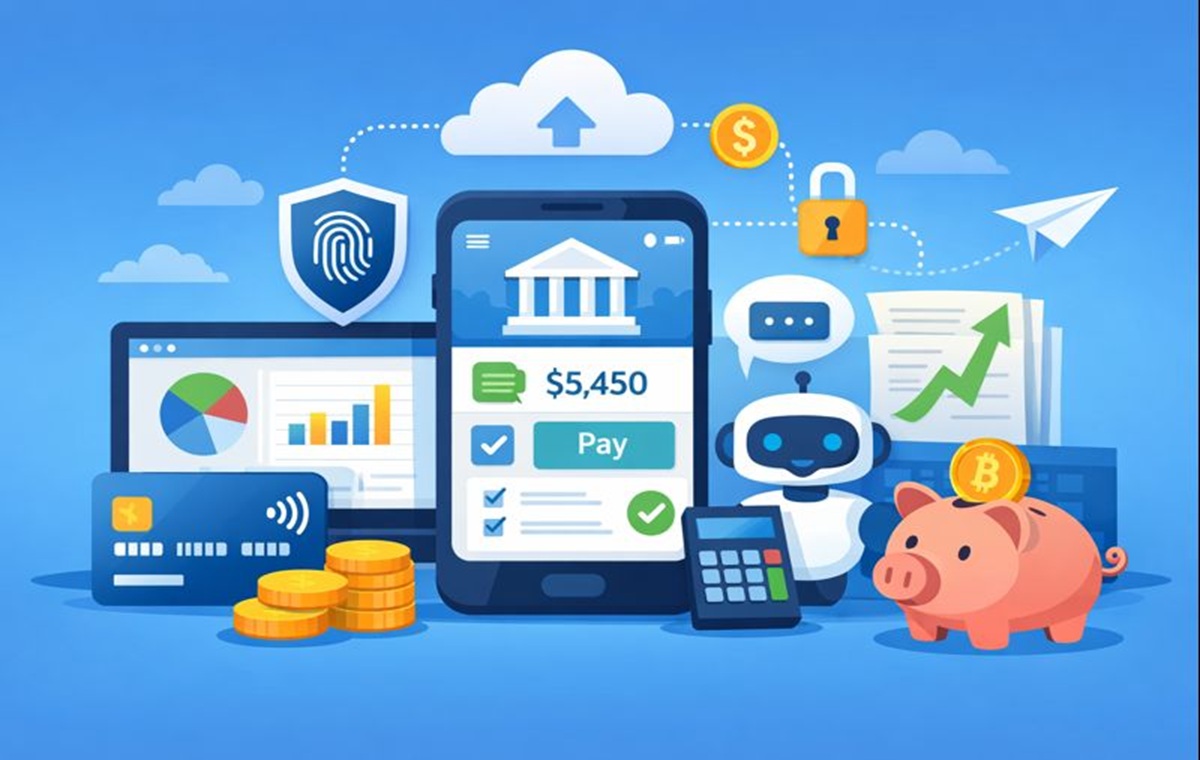
New banking tools help people save time, track spending, and control their finances better. These technologies are designed to be simple, secure, and easy to use for everyone. From mobile apps to smart payment systems, banking tech is improving daily life.
In this article, we will explain the top banking tech trends that are making money management easier. All topics are explained in very easy wording so anyone can understand them.
What Is Banking Technology?
Banking technology refers to digital tools and systems used by banks to provide services. These tools help people manage money online instead of visiting physical branches. Banking tech includes mobile apps, online platforms, payment systems, and security tools.
The main goal of banking technology is to make banking faster, safer, and more convenient. It also helps people understand their finances better and make smarter money decisions.
Mobile Banking Apps
Mobile banking apps are one of the most important banking tech trends today. Almost every bank now offers a mobile app. These apps allow users to manage their money directly from their smartphones.
With a mobile banking app, users can check account balances anytime. They can send money, pay bills, and receive alerts. Many apps also show spending history in a clear way. This helps people understand where their money goes.
Mobile banking apps save time and reduce stress. There is no need to stand in lines or fill out forms. Everything can be done with a few taps on the screen.
Digital Payments and Contactless Payments
Digital payment systems have changed the way people pay for goods and services. Instead of using cash, people now use cards, mobile wallets, or QR codes.
Contactless payments allow users to pay by tapping a card or phone. These payments are fast and simple. They are especially useful for small daily purchases.
Digital payments also help users track spending. Every payment is recorded automatically. This makes it easier to review expenses and plan budgets.
Online Banking Platforms
Online banking platforms allow users to manage their accounts through websites. These platforms are helpful for people who prefer using computers instead of mobile apps.
Through online banking, users can transfer money, download statements, and manage multiple accounts. Many platforms also offer tools to schedule payments and set spending limits.
Online banking gives full control over finances from home. It also provides access to banking services at any time of the day.
Artificial Intelligence in Banking
Artificial intelligence, also known as AI, is playing a growing role in banking. AI helps banks offer smarter and faster services.
One common example is chat support. AI-powered chat systems can answer simple banking questions quickly. They help users check balances, understand transactions, and solve basic issues.
AI also helps in spending analysis. Some banking apps use AI to study spending patterns. They give simple suggestions to help users save money and avoid overspending.
Automated Budgeting Tools
Automated budgeting tools are helping people manage their money better. These tools track income and expenses automatically. They categorize spending into areas like food, bills, and shopping.
Users can see clear charts and summaries of their finances. This makes it easier to understand spending habits. Some tools also send alerts when users spend more than planned.
Automated budgeting reduces manual work. It helps people stay organized without needing complex calculations.
Smart Alerts and Notifications
Smart alerts are an important part of modern banking tech. These alerts inform users about account activity in real time.
Users can receive alerts for low balances, payments, or unusual activity. This helps prevent missed payments and unwanted charges.
Smart alerts improve money control. They also increase safety by informing users about any suspicious actions quickly.
Biometric Security Features
Security is a top priority in banking technology. Biometric security features are making banking safer and easier.
Biometric methods include fingerprint scans and face recognition. These methods replace traditional passwords. They are fast and reduce the risk of unauthorized access.
Using biometric security also improves user experience. Users do not need to remember long passwords. This makes logging in simple and secure.
Cloud-Based Banking Systems
Cloud technology is changing how banks store and manage data. Cloud-based systems allow banks to provide faster and more reliable services.
For users, this means smoother apps and fewer service interruptions. Cloud systems also allow better updates and new features.
Cloud technology helps banks scale services easily. This results in better performance and improved customer experience.
Open Banking Services
Open banking is a system where users can share their banking data with trusted financial apps. This is done with user permission.
Open banking allows users to see all their accounts in one place. It also helps connect banking data with budgeting and financial tools.
This trend gives users more control over their financial information. It also encourages competition and better services.
Digital Account Opening
Opening a bank account is now easier than ever. Many banks allow users to open accounts fully online.
Users can submit documents digitally and complete verification through apps. This process saves time and reduces paperwork.
Digital account opening is especially helpful for new users. It makes banking more accessible and convenient.
Faster Money Transfers
Banking technology has improved the speed of money transfers. Many banks now offer instant or same-day transfers.
Faster transfers help users manage cash flow better. They also reduce delays in receiving or sending money.
This trend is useful for both personal and business users. It improves overall financial efficiency.
Financial Education Tools Inside Banking Apps
Many banks now include educational content in their apps. These tools explain basic financial topics in simple language.
Users can learn about saving, spending, and budgeting. This helps people make better money decisions.
Financial education tools increase awareness and confidence. They support long-term financial health.
How Banking Tech Helps Everyday Users
Banking technology benefits people in many ways. It saves time and effort. It improves money tracking and planning.
Users can manage finances anytime and anywhere. Banking tech also reduces errors and increases security.
These tools help users stay informed and in control. They make financial tasks easier and less stressful.
Things to Keep in Mind When Using Banking Technology
While banking tech is helpful, users should stay careful. It is important to use strong security settings and keep apps updated.
Users should only share information with trusted services. Reading terms and understanding permissions is also important.
Being aware helps users enjoy benefits safely.
The Future of Banking Technology
Banking technology will continue to improve. Future tools will focus more on personalization and simplicity.
Banks will offer smarter insights and better user experience. Technology will make money management even easier for everyone.
As digital tools grow, financial services will become more accessible and efficient.
Conclusion
Banking technology has transformed the way people manage money. From mobile apps to smart security features, these trends are making financial tasks simpler and faster.
Modern banking tools help users track spending, save time, and stay secure. They also improve understanding of personal finances.
By using these technologies wisely, people can manage money better and build stronger financial habits. Banking tech is not just about convenience. It is about empowering users to take control of their financial future.