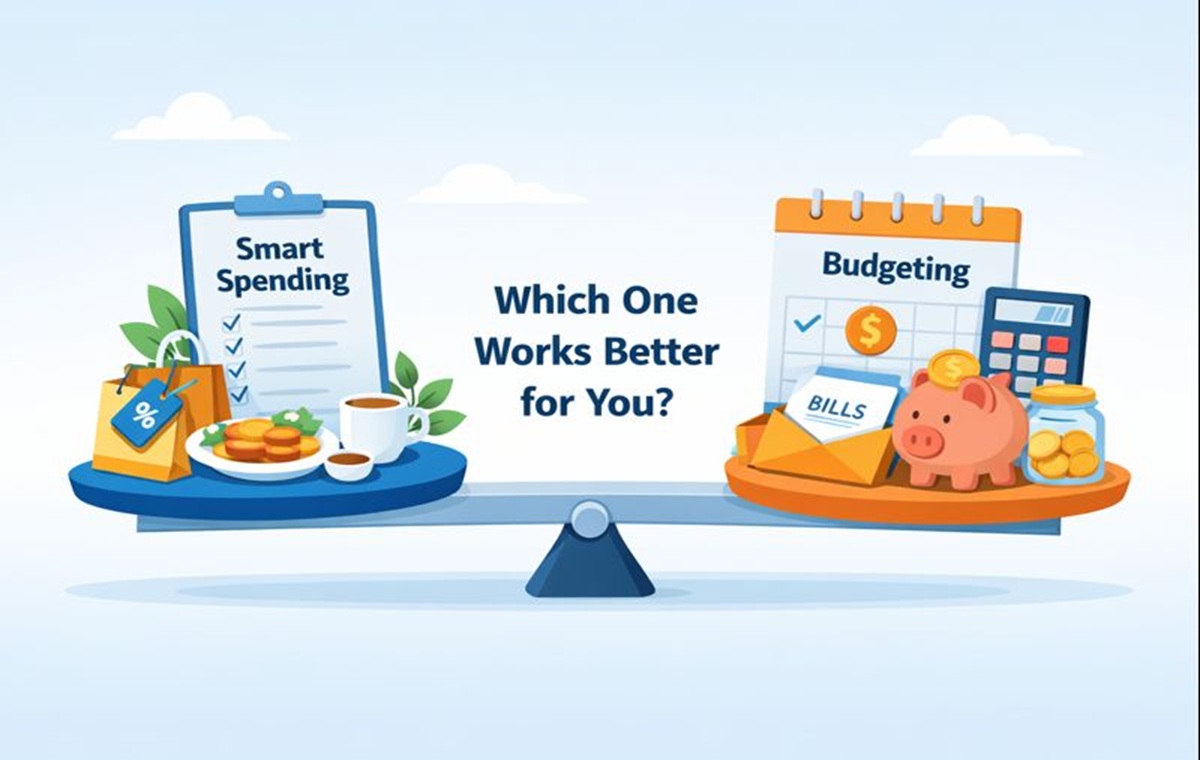
Managing money is not easy for most people. Prices are rising, income feels limited, and expenses never stop. Many people want to save money, but they do not know the right method. Two popular methods are smart spending and budgeting. Both help you control money, but they work in different ways.
In this article, we will explain smart spending and budgeting in simple words. We will compare them clearly. By the end, you will know which one suits your lifestyle and financial goals better.
What Is Smart Spending?
Smart spending means using your money wisely. It focuses on how you spend, not just how much you spend. The goal is to get the most value from every dollar you use.
Smart spending does not mean cutting all fun or living a hard life. It means making thoughtful choices. You spend on things that truly matter and avoid wasteful expenses.
For example, buying quality items that last longer is smart spending. Choosing affordable alternatives without losing quality is also smart spending.
Key Features of Smart Spending
Smart spending has some simple ideas behind it.
First, it focuses on needs over wants. You learn to ask yourself if something is really needed or just desired.
Second, it helps you compare options. You look for better prices, discounts, or better value before buying.
Third, it encourages mindful buying. You think before spending instead of buying impulsively.
Smart spending is flexible. It adjusts with your income and lifestyle.
What Is Budgeting?
Budgeting is a structured plan for your money. It tells you how much you can spend, where to spend, and how much to save.
A budget usually divides your income into categories like rent, food, bills, savings, and entertainment. Each category has a fixed limit.
Budgeting helps you track your money. You can see where your income goes every month.
Many people use monthly budgets to stay in control of expenses.
Key Features of Budgeting
Budgeting works with rules and limits.
First, it sets spending limits. You cannot spend more than what is assigned to a category.
Second, it focuses on tracking. You regularly record your income and expenses.
Third, it helps with financial goals. Budgets often include savings and debt repayment plans.
Budgeting requires discipline and regular review.
Main Difference Between Smart Spending and Budgeting
The main difference is approach.
Smart spending is about decision-making. Budgeting is about planning and tracking.
Smart spending asks, “Is this worth my money?”
Budgeting asks, “Does this fit my budget?”
Smart spending feels more flexible. Budgeting feels more structured.
Both aim to improve financial health, but they work differently.
How Smart Spending Works in Daily Life
Smart spending fits easily into daily life.
For example, instead of eating out daily, you may cook at home more often. But you still enjoy eating out occasionally.
You might choose a phone plan that matches your usage instead of paying extra for unused services.
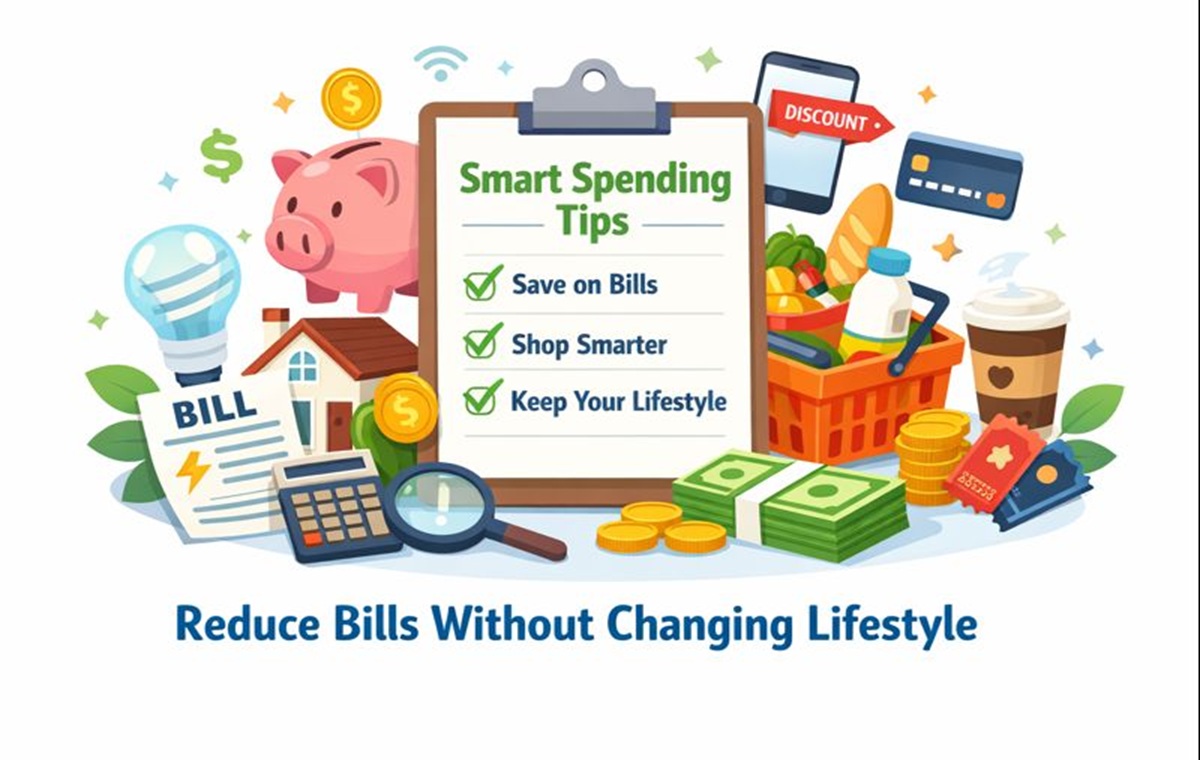
Smart spending helps you reduce unnecessary expenses without feeling restricted.
It works well for people who prefer freedom with guidance.
How Budgeting Works in Daily Life
Budgeting works like a financial roadmap.
You know exactly how much money you have for groceries, transport, and savings.
If your entertainment budget is used, you avoid extra spending.
Budgeting gives clear control but may feel strict to some people.
It works best for people who like structure and clear rules.
Benefits of Smart Spending
Smart spending has many advantages.
It reduces stress because you do not feel controlled by strict limits.
It allows flexibility in unexpected situations.
It helps you enjoy life while still saving money.
Smart spending improves awareness of money habits.
It is easier to maintain for long-term use.
Benefits of Budgeting
Budgeting also has strong benefits.
It gives a clear picture of your finances.
It helps control overspending.
It supports saving and debt reduction goals.
Budgeting builds discipline and consistency.
It is helpful for people with fixed income.
Limitations of Smart Spending
Smart spending is not perfect.
It lacks strict control, so overspending can still happen.
It depends heavily on personal discipline.
Without tracking, some expenses may be missed.
People with debt may need more structure than smart spending alone.
Limitations of Budgeting
Budgeting also has challenges.
It can feel restrictive and stressful.
It requires regular tracking and updates.
Unexpected expenses can break a budget.
Some people stop budgeting because it feels too rigid.
Which One Is Better for Beginners?
For beginners, smart spending is often easier.
It does not require complex tools or spreadsheets.
You can start by making small changes in habits.
Budgeting can be introduced later once spending awareness improves.
Many beginners quit budgeting early because it feels overwhelming.
Smart spending builds confidence first.
Which One Is Better for Saving Money?
Both methods help save money, but in different ways.
Budgeting helps save consistently through planned savings.
Smart spending saves money by reducing waste.
If your spending is out of control, budgeting may help more.
If you already manage money well, smart spending may be enough.
Smart Spending vs Budgeting for Families
Families often face unpredictable expenses.
Smart spending offers flexibility for family needs.
Budgeting helps manage household expenses clearly.
Many families use a mix of both.
They budget for fixed bills and use smart spending for daily purchases.
This balanced approach works well.
Smart Spending vs Budgeting for Single Income Earners
Single income earners need strong control.
Budgeting provides security and planning.
Smart spending helps reduce pressure and improve choices.
Using both together is often the best solution.
Budget for essentials and spend smartly on extras.
Can You Use Smart Spending and Budgeting Together?
Yes, and this is often the best approach.
Use budgeting for fixed expenses like rent and bills.
Use smart spending for flexible expenses like shopping and entertainment.
This creates balance between control and freedom.
It reduces stress while keeping finances healthy.
How to Choose What Works Best for You
Ask yourself a few simple questions.
Do you prefer flexibility or structure?
Do you track expenses regularly or forget easily?
Do you feel stressed by rules or comforted by them?
If you like freedom, choose smart spending.
If you like clear plans, choose budgeting.
If unsure, combine both methods.
Final Thoughts
Smart spending and budgeting are both powerful tools.
There is no single right answer for everyone.
Smart spending focuses on mindful choices and flexibility.
Budgeting focuses on planning and discipline.
Your lifestyle, income, and goals decide what works best.
Start small. Choose what feels comfortable.
The best method is the one you can follow long term.
Managing money is a journey, not a race.
With the right approach, financial stability becomes achievable for everyone.