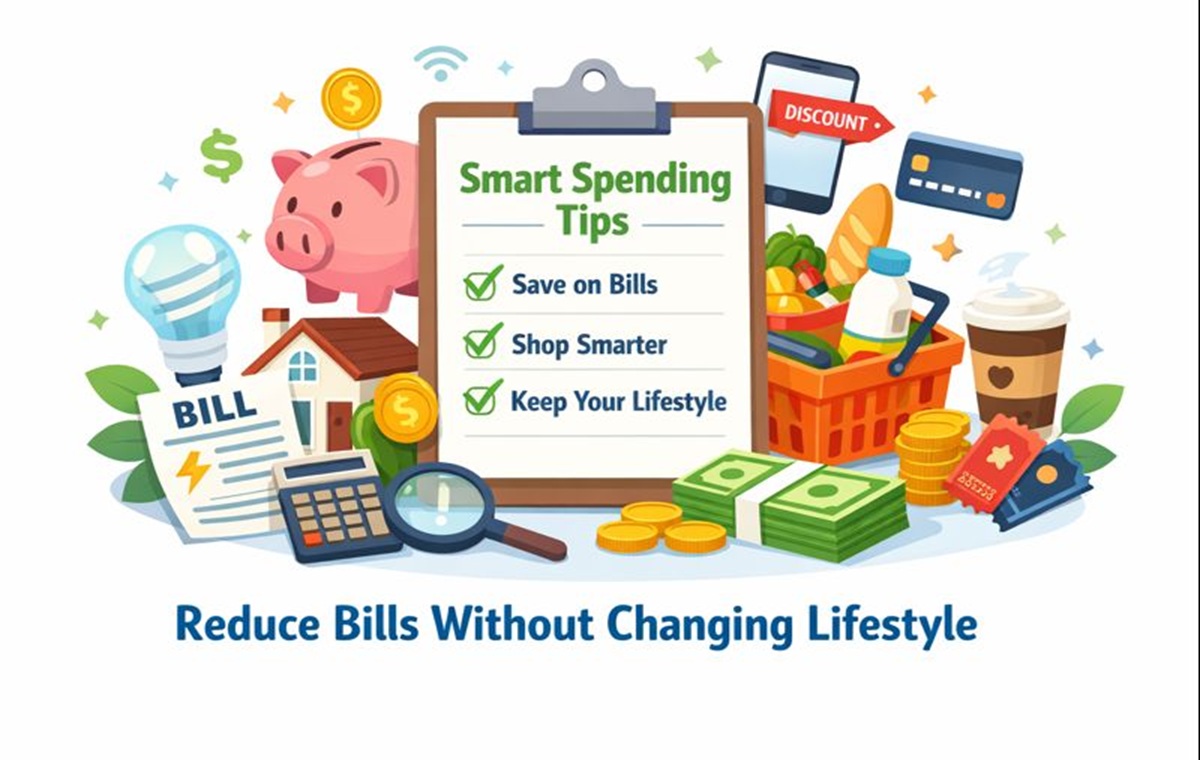
Saving money does not always mean earning more. In many cases, it means spending smarter. Smart spending is about using your money wisely so that it works for you, not against you. When you build good spending habits, you can save money every month without feeling stressed or restricted.
This article explains smart spending habits in very simple words. These habits are easy to follow and suitable for people with any income level. If you apply them slowly and consistently, you will see real financial improvement.
What Is Smart Spending?
Smart spending means making thoughtful choices before you spend money. It does not mean stopping all spending or living a boring life. Instead, it means spending on things that truly matter and reducing waste on things that do not add value.
When you practice smart spending, you control your money instead of letting money control you. This helps you save more, avoid debt, and feel more confident about your finances.
Why Smart Spending Is Important for Monthly Savings
Many people wonder why they never have money left at the end of the month. The reason is often small, unplanned expenses. These small expenses may not look serious, but together they create a big financial problem.
Smart spending helps you:
- Save money every month
- Reduce financial stress
- Avoid unnecessary debt
- Prepare for emergencies
- Build a stable financial future
Track Your Monthly Expenses Carefully
The first smart spending habit is tracking your expenses. You need to know where your money is going.
Write down everything you spend money on. This includes food, transport, bills, online subscriptions, and small daily purchases. You can use a notebook, a mobile app, or a simple spreadsheet.
When you track expenses, you start noticing spending patterns. This awareness helps you identify areas where you can cut unnecessary costs.
Create a Simple Monthly Spending Plan
A spending plan helps you control your money. It shows how much money you earn and how much you can spend.
Your spending plan should include:
- Rent or housing costs
- Food and groceries
- Utility bills
- Transport expenses
- Savings amount
- Personal spending
Keep the plan simple. Do not make it too strict. A flexible plan is easier to follow and helps you stay consistent.
Separate Needs From Wants
One of the most powerful smart spending habits is learning the difference between needs and wants.
Needs are things you must have, such as food, shelter, basic clothing, and electricity. Wants are things you enjoy but can live without, such as expensive gadgets, frequent dining out, or luxury items.
Before buying anything, ask yourself a simple question:
“Do I really need this right now?”
This habit alone can save a lot of money every month.
Avoid Impulse Buying
Impulse buying happens when you buy something without planning. This usually happens during sales, online shopping, or emotional moments.
To avoid impulse buying:
- Wait 24 hours before making big purchases
- Do not shop when you feel stressed or bored
- Unsubscribe from promotional emails
- Avoid unnecessary shopping apps
Giving yourself time helps you decide if the purchase is truly worth it.
Use Cash or Debit Instead of Credit
Using credit cards can make spending feel easy and painless. This often leads to overspending.
When possible, use cash or debit cards. This makes you more aware of how much money you are spending. You see your balance reduce, which helps you stay careful.
If you use credit cards, pay the full balance every month to avoid interest and debt.
Set Monthly Saving Goals
Saving money becomes easier when you have a clear goal. Your goal can be small or big.
Examples of saving goals include:
- Emergency fund
- Vacation savings
- Education expenses
- Home purchase
- Retirement planning
When you know why you are saving, you feel more motivated to spend wisely.
Automate Your Savings
Automation is a smart way to save money without effort. Set up an automatic transfer from your main account to your savings account every month.
This way, saving becomes a habit. You save money before you get the chance to spend it.
Even small amounts saved regularly can grow into a large sum over time.
Reduce Monthly Bills Where Possible
Monthly bills take a large part of your income. Reducing them can free up extra money.
You can reduce bills by:
- Using energy-efficient appliances
- Turning off unused lights and devices
- Reviewing internet and phone plans
- Canceling unused subscriptions
Small changes in daily habits can lower your bills significantly.
Plan Your Grocery Shopping
Grocery spending often goes out of control without planning.
Before shopping:
- Make a shopping list
- Stick to the list
- Avoid shopping when hungry
- Compare prices
Cooking at home more often also saves money and improves health. Planning meals in advance reduces food waste and unnecessary spending.
Limit Eating Out and Online Food Orders
Eating out frequently can cost a lot over time. While occasional dining is fine, daily orders can harm your budget.
Try to:
- Set a monthly limit for eating out
- Prepare simple meals at home
- Pack lunch when possible
These small changes can save a surprising amount of money every month.
Compare Prices Before Buying
Never buy the first product you see. Prices can vary between stores and platforms.
Before buying:
- Compare prices online
- Look for discounts or offers
- Check reviews for value
Smart comparison helps you get the best quality for your money.
Avoid Lifestyle Inflation
Lifestyle inflation happens when your spending increases as your income increases. This stops you from saving more even when you earn more.
When your income grows:
- Increase savings first
- Avoid unnecessary upgrades
- Maintain simple habits
This habit helps you build wealth faster without sacrificing comfort.
Build an Emergency Fund
Unexpected expenses can ruin your monthly budget. An emergency fund protects you in such situations.
Try to save at least three to six months of basic expenses. This fund helps you avoid borrowing money during emergencies.
Having an emergency fund gives peace of mind and financial security.
Review Your Spending Every Month
At the end of each month, review your spending. Compare it with your plan.
Ask yourself:
- Where did I overspend?
- Where did I save money?
- What can I improve next month?
Regular review helps you stay focused and improve over time.
Stay Patient and Consistent
Smart spending is not about perfection. It is about progress.
Do not feel discouraged if you make mistakes. Focus on building habits slowly. Small changes done consistently bring long-term results.
Over time, smart spending becomes a natural part of your life.
Final Thoughts
Smart spending habits help you save money every month without stress. You do not need to earn a high income to manage money well. You only need awareness, planning, and discipline.
By tracking expenses, avoiding unnecessary spending, and setting clear goals, you can improve your financial life step by step. These habits help you feel more confident, secure, and in control of your money.
Start small, stay consistent, and enjoy the benefits of smart spending.