If you’ve ever applied for a loan, a credit card, or even a new apartment, your credit score probably played a role in the decision. A good credit score can open doors, while a low score can close them. But the good news is—you can improve your score using simple credit management tips. Let’s dive in and learn how!
What is a Credit Score?
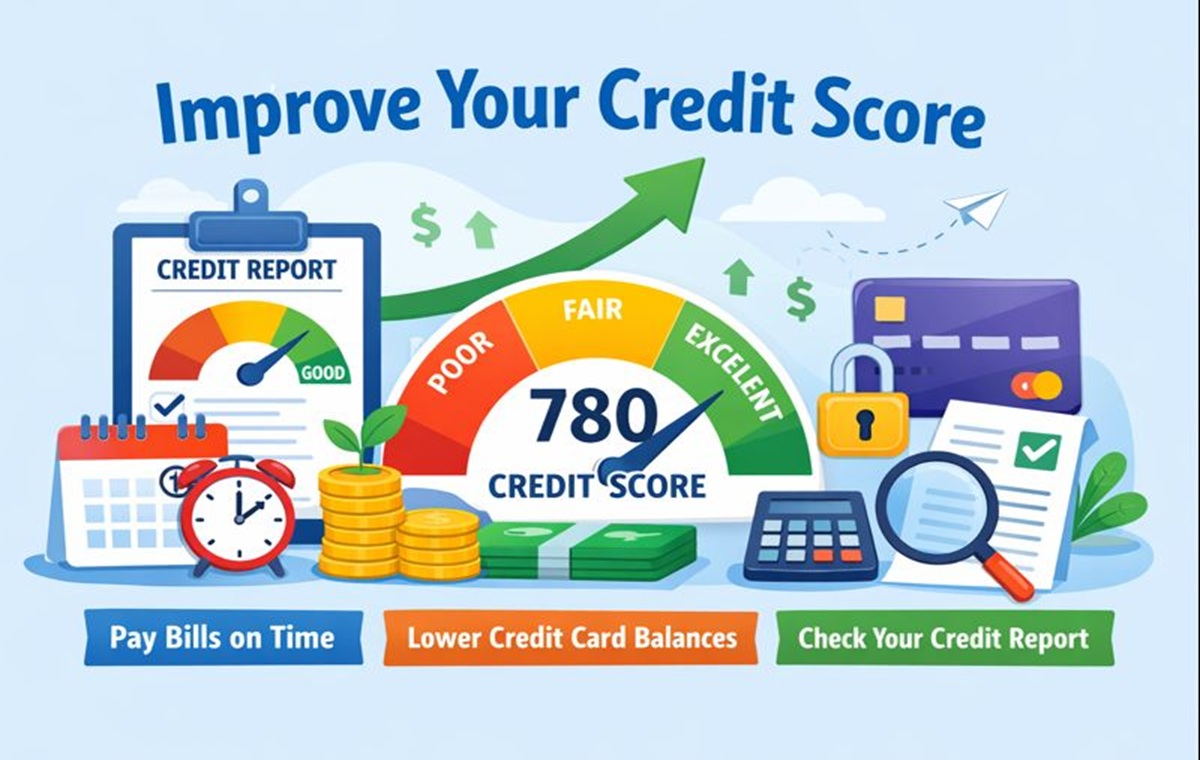
Your credit score is a three-digit number that shows how good you are at handling borrowed money. It helps lenders figure out how risky it might be to lend you money. The score usually ranges from 300 to 850. The higher the number, the better your credit.
Why is Your Credit Score Important?
Your credit score affects many parts of your life. It can influence:
- Whether you get approved for a loan or credit card
- The interest rates you’ll pay
- Your ability to rent a home
- Even your chances of getting a job in some cases
Having a high credit score can save you a lot of money and stress.
How Credit Scores Are Calculated
Let’s break it down into the key parts that make up your credit score:
Payment History
This is the most important factor. It makes up about 35% of your score. Lenders want to see if you pay your bills on time.
Credit Utilization
This makes up about 30%. It looks at how much of your available credit you’re using. Keeping your balances low helps.
Length of Credit History
This is around 15% of your score. The longer your credit history, the better.
Types of Credit
About 10% of your score comes from the mix of credit you have (credit cards, loans, mortgages).
New Credit Inquiries
Applying for too much credit in a short time can lower your score. This makes up about 10% of your score.
Simple Credit Management Tips to Improve Your Score
Now that you know what goes into your score, let’s talk about easy ways to improve it.
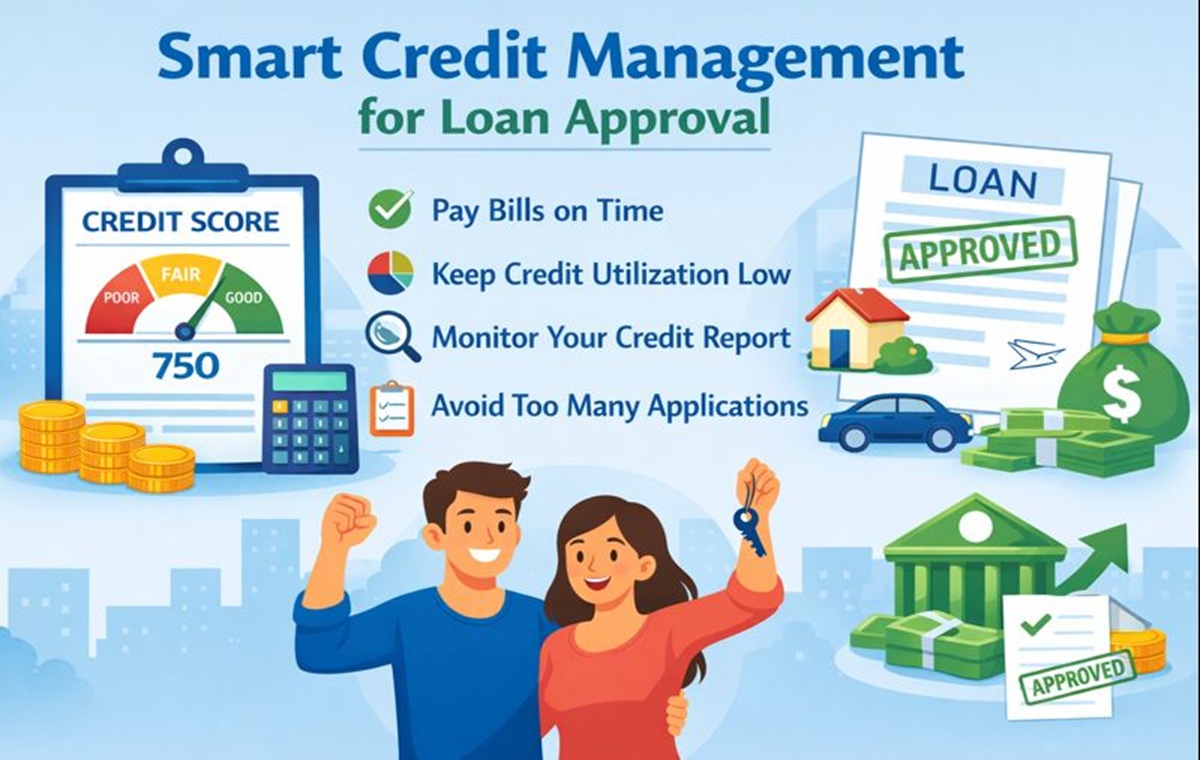
Always Pay Your Bills on Time
Late payments hurt your credit score more than you think. Set reminders or use auto-pay so you never miss a due date.
Keep Your Credit Card Balances Low
Try to use less than 30% of your total credit limit. For example, if your card limit is $1,000, keep your balance under $300.
Don’t Close Old Credit Cards
Your credit history length matters. Closing old accounts can shorten it, so keep them open (especially if they’re in good standing).
Avoid Applying for Too Much Credit at Once
Each time you apply for credit, it adds a “hard inquiry” to your report. Too many of these can hurt your score.
Regularly Check Your Credit Report
Mistakes happen! Check your credit report at least once a year. You can get a free copy from AnnualCreditReport.com.
Dispute Errors on Your Credit Report
If you find something wrong, report it right away. Fixing errors can boost your score quickly.
Habits That Hurt Your Credit Score
Knowing what not to do is just as important as knowing what to do.
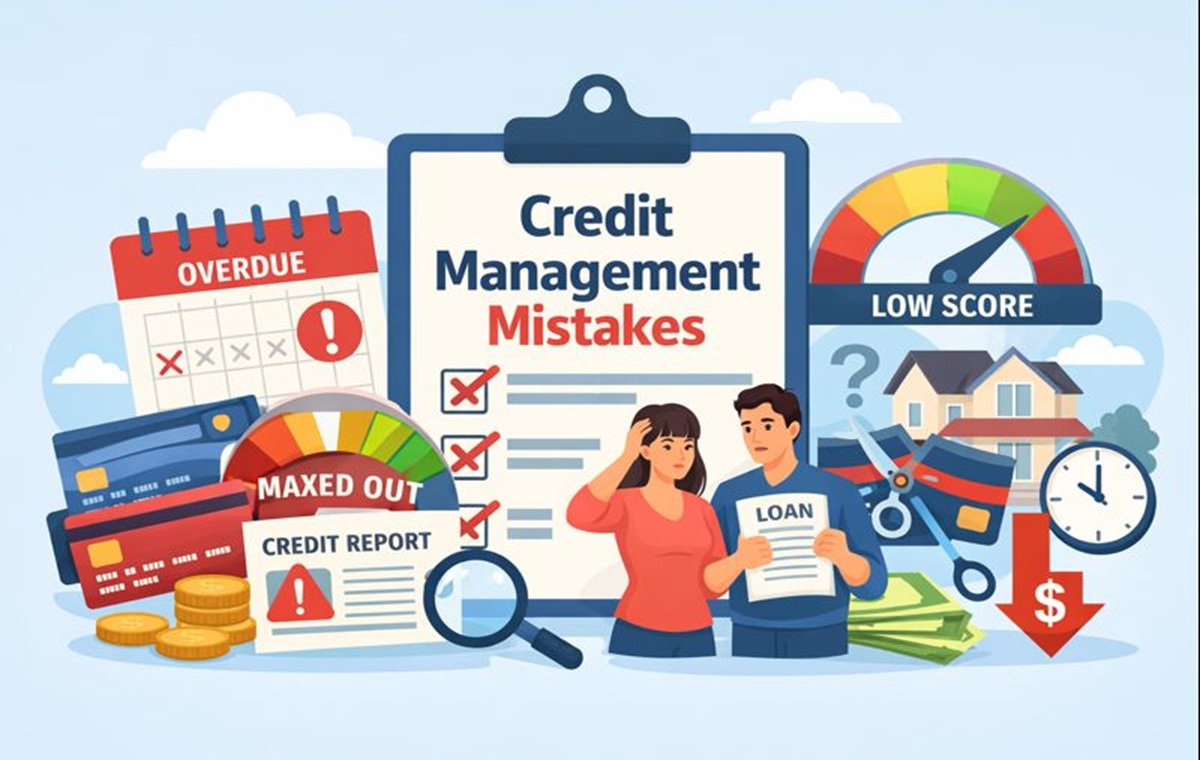
Missing Payments
Missing just one payment can lower your score. More missed payments? Even worse.
Maxing Out Credit Cards
Using all your available credit makes you look risky to lenders. Keep those balances low.
Ignoring Credit Report Mistakes
If you don’t fix errors on your credit report, they can damage your score for years.
Tools That Can Help You Manage Credit
You don’t have to do it alone. Here are some helpful tools:
Budgeting Apps
Apps like Mint or YNAB help track your spending so you don’t fall behind on bills.
Free Credit Monitoring Services
Websites like Credit Karma or Credit Sesame show your score and alert you to changes.
Credit Score Simulators
These tools show how different actions (like paying off debt) could affect your score.
How Long Does It Take to Improve Your Credit Score?
Improving your credit score isn’t instant. Small changes can take a few weeks to reflect, but big improvements may take months. The key is to be patient and consistent.
For example:
- Disputing an error might help your score in 30 days
- Paying down debt could show improvement in 1–2 months
- Building a long credit history takes years
The sooner you start, the sooner you’ll see results.
Conclusion
Improving your credit score doesn’t have to be hard or complicated. By understanding how credit works and using simple tips—like paying bills on time, keeping balances low, and checking your credit reports—you can take control of your financial future. Remember, building credit is a journey, not a race. Start with small steps, and you’ll get there.
FAQs
1. How often should I check my credit score?
It’s a good idea to check it at least once a month using free credit monitoring tools.
2. Will checking my own credit score lower it?
No. Checking your own credit is considered a “soft inquiry” and does not affect your score.
3. What is a good credit score?
A score above 700 is generally considered good. Over 750 is excellent.
4. Can I improve my credit score if I’ve declared bankruptcy?
Yes, but it takes time. Start by making on-time payments and rebuilding your credit slowly.
5. Do utility bills affect my credit score?
Not usually—unless you miss payments and the account goes to collections.