Financial stability is something many people want, but not everyone knows how to achieve it. Some people think they need a high salary or big investments to feel secure. In reality, smart spending plays a very important role in building financial stability. It is not about stopping all spending. It is about spending money in a planned and thoughtful way.
This article explains what smart spending is, why it matters, and how it can help you stay financially stable in the long run. The language is simple, and the ideas are practical, so anyone can understand and apply them.
What Is Smart Spending?
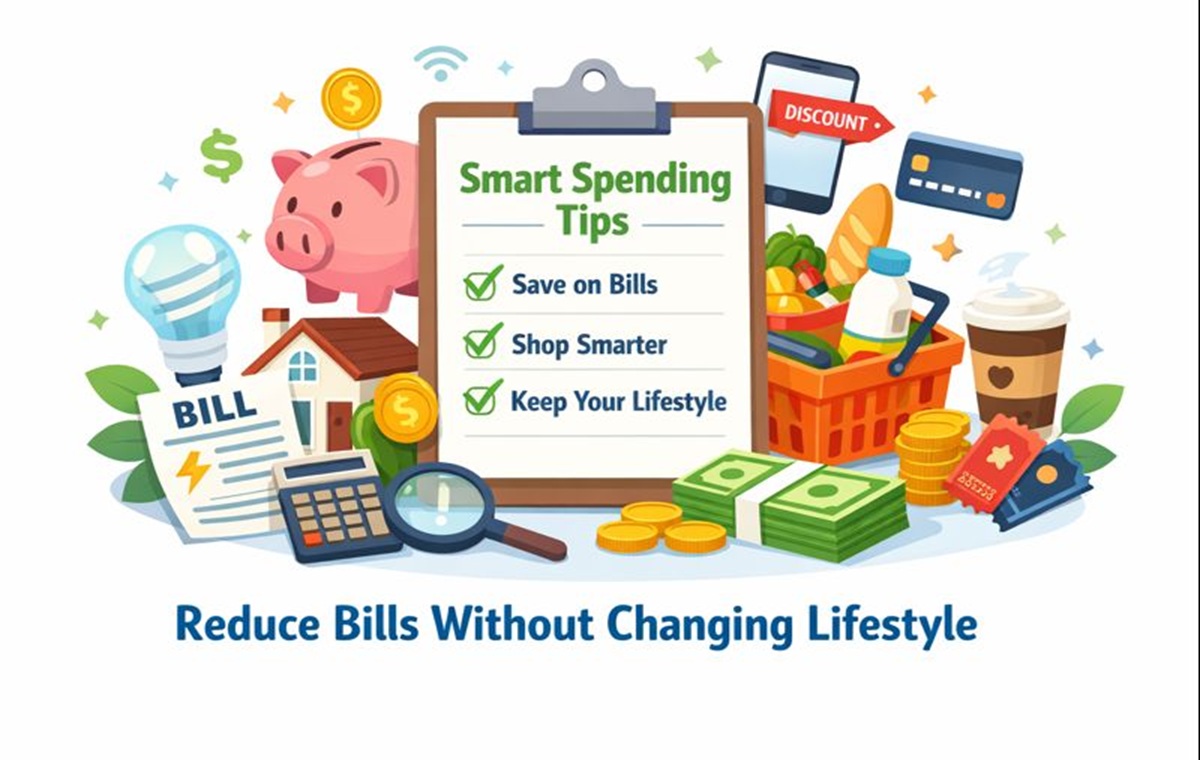
Smart spending means using your money wisely. It is about knowing where your money goes, why you are spending, and whether that spending is really needed. Smart spending does not mean being cheap. It means making better choices with the money you already have.
For example, buying quality products that last longer is smart spending. Avoiding impulse purchases is also smart spending. The goal is to get the best value from every amount you spend.
When you practice smart spending, your money works better for you. This leads to less stress and more control over your finances.
Understanding Financial Stability
Financial stability means having enough control over your money to manage daily expenses, handle emergencies, and plan for the future. A financially stable person does not panic when an unexpected expense comes up.
Financial stability includes:
- Paying bills on time
- Having some savings
- Avoiding unnecessary debt
- Feeling confident about money decisions
Smart spending supports all these points. When you spend wisely, you naturally build stability over time.
Why Smart Spending Is Important for Everyone
Many people believe smart spending is only for those with low income. This is not true. Even people with high income can face financial problems if they spend carelessly.
Smart spending is important because:
- Income is not always stable
- Expenses can suddenly increase
- Life events are unpredictable
By spending smartly, you prepare yourself for both good and bad times. This habit helps protect your financial future.
How Smart Spending Reduces Financial Stress
Money stress is very common. It often comes from not knowing whether you will have enough money at the end of the month. Smart spending helps reduce this stress.
When you plan your spending:
- You avoid last-minute money problems
- You feel more in control
- You worry less about bills
Even small changes, like tracking daily expenses, can bring peace of mind. Knowing where your money goes makes a big difference.
Smart Spending Helps You Live Within Your Means
Living within your means means spending less than or equal to what you earn. This is a key part of financial stability.
Smart spending helps by:
- Identifying unnecessary expenses
- Setting spending limits
- Prioritizing important needs
When you live within your means, you avoid borrowing money for daily needs. This protects you from debt problems and keeps your finances healthy.
The Role of Budgeting in Smart Spending
Budgeting is a strong tool for smart spending. A budget shows how much money you earn and how much you spend.
A simple budget includes:
- Income
- Fixed expenses (rent, bills)
- Variable expenses (food, transport)
- Savings
Budgeting does not limit freedom. Instead, it gives clarity. When you know your budget, you can spend confidently without guilt.
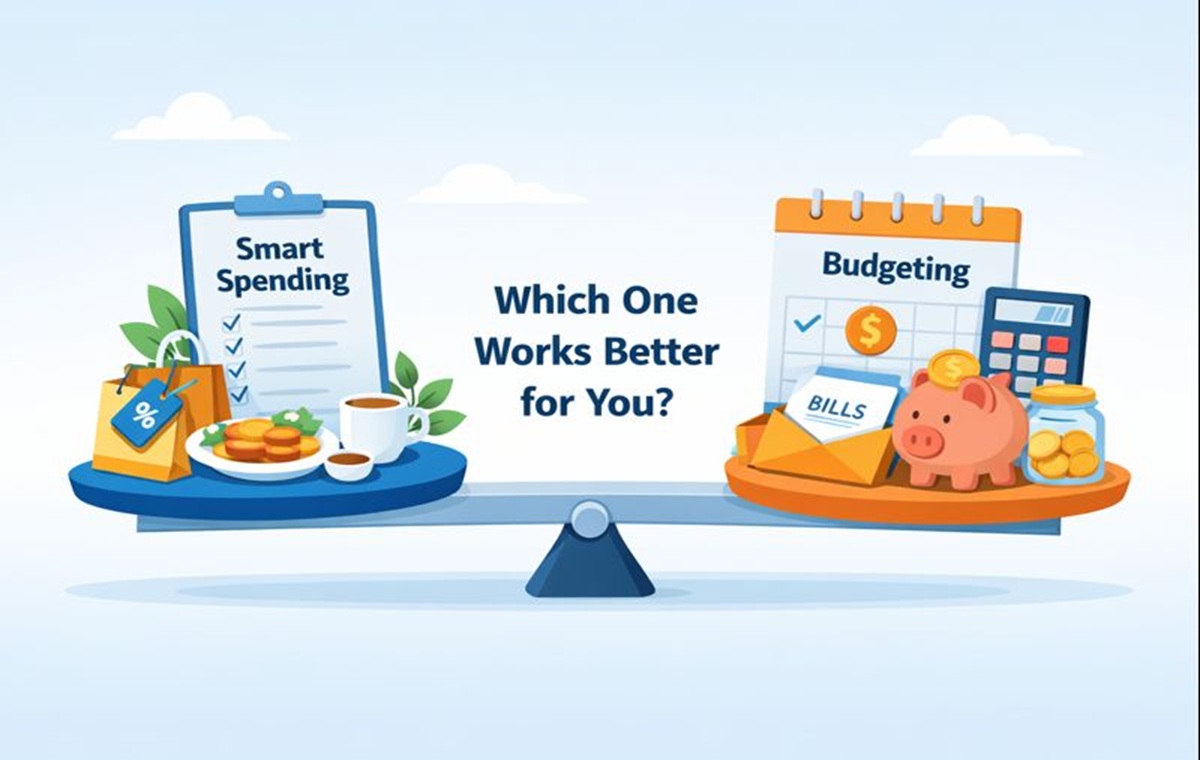
Smart Spending vs Cutting Expenses
Some people confuse smart spending with cutting expenses. These are not the same.
Cutting expenses means reducing spending without thinking much. Smart spending means spending better, not just less.
For example:
- Buying cheaper but poor-quality items is not smart
- Buying fewer but useful items is smart
Smart spending focuses on value, not just price. This approach improves financial stability without lowering quality of life.
How Smart Spending Improves Savings
Saving money becomes easier when you spend smartly. When you avoid wasteful spending, you naturally have extra money left.
Smart spending helps savings by:
- Reducing impulse buying
- Encouraging planned purchases
- Making room for emergency funds
Even small monthly savings can grow over time. Smart spending creates a habit that supports long-term savings goals.
Smart Spending and Emergency Preparedness
Emergencies can happen anytime. Medical bills, repairs, or job changes can create financial pressure.
Smart spending helps you prepare by:
- Allowing you to build an emergency fund
- Preventing reliance on credit
- Reducing panic during emergencies
When you are prepared, emergencies do not destroy your financial balance. This is a big sign of financial stability.
Avoiding Debt Through Smart Spending
Debt often comes from poor spending habits. Buying things without planning or using credit for daily expenses can lead to serious problems.
Smart spending helps avoid debt by:
- Encouraging cash-based decisions
- Limiting credit use
- Reducing unnecessary purchases
When debt is under control, your income becomes more powerful. You can use your money for growth instead of repayments.
Smart Spending Improves Long-Term Financial Planning
Financial stability is not only about today. It is also about the future. Smart spending supports long-term planning.
With smart spending:
- You can plan for retirement
- You can invest slowly and safely
- You can support future family needs
Long-term planning becomes easier when daily spending is under control.
The Impact of Smart Spending on Lifestyle
Smart spending does not mean a boring life. It means a balanced life.
When you spend smartly:
- You enjoy things without guilt
- You avoid regret after purchases
- You feel confident about money choices
This balance improves your overall lifestyle and happiness.
Smart Spending in Daily Life
Smart spending can be applied every day. Small actions matter a lot.
Examples include:
- Making shopping lists
- Comparing prices
- Avoiding emotional spending
- Waiting before big purchases
These habits may seem small, but together they build strong financial stability.
How Smart Spending Builds Financial Discipline
Discipline is important for money success. Smart spending builds discipline naturally.
Over time, you learn:
- To delay unnecessary purchases
- To think before spending
- To respect your financial goals
This discipline helps you stay stable even when income or expenses change.
Smart Spending and Financial Confidence
When your spending is under control, confidence grows. You trust your decisions and feel secure about the future.
Financial confidence means:
- Making decisions without fear
- Handling challenges calmly
- Planning with clarity
Smart spending is one of the strongest ways to build this confidence.
Common Mistakes That Stop Smart Spending
Some habits can block smart spending progress.
Common mistakes include:
- Ignoring small expenses
- Not tracking spending
- Buying to impress others
- Using credit without planning
Being aware of these mistakes helps you avoid them and stay on track.
How to Start Smart Spending Today
You do not need to change everything at once. Start small.
Simple steps include:
- Track spending for one week
- Identify one unnecessary expense
- Set one small saving goal
- Review purchases before buying
These steps create momentum and lead to better financial stability.
Smart Spending Is a Long-Term Habit
Smart spending is not a one-time action. It is a habit that grows with time.
The more you practice:
- The easier it becomes
- The more stable your finances feel
- The stronger your money decisions get
Consistency matters more than perfection.
Final Thoughts
Smart spending is one of the most powerful tools for improving financial stability. It does not require high income or complex strategies. It only requires awareness, planning, and discipline.
By spending wisely, you reduce stress, increase savings, avoid debt, and prepare for the future. Over time, these benefits create a strong and stable financial life.
Financial stability is not built overnight. But with smart spending, every small step moves you closer to a secure and confident financial future.