Getting a loan approved can sometimes feel like a mystery, especially when you think you’ve done everything right but still get rejected. Here’s the truth: it often comes down to how you manage your credit. Smart credit management isn’t just about paying your bills—it’s a strategy that can make or break your chances of getting approved for loans.
This article will explain how managing your credit smartly can open doors to financial opportunities and help you get that “approved” stamp on your loan applications.
What is Credit Management?
Simply put, credit management is how you handle the money you borrow. It includes how you use your credit cards, how you repay loans, and how responsibly you deal with debt overall.
Why Credit Matters
Lenders use your credit history to decide if you’re a safe bet. If you’ve managed credit well in the past, they’re more likely to trust you with their money in the future.
How Lenders View Your Credit Profile
Lenders don’t just randomly approve or reject applications. They go by numbers, history, and patterns.
Key Credit Factors Lenders Look At
- Credit Score: This is a number between 300 and 850. The higher it is, the better.
- Payment History: Have you paid on time?
- Credit Utilization: How much of your available credit are you using?
- Credit Mix: Do you have different types of credit like credit cards, car loans, or mortgages?
- Length of Credit History: How long have you been using credit?
- New Credit: Have you applied for too many loans or cards recently?
Smart Credit Management: What Does It Mean?
Let’s break down what smart credit management actually involves. These are the habits that help build a solid credit profile.
Paying Bills on Time
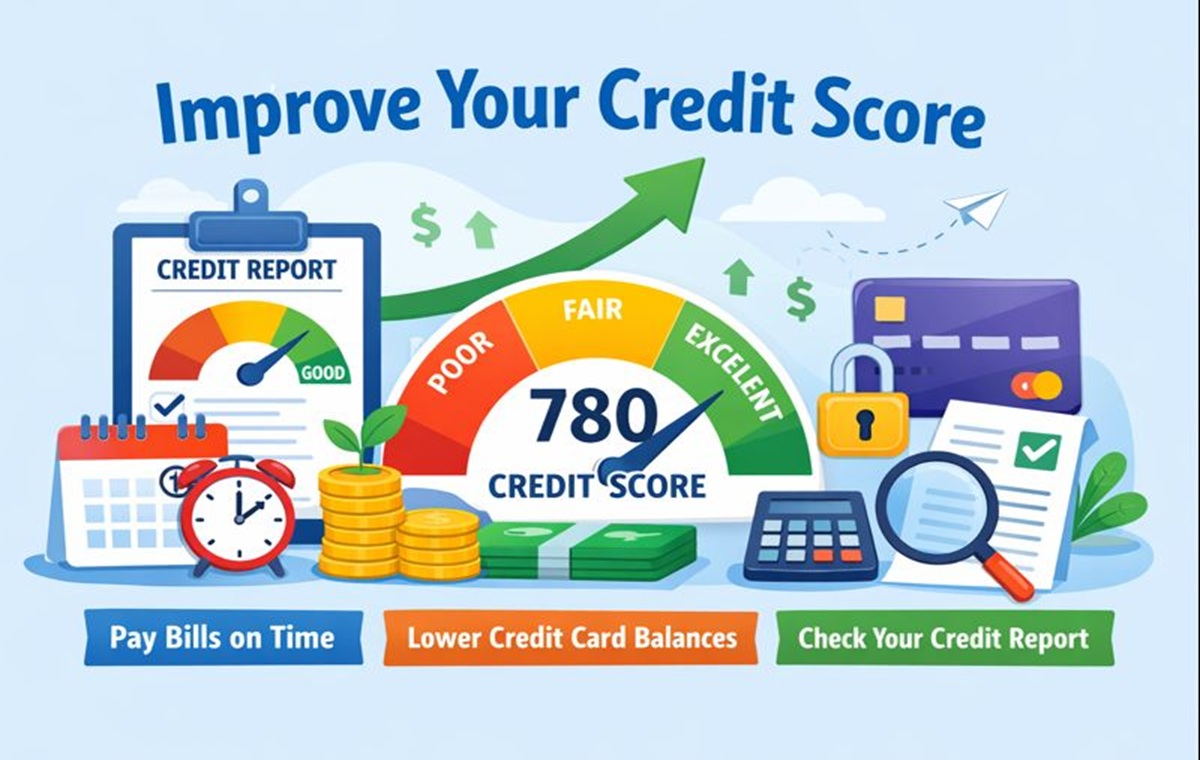
This is the golden rule. Late payments can hurt your credit score quickly. Set reminders or automate your payments to never miss a due date.
Keeping Credit Utilization Low
Try to use less than 30% of your credit limit. For example, if your card limit is $1,000, keep your balance below $300. This shows you’re not relying too heavily on borrowed money.
Avoiding Too Many Loan Applications
Every time you apply for credit, a hard inquiry is made on your report. Too many in a short time can make you look desperate for money.
Monitoring Your Credit Report
Check your report regularly. You can get one free report a year from each of the three major credit bureaus (Experian, Equifax, and TransUnion). Look for errors and fix them quickly.
The Link Between Smart Credit Habits and Loan Approval
Let’s talk about how all this actually affects your loan applications.
Boosts Your Credit Score
Smart credit habits raise your score. And a higher score usually means better loan terms, lower interest rates, and a higher chance of approval.
Builds Trust with Lenders
When lenders see a clean, consistent credit history, they feel more confident you’ll repay them. It’s all about building trust.
Increases Your Loan Options
With good credit, you’re not stuck with just one lender. You can shop around for the best loan offers.
Real-Life Example: Sarah’s Loan Journey
Sarah needed a personal loan for home repairs. But her credit score was just average. She started paying bills on time, paid down her credit card balances, and stopped applying for new credit for six months.
When she applied again, her score had improved significantly—and she got approved with a better interest rate. Smart credit management worked.
Common Mistakes That Hurt Creditworthiness
Even small mistakes can have a big impact. Here are a few to watch out for.
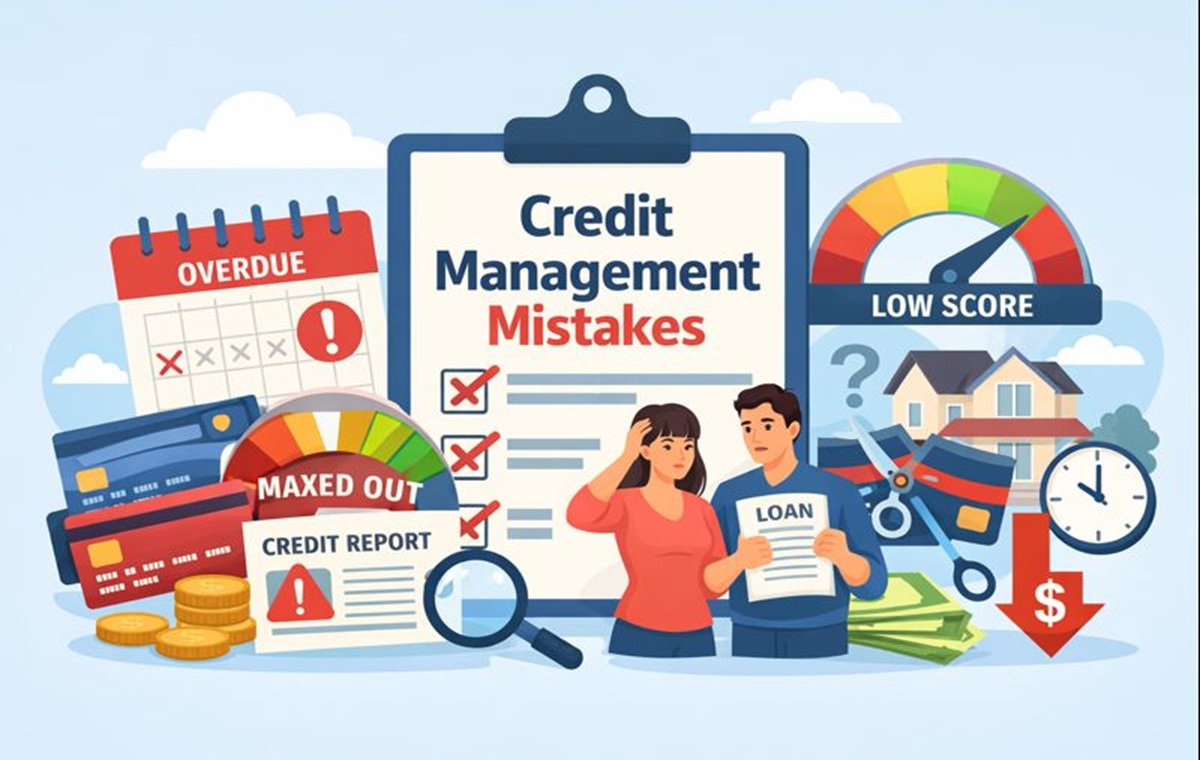
Maxing Out Credit Cards
Using your full credit limit makes lenders nervous. It looks like you’re struggling with money.
Ignoring Credit Report Errors
Sometimes, wrong information ends up on your credit report. If you don’t check, you won’t know—and it could cost you a loan.
Missing Due Dates Repeatedly
One or two late payments might not ruin everything, but regular delays can do serious harm to your score.
Tips to Improve Your Credit Health
Want to make your credit look great to lenders? Try these easy steps.
Automate Payments
Set up auto-pay for all your bills to avoid missing due dates. It’s a small step that can make a big difference.
Keep Old Accounts Open
The longer your credit history, the better. Don’t close your oldest credit card unless you have to.
Use a Mix of Credit Types
Having different types of credit—like a credit card and a car loan—shows lenders you can handle various types of debt responsibly.
How Long Does It Take to Improve Credit?
There’s no magic fix. Improving credit takes time. If you follow smart habits, you might start seeing changes in as little as 3 to 6 months, but major improvements can take a year or more. The key is to be consistent.
Conclusion
Smart credit management isn’t just for financial experts—it’s for anyone who wants better control over their money and future. By being consistent, paying bills on time, keeping balances low, and monitoring your credit report, you can build a credit profile that makes lenders say “yes.”
If you’re dreaming of owning a home, buying a car, or starting a business, managing your credit the smart way is your first step. Start today—your future self will thank you.
FAQs
1. How can I check my credit score for free?
You can check your score through online platforms like Credit Karma, or directly from credit bureaus. Some banks and credit card companies also offer it for free.
2. Will checking my credit score hurt it?
No. This is called a “soft inquiry” and it doesn’t impact your score. Only “hard inquiries,” like applying for a loan, can affect your credit.
3. How much should I use on my credit card each month?
Ideally, keep it below 30% of your credit limit. This helps maintain a healthy credit utilization ratio.
4. How long do negative items stay on my credit report?
Most negative marks, like late payments or defaults, stay on your report for 7 years.
5. Can I get approved for a loan with bad credit?
Yes, but it may come with higher interest rates and fewer options. Improving your credit can help you qualify for better deals.