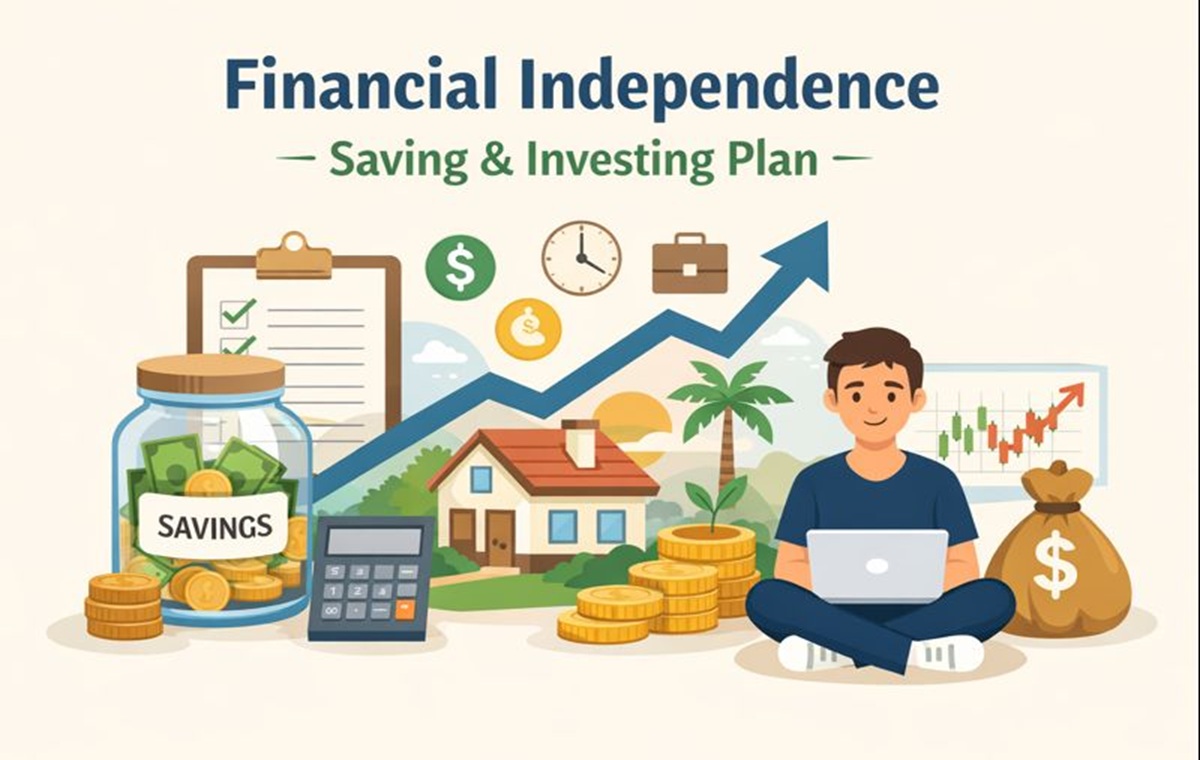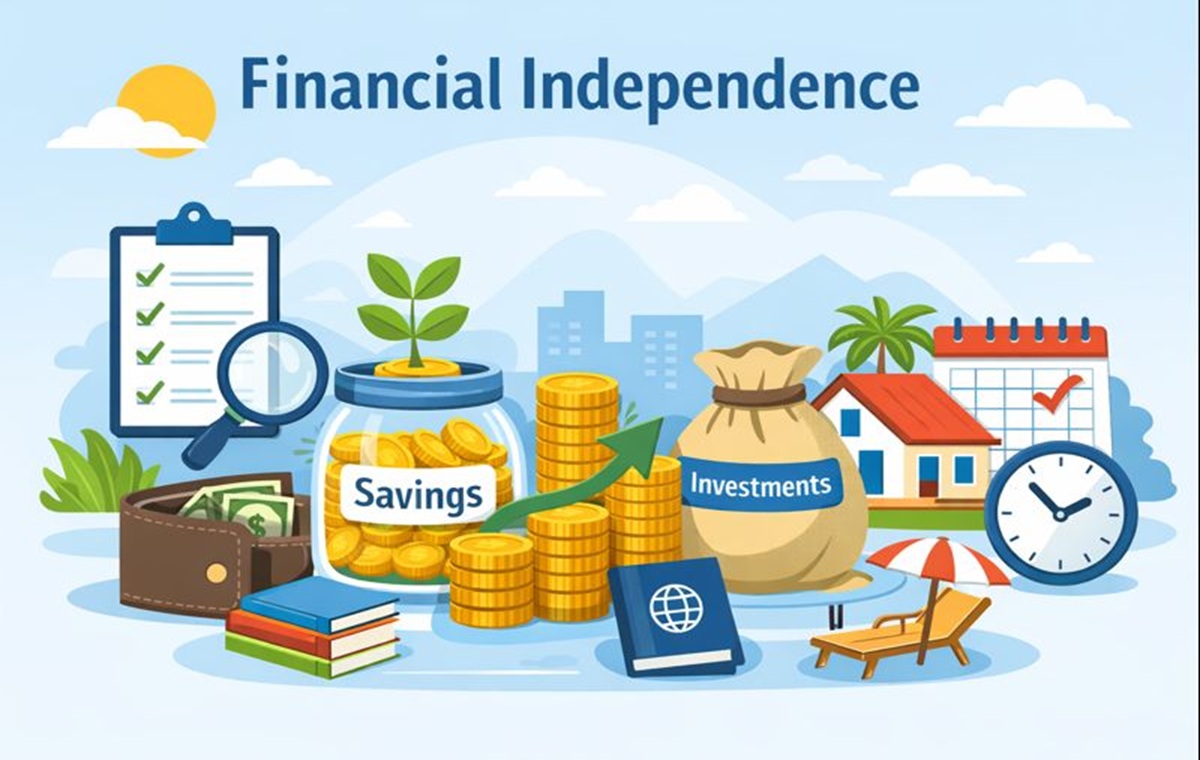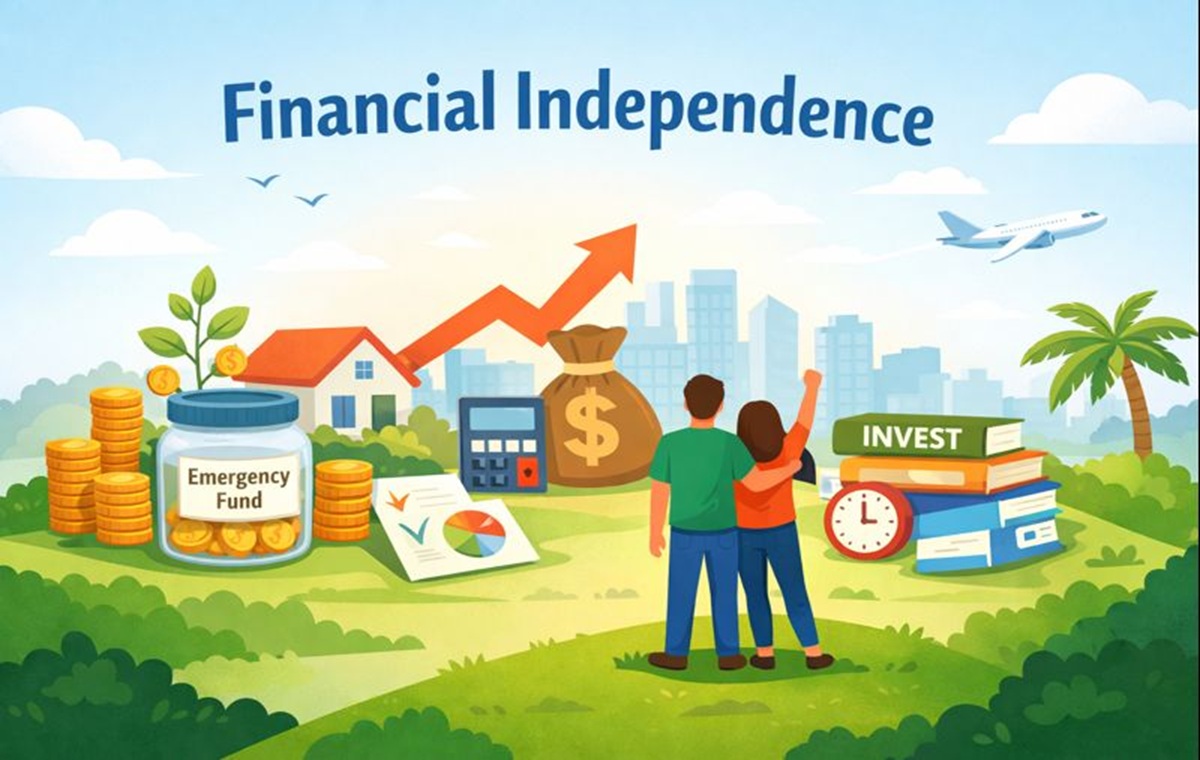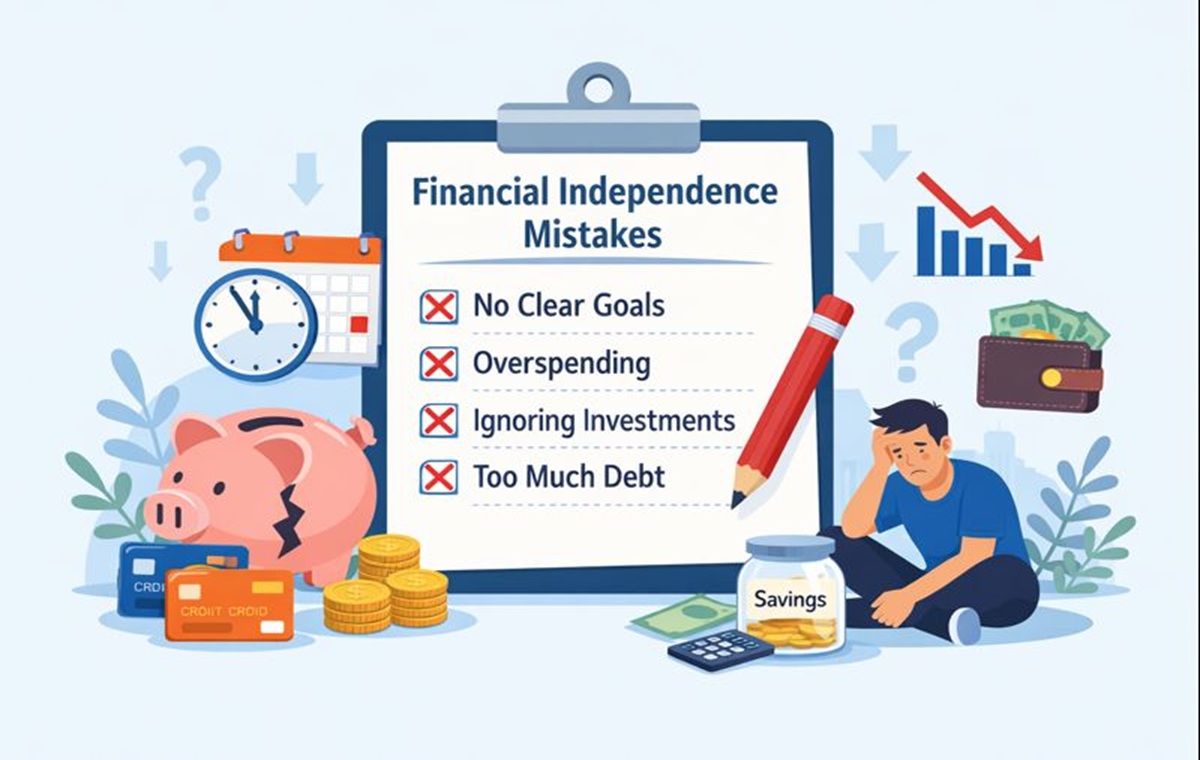
Financial independence means having enough money to cover your life expenses without stress. It gives you freedom. You can make choices without worrying about every bill. Many people dream of becoming financially independent, but very few reach it quickly. The reason is not always low income. Most of the time, it is because of common mistakes.
These mistakes slow down progress. Some people do not even realize they are making them. In this article, we will explain the most common financial independence mistakes in very simple words. If you avoid these mistakes, your journey can become faster and smoother.
1. Not Having a Clear Financial Goal
One of the biggest mistakes is not having a clear goal. Many people say they want financial independence, but they do not define what it means for them.
Without a clear goal, you cannot make a proper plan. You do not know how much money you need. You do not know when you want to reach it. This leads to confusion and slow progress.
A clear goal should answer three things:
- How much money you need
- When you want to reach financial independence
- What kind of lifestyle you want
When your goal is clear, your actions become focused. This helps you move forward faster.
2. Spending More Than You Earn
Spending more than you earn is a very common mistake. Even people with good income make this error. When expenses are higher than income, saving becomes impossible.
Small daily expenses may look harmless. But over time, they add up. Eating outside often, buying things without planning, and unnecessary subscriptions all slow down financial growth.
To avoid this mistake, you should track your spending. Know where your money goes. When you control spending, you create space for saving and investing.
3. Ignoring Budgeting Completely
Many people avoid budgeting because they think it is difficult or boring. This is a mistake. Budgeting is one of the most powerful tools for financial independence.
Without a budget, money flows without control. You may feel busy earning money, but you do not see real progress. Budgeting gives direction to your income.
A simple budget is enough. You only need to divide money into:
- Needs
- Wants
- Savings
When budgeting becomes a habit, your financial decisions improve naturally.
4. Saving Without Investing
Saving money is important, but saving alone is not enough. This is a common mistake that slows down financial independence.
Money kept only in savings grows very slowly. Inflation reduces its value over time. Investing helps money grow faster.
Many people fear investing. They think it is risky or complicated. But not learning about investing keeps you stuck.
Even small investments over a long time can make a big difference. Learning basic investing concepts is necessary for long-term success.
5. Depending on Only One Source of Income
Relying on only one income source can slow down your journey. If that income stops or reduces, progress also stops.
Financial independence becomes easier when you have multiple income sources. This does not mean working all the time. It means creating options.
Examples include:
- Side skills
- Online work
- Passive income ideas
Multiple income streams increase stability. They also help you save and invest more quickly.
6. Delaying the Start
Many people delay their financial journey. They say they will start next year or after income increases. This delay is a big mistake.
Time is one of the most powerful tools in financial growth. The earlier you start, the better the results.
Even small steps taken today are better than big plans for tomorrow. Starting early allows money to grow and habits to form.
Waiting for the perfect time often leads to no action at all.
7. Not Managing Debt Properly
Debt can slow down financial independence if it is not managed well. High interest debt takes away future income.
Some people ignore their debt. Others keep adding new debt without a plan. This creates pressure and limits saving ability.
Managing debt means:
- Paying high interest debt first
- Avoiding unnecessary loans
- Using credit carefully
When debt is under control, more money becomes available for your goals.
8. Lifestyle Inflation
Lifestyle inflation happens when expenses increase with income. When people earn more, they spend more. This is a silent mistake.
A higher income does not always lead to financial independence. If spending rises at the same speed, progress stays slow.
It is good to improve lifestyle slowly, but saving should increase first. Keeping expenses stable while income grows creates faster results.
This habit alone can shorten the journey by many years.
9. Not Tracking Financial Progress
Many people do not track their progress. They work hard but never measure results. This reduces motivation.
Tracking helps you see improvement. It shows what is working and what is not. Without tracking, mistakes repeat.
You can track:
- Savings growth
- Debt reduction
- Investment value
Simple monthly tracking keeps you focused and confident.
10. Following Others Without Understanding Your Own Situation
Comparing your journey with others is harmful. Everyone has a different income, responsibility, and lifestyle.
Some people follow advice that does not fit their situation. This leads to stress and slow progress.
Financial independence is personal. What works for one person may not work for another.
You should make decisions based on your income, goals, and comfort level. Personal planning always works better.
11. Expecting Fast Results
Many people expect quick success. When results take time, they lose motivation. This expectation is a big mistake.
Financial independence is a long-term process. It requires patience and consistency.
Small actions repeated over time create strong results. Quitting early stops progress completely.
Understanding that growth takes time helps you stay calm and focused.
12. Not Improving Financial Knowledge
Avoiding financial education slows everything down. Some people never learn about money management.
Without knowledge, mistakes repeat. Poor decisions become common.
You do not need advanced knowledge. Basic understanding of saving, investing, and budgeting is enough.
Learning a little every month improves confidence and decision-making.
13. Ignoring Emergency Savings
Not having an emergency fund is a serious mistake. Unexpected expenses can break your plan.
When emergencies happen, people use loans or credit. This pushes them backward.
Emergency savings protect your progress. They reduce stress and prevent debt.
A small emergency fund is better than none. It creates safety and stability.
14. Giving Up Too Early
Some people start strong but give up too early. They stop saving or investing when life gets busy.
Financial independence requires long-term commitment. There will be slow months and challenges.
Consistency matters more than speed. Even small steps count when done regularly.
Staying committed is the key to success.
Final Thoughts
Financial independence is not about being rich. It is about control, freedom, and peace of mind. The journey becomes slow when common mistakes are ignored.
By understanding these mistakes and avoiding them, progress becomes smoother. You do not need perfection. You only need awareness and steady effort.
Focus on clear goals. Control spending. Learn about money. Stay patient. Small improvements today create financial freedom tomorrow.