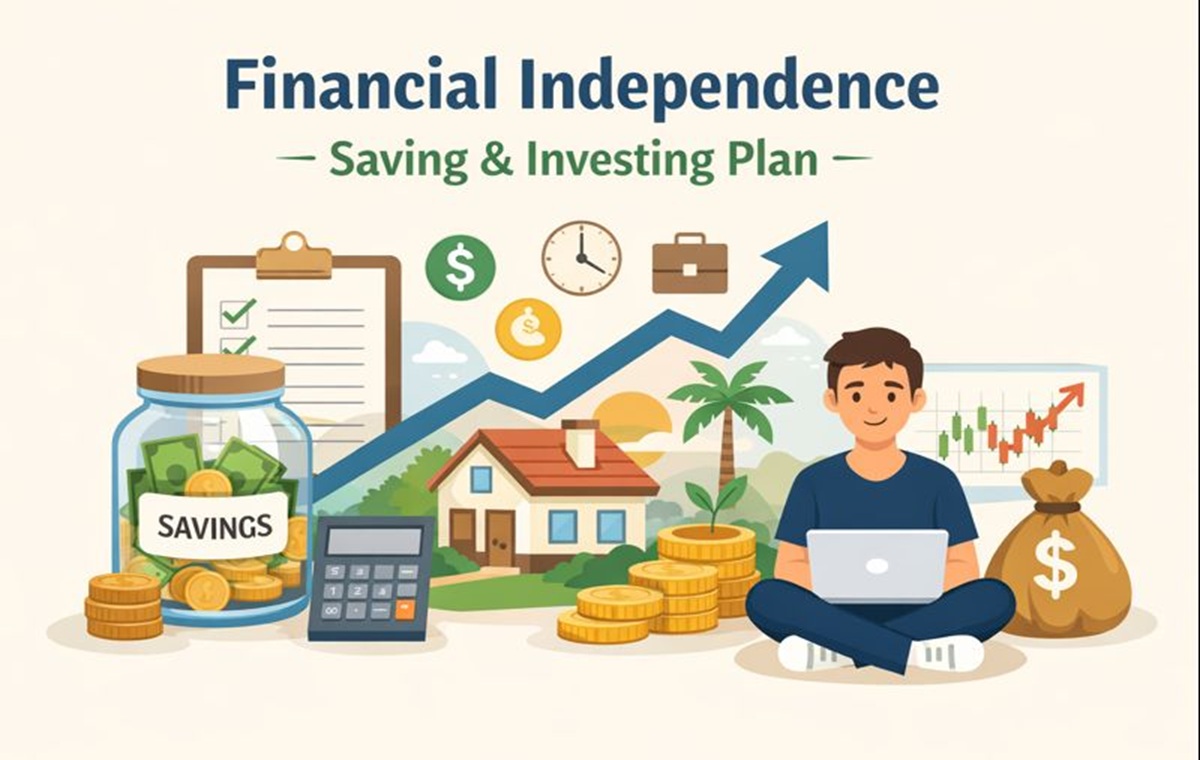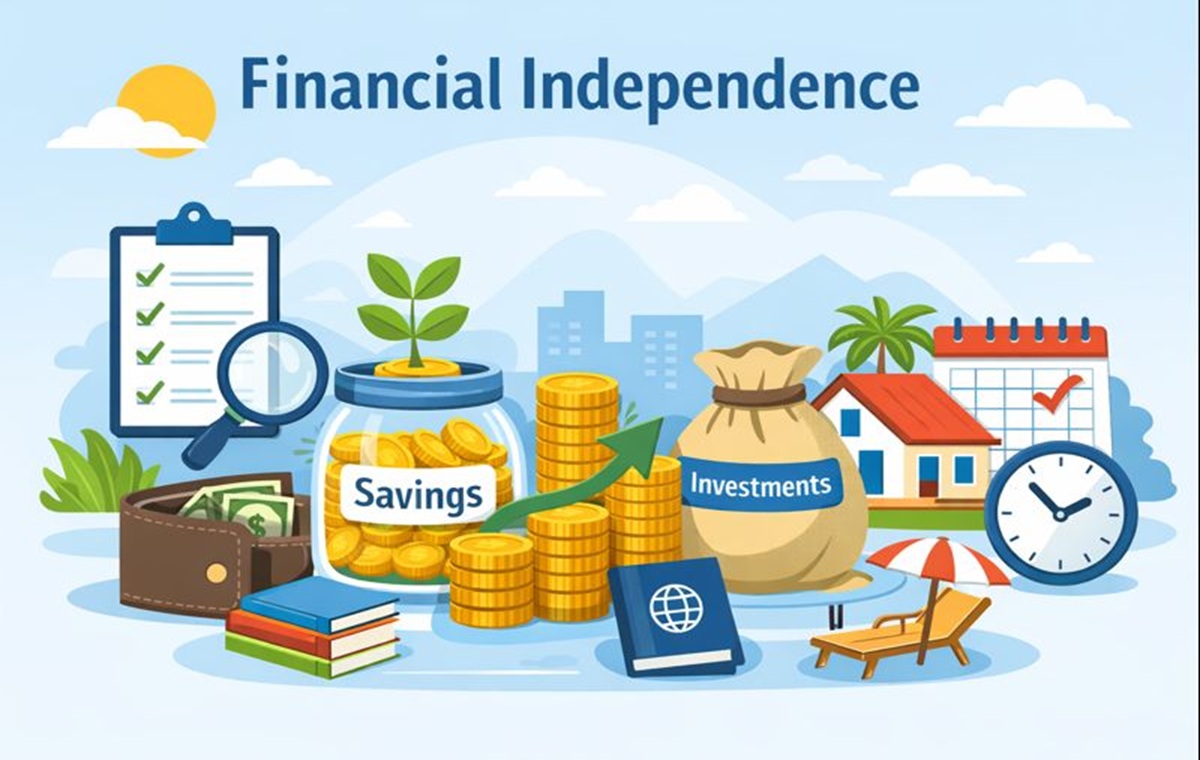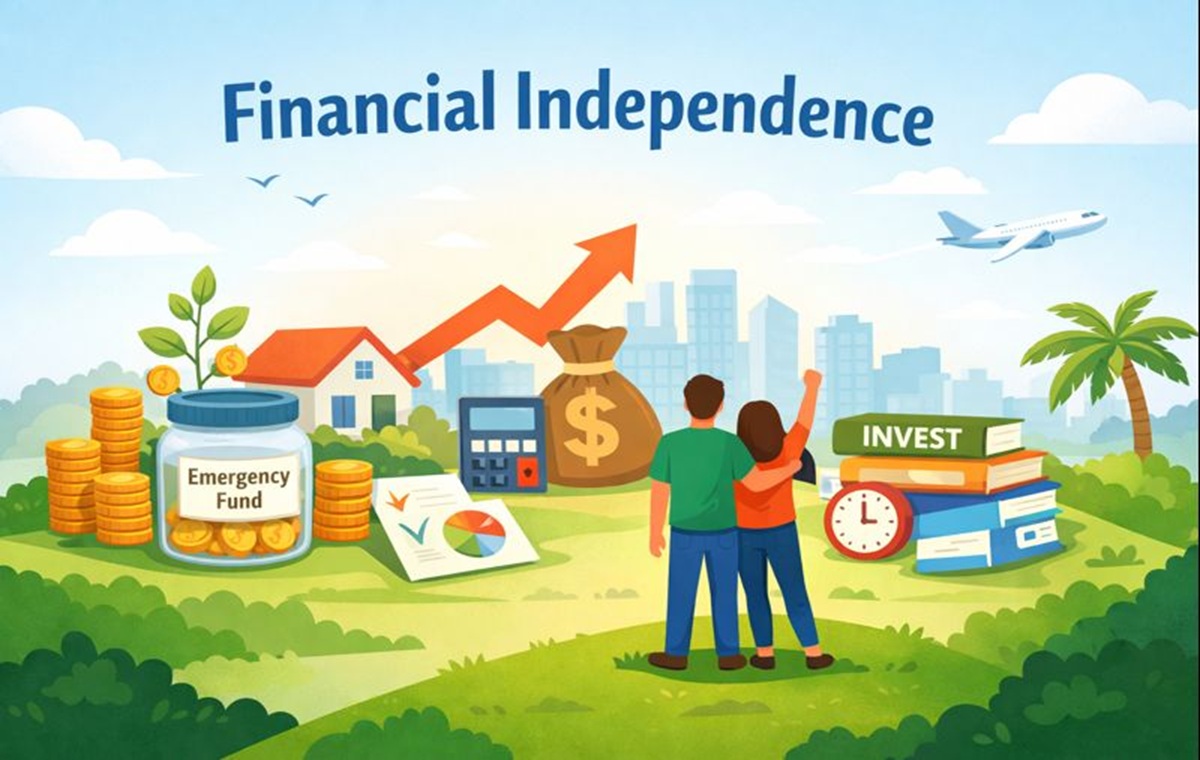
Financial independence is a goal many people dream about. It means having enough money to live your life without depending fully on a job or salary. For beginners with a regular income, this goal may feel difficult. But the good news is that financial independence is possible, even if you earn a fixed monthly income.
This guide explains financial independence in simple words. It shows clear steps you can follow. You do not need to be rich or have a big business. You only need patience, planning, and smart money habits.
What Is Financial Independence?
Financial independence means you have enough income from savings, investments, or other sources to cover your basic living expenses. You do not rely only on your monthly salary.
This does not mean you stop working. It means you work by choice, not by pressure. Your money supports your life, not the other way around.
For beginners, financial independence starts with small actions. Over time, these actions grow into financial security.
Why Financial Independence Is Important for Regular Income Earners
People with regular income often feel stuck. Bills come every month. Savings feel small. Unexpected expenses create stress.
Financial independence helps you:
- Reduce money stress
- Handle emergencies easily
- Make better life choices
- Feel secure about the future
Even a modest income can lead to financial independence if managed wisely.
Step 1: Understand Your Income and Expenses
The first step is knowing where your money comes from and where it goes.
Write down:
- Your monthly income
- Fixed expenses (rent, bills, transport)
- Variable expenses (food, shopping, entertainment)
This helps you see your spending clearly. Many people spend more than they realize. Awareness is the foundation of financial independence.
Step 2: Create a Simple Monthly Budget
A budget is not about restricting life. It is about controlling money.
A simple beginner budget looks like this:
- Needs: essentials like rent, food, utilities
- Savings: money for future goals
- Wants: entertainment and personal spending
Even saving a small amount is powerful. Consistency matters more than size.
Step 3: Build an Emergency Fund First
Before investing or big plans, create an emergency fund.
An emergency fund is money saved for unexpected situations such as:
- Medical expenses
- Job loss
- Urgent repairs
Start with a small goal like one month of expenses. Slowly increase it to three to six months. This fund protects your financial journey.
Step 4: Avoid Unnecessary Debt
Debt can slow down financial independence.
High-interest debt like credit cards can take away future income. Try to:
- Pay bills on time
- Avoid impulse purchases
- Use credit responsibly
If you already have debt, focus on clearing high-interest amounts first. Less debt means more freedom.
Step 5: Start Saving Consistently
Saving is not about leftover money. It is about priority.
Pay yourself first. Set aside savings as soon as you receive your income. Even 5% or 10% is a good start.
Use separate accounts for:
- Emergency savings
- Short-term goals
- Long-term goals
Consistency builds discipline and confidence.
Step 6: Learn Basic Investing Concepts
Investing helps money grow over time. You do not need expert knowledge to begin.
Start by learning:
- How compound interest works
- Difference between saving and investing
- Long-term vs short-term investments
Begin with low-risk options that match your comfort level. Learning slowly is better than rushing.
Step 7: Increase Your Income Gradually
Financial independence becomes easier when income grows.
You can increase income by:
- Learning new skills
- Freelancing part-time
- Improving career opportunities
Small income increases can make a big difference when combined with smart money habits.
Step 8: Control Lifestyle Inflation
Lifestyle inflation happens when spending increases as income increases.
Instead of spending more, save or invest extra income. Keep your lifestyle simple. This helps your wealth grow faster.
Living below your means is a key habit of financially independent people.
Step 9: Set Clear Financial Goals
Goals give direction to your money.
Examples of goals:
- Saving for a home
- Retirement planning
- Travel fund
- Education fund
Write goals clearly. Break them into short-term and long-term plans. Review them regularly.
Step 10: Be Patient and Stay Consistent
Financial independence is not quick. It takes time.
Some months will be difficult. Expenses may rise. Income may stay the same. Do not give up.
Small actions repeated over years create big results. Patience is more powerful than speed.
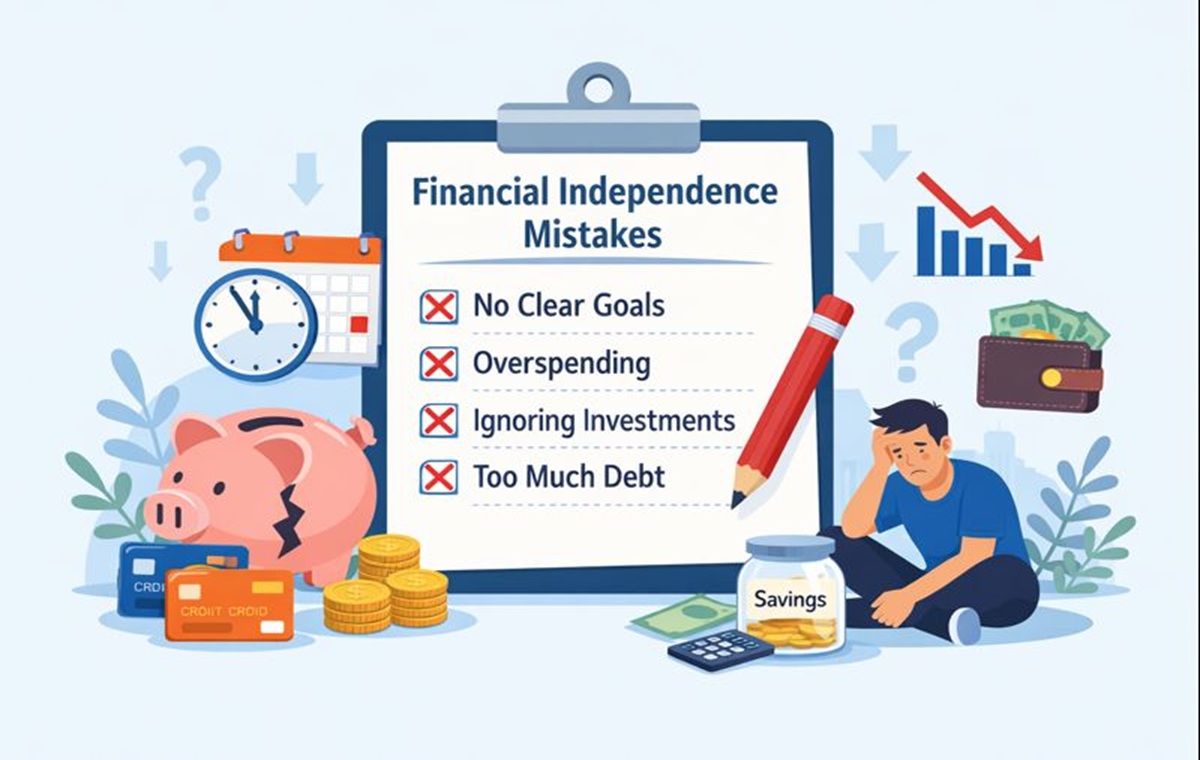
Common Mistakes Beginners Should Avoid
Many beginners make avoidable mistakes.
Avoid:
- Chasing quick money schemes
- Ignoring budgeting
- Saving without goals
- Comparing yourself to others
Focus on your journey. Everyone’s income and situation is different.
Financial Independence Is a Lifestyle, Not a Shortcut
Financial independence is not a one-time decision. It is a lifestyle choice.
It means:
- Making thoughtful spending decisions
- Planning for the future
- Respecting money
Over time, these habits create stability and confidence.
How Regular Income Can Still Lead to Financial Freedom
Many people believe only high earners can achieve financial independence. This is not true.
People with regular income succeed by:
- Managing expenses well
- Saving consistently
- Investing patiently
- Avoiding unnecessary debt
Income level matters less than money behavior.
Final Thoughts
Financial independence is achievable for beginners with regular income. You do not need complex plans or big risks.
Start with understanding your money. Build simple habits. Save regularly. Learn continuously.
Every small step moves you closer to freedom and security. Financial independence is a journey, and the best time to start is now.