Are your monthly bills piling up? Struggling with credit card payments or loan repayments? You’re not alone. Many people face these issues. The good news? Managing your credit doesn’t have to be hard. In this guide, we’ll walk you through how to handle loans, credit cards, and monthly bills in a way that’s easy and stress-free.
What is Credit Management?
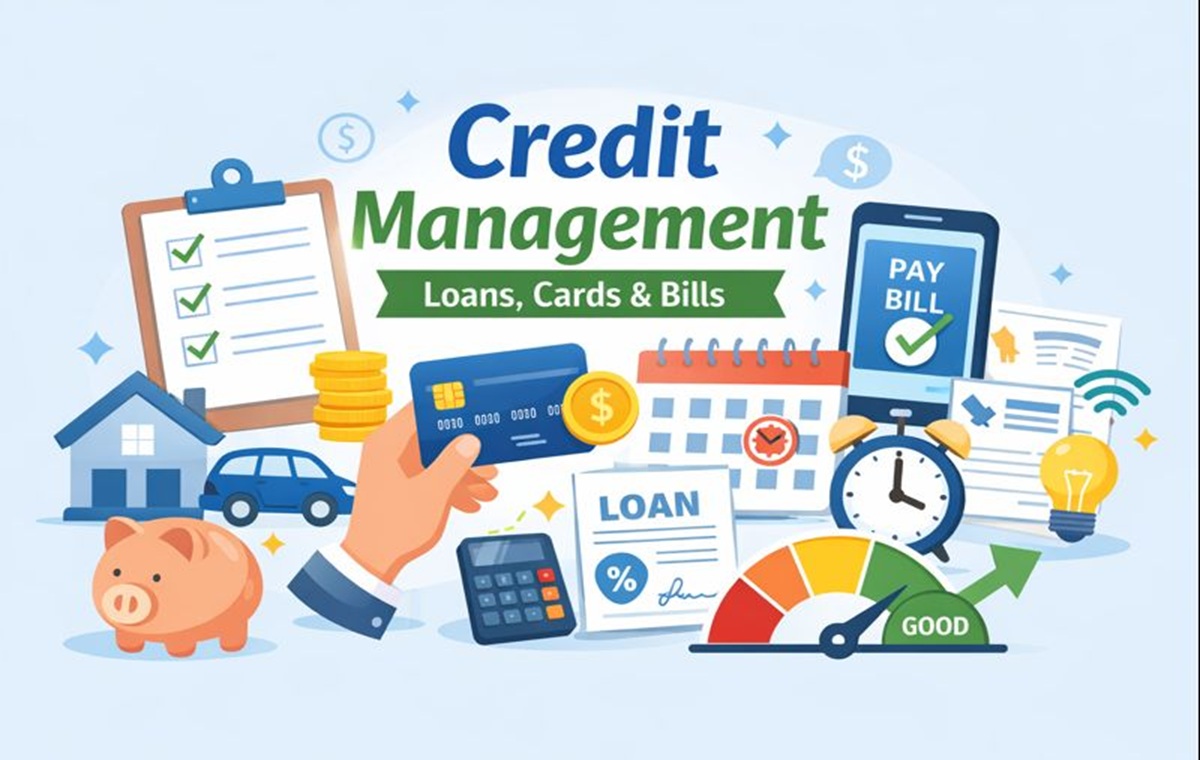
Credit management simply means handling the money you borrow and the payments you make every month. This includes managing loans, credit cards, and even regular bills like electricity, internet, and rent. Good credit management helps you avoid debt traps and keeps your financial life smooth and steady.
Why Good Credit Management Matters
When you manage your credit well, you build a strong credit score. A good credit score helps you:
- Get approved for future loans easily.
- Receive lower interest rates.
- Save money in the long run.
- Avoid extra fees and penalties.
Basically, the better you manage your credit, the more control you have over your money.
Understanding Different Types of Credit
Let’s take a quick look at the three main areas of credit you need to manage:
Loans
These are big sums of money you borrow from a bank or financial institution. It can be a home loan, car loan, or personal loan. You agree to pay back this amount with interest over a fixed time.
Credit Cards
Credit cards let you borrow small amounts repeatedly. You can buy things now and pay later. But if you don’t pay on time, interest charges add up fast.
Monthly Bills
These are recurring payments like electricity, gas, internet, phone bills, and subscriptions. Missing these payments might not hit your credit score right away, but over time, it can affect your financial health.
How to Manage Your Loans Smartly
Choose the Right Type of Loan
Before taking any loan, ask yourself:
- Do I really need this loan?
- Can I afford the monthly payment?
- Is this the lowest interest rate I can get?
Compare banks, look at the repayment period, and understand all the terms before signing anything.
Pay More Than the Minimum
If you only pay the minimum amount, you end up paying more in interest. Try to pay extra whenever you can. Even small extra payments can reduce your loan term and total cost.
Avoid Late Payments
Late payments lead to penalties and damage your credit score. Always pay on or before the due date. Set calendar reminders or enable auto-pay.
Tips to Handle Credit Cards Wisely
Credit cards are helpful, but only when used smartly.
Use Only What You Can Repay
Treat your credit card like cash. If you can’t pay it back in full, don’t spend it. Carrying a balance leads to high interest.
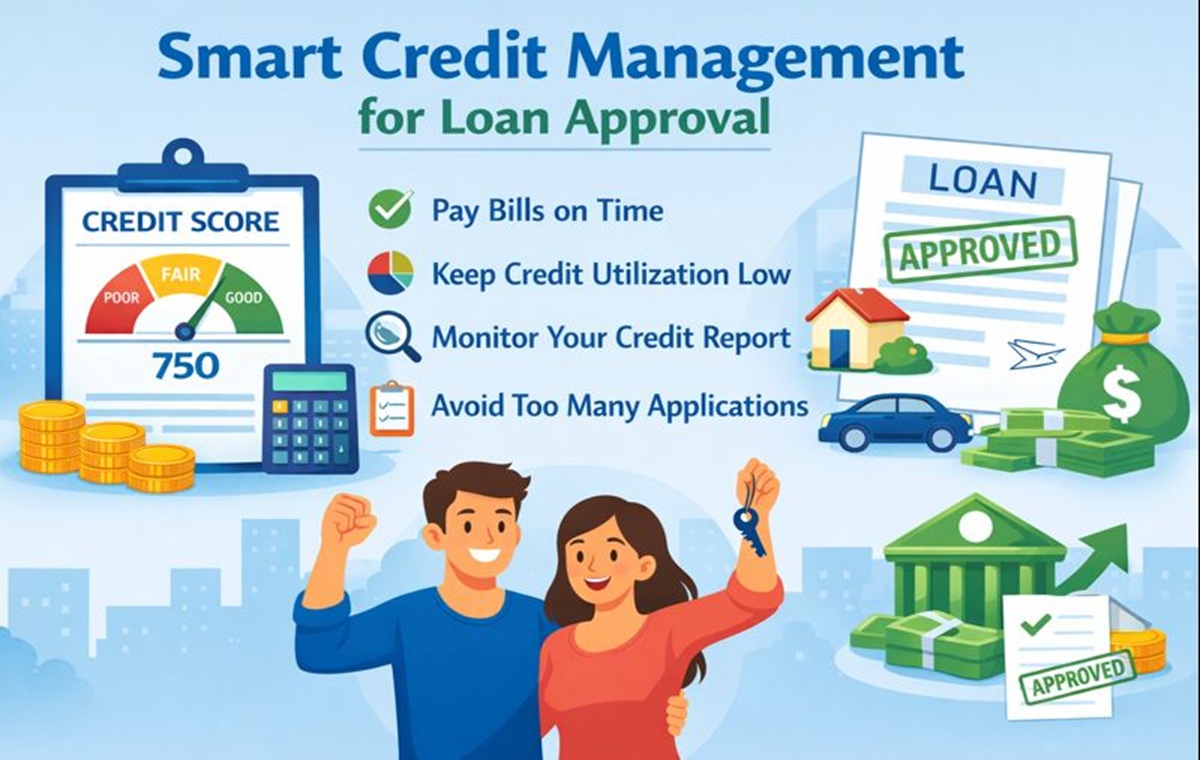
Keep Your Credit Utilization Low
Try not to use more than 30% of your credit limit. For example, if your limit is $1,000, use only up to $300. This helps maintain a healthy credit score.
Avoid Unnecessary Cards
It might be tempting to apply for every card offering rewards or cashback. But too many cards can be hard to track and manage. Stick to one or two that offer real value.
Managing Monthly Bills Without Stress
Keeping up with bills doesn’t have to be overwhelming.
Create a Monthly Budget
Make a list of your income and expenses. Allocate money for bills first. Knowing where your money goes helps avoid surprises.
Use Auto-Pay Where Possible
Set up automatic payments for fixed bills like rent, loan EMIs, or subscription services. It reduces the chance of forgetting a due date.
Set Bill Reminders
For bills that can’t be auto-paid, set alerts a few days before the due date. Use your phone calendar or apps to keep track.
Common Mistakes in Credit Management
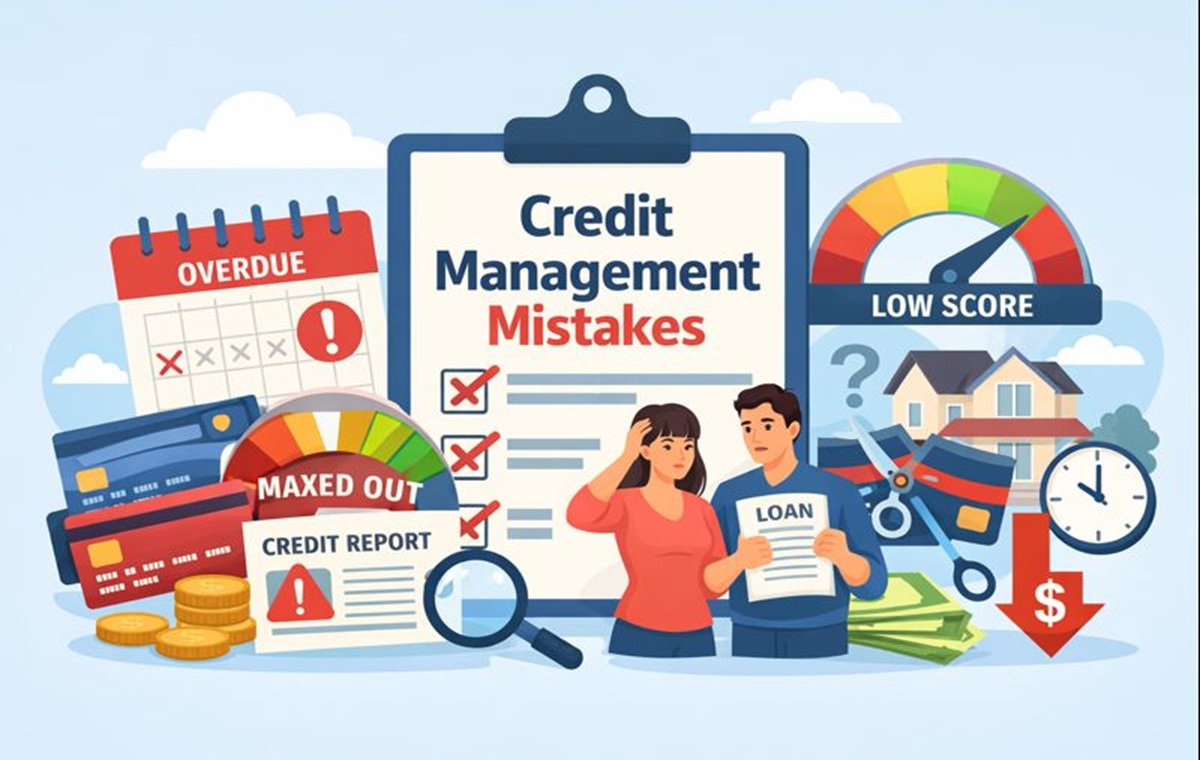
Many people make the same mistakes over and over:
- Ignoring credit card statements.
- Taking loans without planning repayment.
- Paying bills late.
- Not checking credit reports regularly.
Avoiding these mistakes can make a big difference in your financial health.
How Credit Score Is Affected
Your credit score is like a report card of your money habits. Here’s what affects it:
- Payment history (on-time vs. late)
- Credit card usage
- Length of credit history
- New credit inquiries
- Types of credit used
Keep these things in check to maintain a high score.
Steps to Improve Your Credit Score
If your score isn’t great, don’t worry—it can be fixed.
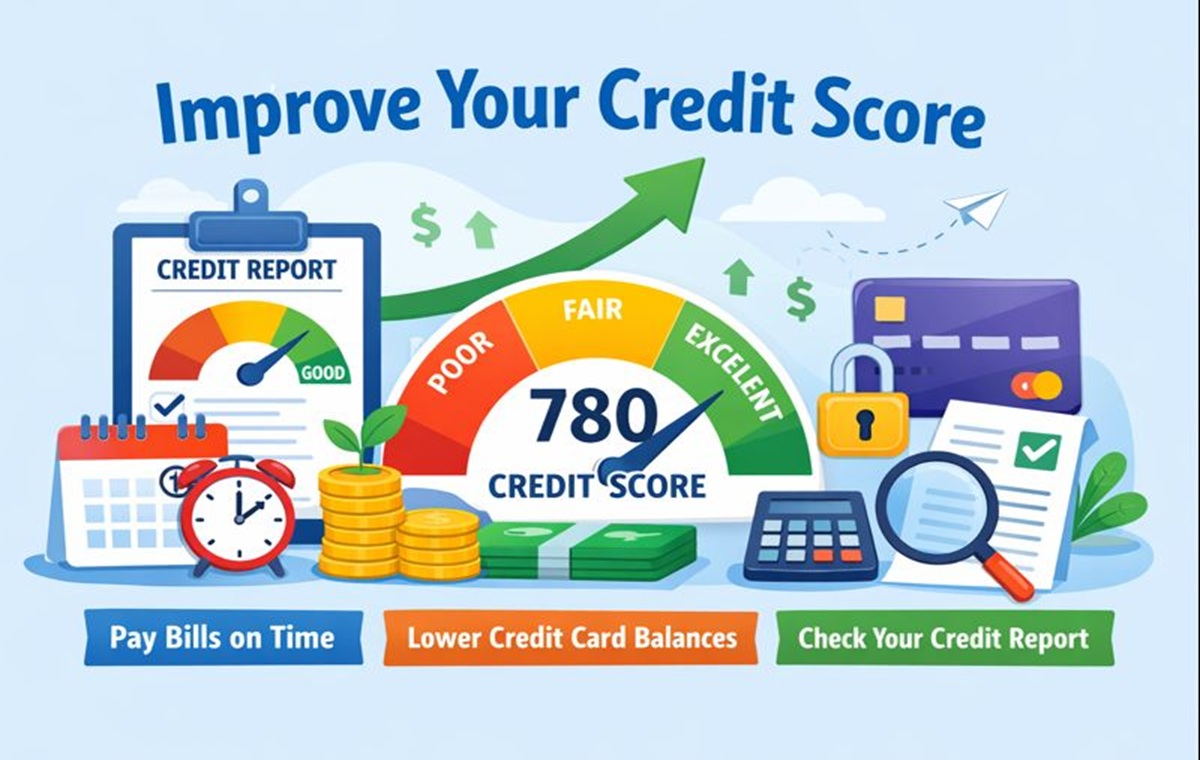
- Always pay on time.
- Reduce your credit card balance.
- Don’t close old credit cards (they help your credit age).
- Check your credit report for mistakes.
- Avoid applying for too many loans at once.
Be patient. It takes time, but steady effort works wonders.
Tools and Apps for Better Credit Management
Technology can make credit management easier. Here are a few tools to consider:
- Budget apps like Mint or YNAB.
- Bill tracking apps such as Prism.
- Credit monitoring tools from Credit Karma or Experian.
These tools help you track spending, monitor credit score changes, and pay bills on time.
When to Seek Professional Help
If you feel overwhelmed or stuck in a debt cycle, it’s okay to ask for help. Credit counseling services can:
- Help you plan your debt repayment.
- Negotiate with lenders.
- Offer financial education.
Choose a certified credit counselor or nonprofit organization. Avoid scams that ask for money upfront.
Final Thoughts
Managing loans, credit cards, and monthly bills might sound tough at first. But with a little planning and smart choices, you can stay on top of everything. Build good habits, track your payments, and don’t be afraid to ask for help. A strong financial foundation starts with smart credit management.
FAQs
1. What is the most important part of credit management?
Paying bills and loans on time is the most important part. On-time payments protect your credit score and help avoid extra charges.
2. How can I reduce my credit card debt fast?
Focus on paying more than the minimum amount. Use the snowball or avalanche method to tackle your highest-interest debts first.
3. Does paying my utility bills help my credit score?
Usually, utility payments aren’t reported to credit bureaus unless you miss payments and it goes to collections. But some services now report on-time payments too.
4. Is it bad to have multiple credit cards?
Not always. It depends on how you use them. If you manage them well and pay on time, it can help your score. But too many cards can lead to overspending.
5. How often should I check my credit report?
At least once a year. You can get a free credit report from each major bureau annually. Look for errors and dispute anything incorrect.