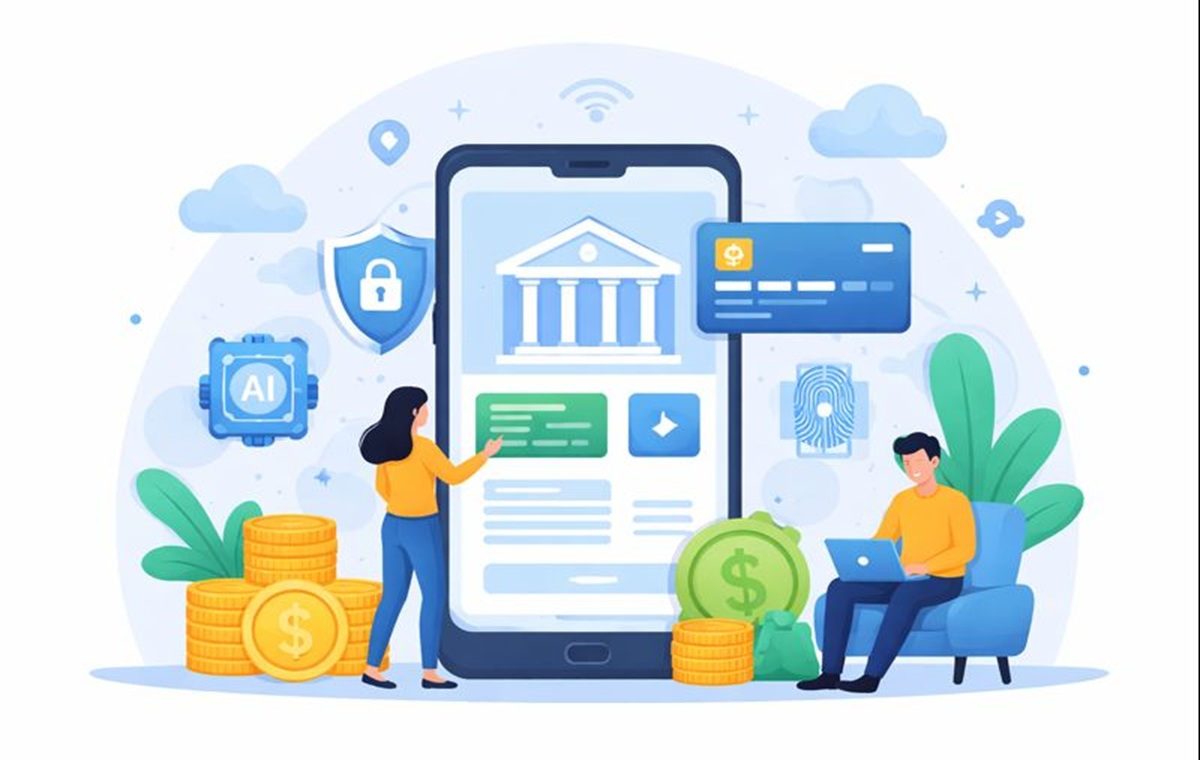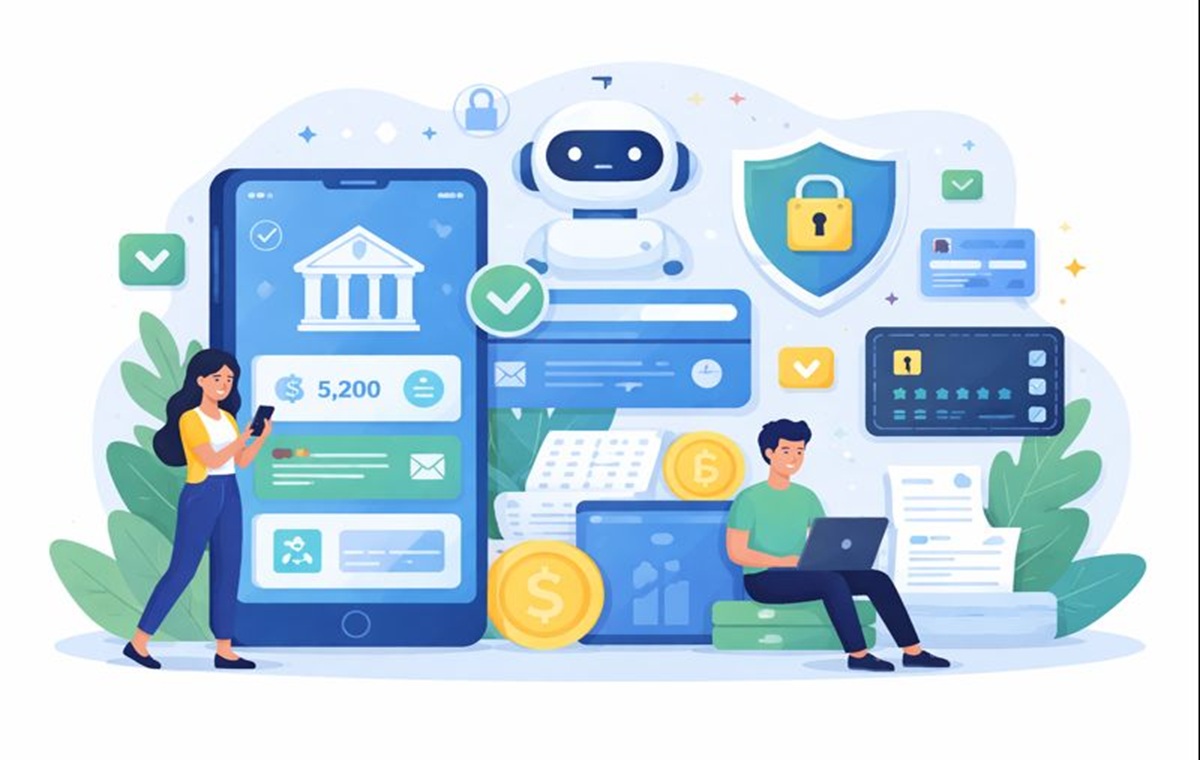
Banking technology has changed the way people manage money. In the past, banking mostly happened inside physical bank branches. Today, many banking services are available online. People can check balances, send money, and pay bills using their phones. This change is possible because of modern banking technology.
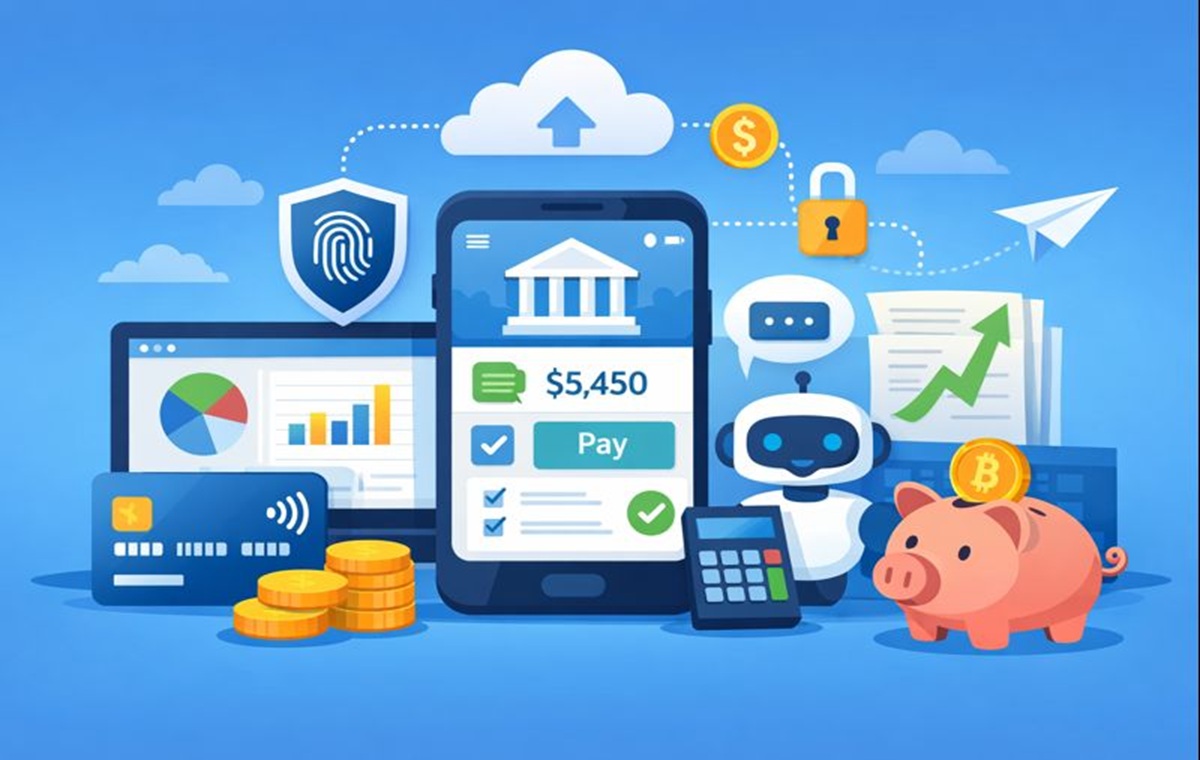
Banking tech includes tools like mobile banking apps, artificial intelligence, and online payment systems. These tools make banking faster, safer, and more convenient. This article explains banking tech in simple words. It focuses on mobile banking, AI in banking, and online payments.
What Is Banking Technology?
Banking technology refers to digital tools and systems used by banks and financial institutions. These tools help banks offer better services to customers. Banking tech reduces paperwork and saves time. It also improves security and accuracy.
Today, banking technology supports daily tasks such as transferring money, paying bills, checking account details, and managing expenses. It also helps banks detect fraud and protect customer data.
How Banking Technology Has Evolved
Banking has changed a lot over the years. Earlier, people had to visit banks for every task. Later, ATMs made cash withdrawal easier. After that, internet banking became popular.
Now, mobile apps and digital systems handle most banking activities. Customers expect fast and easy services. Banks use technology to meet these expectations.
Mobile Banking Explained
Mobile banking allows people to access bank services using smartphones or tablets. Most banks offer mobile apps that customers can install easily. These apps connect directly to bank accounts.
Mobile banking has become one of the most used banking services worldwide.
Common Features of Mobile Banking Apps
Mobile banking apps offer many useful features. These include:
- Checking account balance
- Viewing transaction history
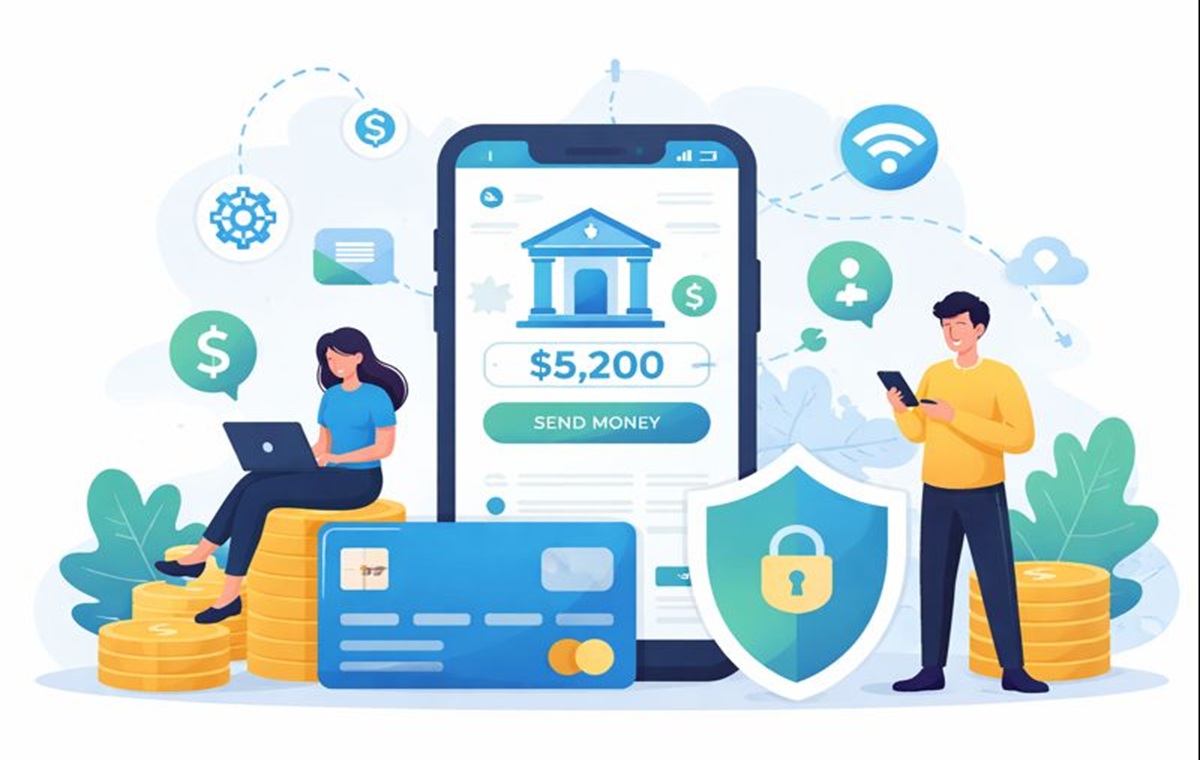
- Sending and receiving money
- Paying utility bills
- Recharging mobile phones
- Managing cards and accounts
These features reduce the need to visit bank branches.
Benefits of Mobile Banking for Users
Mobile banking offers many benefits. First, it saves time. Users can perform tasks anytime and anywhere. Second, it reduces paperwork. Everything is digital and stored safely.
Mobile banking also provides instant alerts. Users receive notifications for transactions. This helps them track spending and spot unusual activity quickly.
Security in Mobile Banking
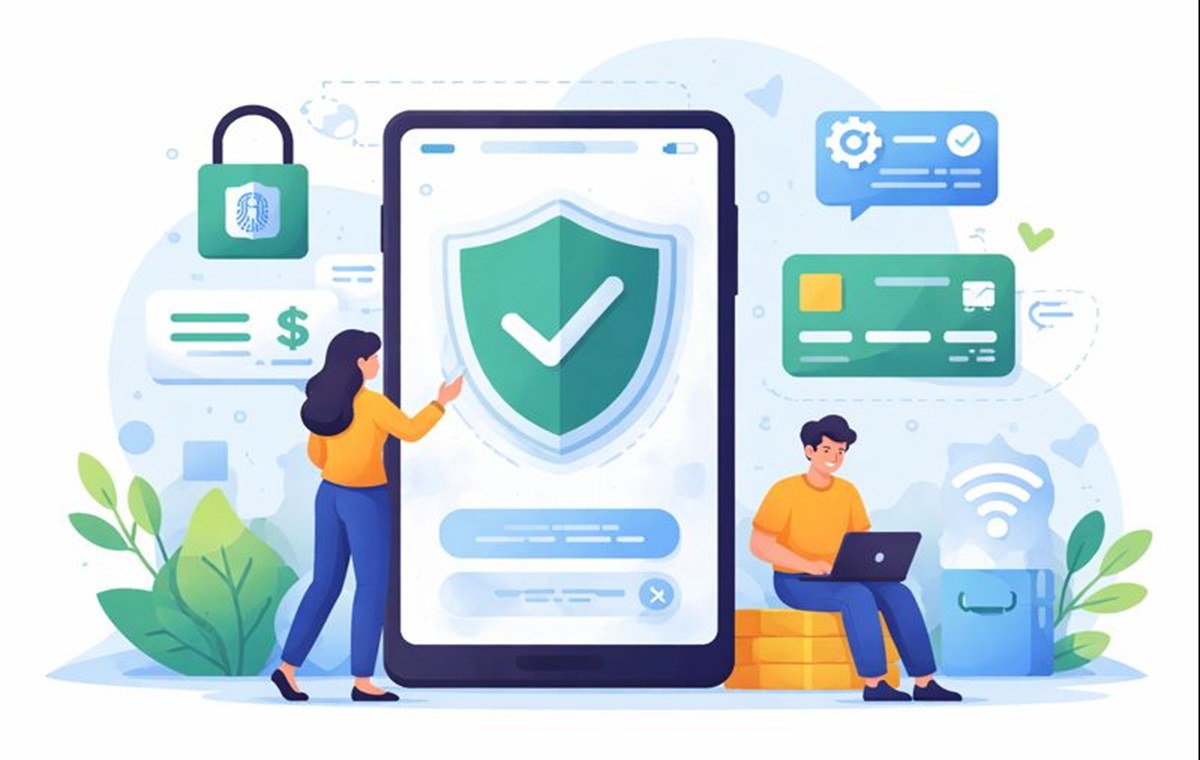
Security is very important in mobile banking. Banks use multiple security layers. These include passwords, PINs, fingerprint scans, and face recognition.
Most apps also use encryption. This protects data during transactions. If a phone is lost, users can block access through customer support.
Artificial Intelligence in Banking
Artificial intelligence, or AI, is playing a growing role in banking technology. AI helps banks analyze data and improve services. It also helps customers get faster support.
AI systems learn from data and improve over time. This makes banking smarter and more efficient.
How AI Is Used in Banking
Banks use AI in many ways. One common use is chatbots. These are automated systems that answer customer questions. Chatbots are available 24/7 and respond quickly.
AI is also used to detect unusual transactions. If something looks risky, the system sends alerts. This helps prevent fraud and unauthorized activity.
AI and Customer Experience
AI improves customer experience by offering personalized services. For example, AI can suggest saving tips based on spending habits. It can also remind users about bills or low balances.
These features help customers manage money better. They also reduce stress and confusion.
AI in Fraud Detection and Security
Fraud detection is one of the most important uses of AI in banking. AI systems monitor transactions in real time. They look for unusual patterns.
If the system finds something suspicious, it can block the transaction or ask for verification. This adds an extra layer of safety for customers.
Online Payments Explained
Online payments allow people to send and receive money electronically. These payments can be made through apps, websites, or digital wallets.
Online payments are used for shopping, bill payments, subscriptions, and money transfers. They are fast and convenient.
Types of Online Payment Methods
There are several types of online payment methods. These include:
- Bank transfers
- Debit and credit card payments
- Digital wallets
- Mobile payment apps
Each method has its own benefits. Users can choose what works best for them.
Digital Wallets and Payment Apps
Digital wallets store payment information securely. Users can link their bank accounts or cards. Payments can be made with just a few taps.
Payment apps are widely used for everyday transactions. They are popular for online shopping and peer-to-peer transfers.
Benefits of Online Payments
Online payments offer many advantages. They are fast and easy to use. Payments are processed quickly, often in real time.
Online payments also reduce the need for cash. This makes transactions cleaner and easier to track. Digital records help with budgeting and expense tracking.
Security in Online Payments
Security is a key part of online payments. Payment systems use encryption and secure servers. Many services require verification codes or biometric checks.
Users should always use trusted apps and websites. Keeping devices updated also helps protect payment data.
Role of Banking Tech in Financial Inclusion
Banking technology helps more people access financial services. In many areas, physical banks are limited. Mobile and digital banking solve this problem.
People can open accounts and manage money without visiting branches. This supports financial inclusion and economic growth.
How Banking Tech Helps Businesses
Businesses also benefit from banking technology. Digital payments speed up sales and reduce cash handling. Online banking helps manage accounts easily.
AI tools help businesses analyze transactions and plan better. Banking tech improves efficiency and reduces costs.
Challenges in Banking Technology
While banking tech offers many benefits, it also has challenges. One challenge is digital literacy. Some people find technology hard to use.
Another challenge is cybersecurity. Banks must constantly update systems to protect against threats. Education and awareness help reduce risks.
Future of Banking Technology
The future of banking technology looks promising. Mobile banking apps will become more advanced. AI systems will become smarter and more accurate.
Online payments will continue to grow. New features will focus on speed, security, and ease of use. Banking will become more customer-focused.
How Users Can Stay Safe With Banking Tech
Users should follow simple safety steps. They should use strong passwords and keep apps updated. Avoid using public Wi-Fi for banking tasks.
Regularly checking account activity also helps. Reporting suspicious activity early can prevent losses.
Final Thoughts
Banking technology has transformed the financial world. Mobile banking, AI, and online payments make money management easier and faster. These tools help users save time, improve security, and control finances better.
As banking tech continues to grow, users who understand it will benefit the most. Learning basic features and staying aware of security helps everyone enjoy safe and smart banking.