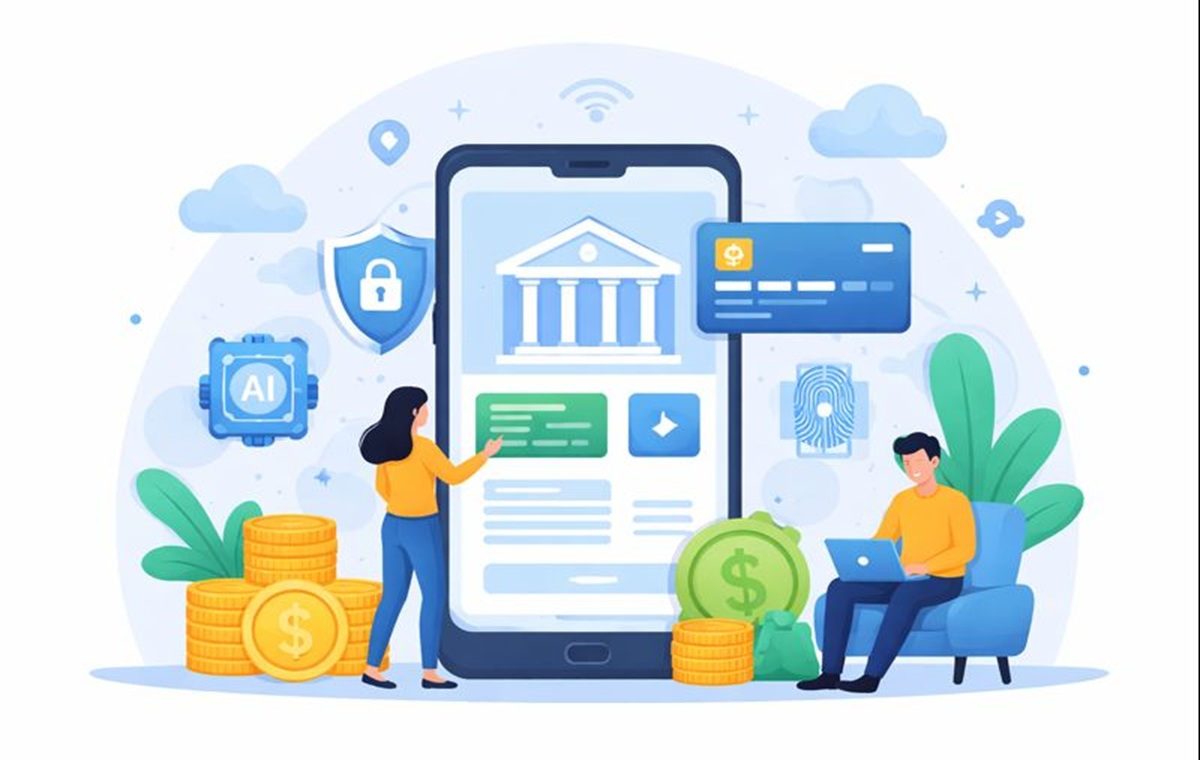
Banking technology is changing faster than ever before. In the past, people had to visit bank branches to open accounts, transfer money, or ask simple questions. Today, most banking tasks can be done from a mobile phone. This change is not stopping. In fact, the future of banking technology will bring even more improvements for customers.
Banks are using new digital tools to make services faster, safer, and easier to use. Customers now expect convenience, quick support, and strong security. In this article, we will explain the future of banking technology and how it will affect customers in simple and easy language.
What Is Banking Technology
Banking technology refers to digital systems and tools used by banks to provide financial services. This includes mobile banking apps, online banking websites, automated payment systems, and digital security tools. Banking technology helps banks manage customer accounts, process payments, and offer support without long delays.
Over time, banking technology has moved from paper-based work to digital platforms. This change has reduced errors, saved time, and improved customer experience. The future will take these improvements even further.
Why Banking Technology Is Changing So Fast
Banking technology is changing because customer needs are changing. People want fast and simple services. They want to check balances, send money, and pay bills without visiting a bank branch. Technology helps banks meet these expectations.
Another reason is competition. Many digital financial services now offer easy-to-use tools. To stay relevant, banks must upgrade their systems. Security is also a major reason. As digital payments increase, banks need stronger protection against fraud and data misuse.
Mobile Banking Will Become More Advanced
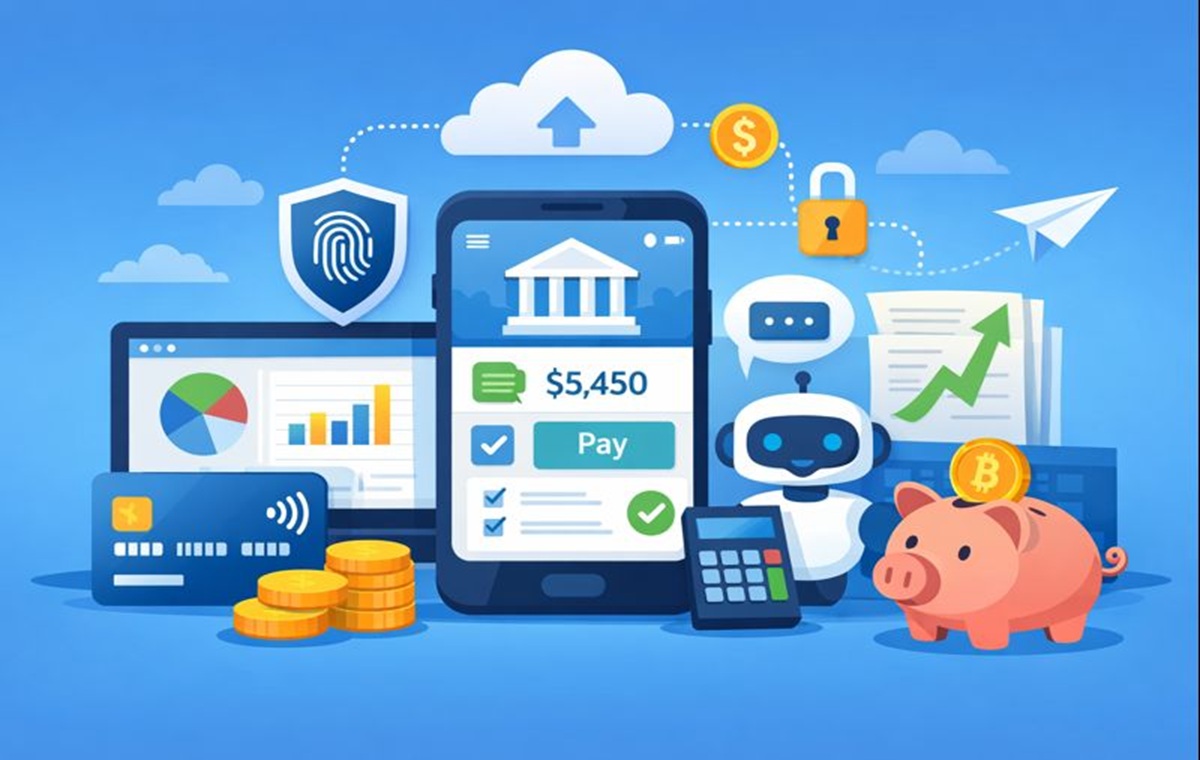
Mobile banking apps are already popular, but the future will bring even smarter features. Customers will be able to manage all their banking needs from one app. This includes payments, savings tracking, customer support, and financial insights.
Apps will become more user-friendly. Simple layouts, clear options, and fast loading will improve the experience. Customers who are not tech experts will also find banking easier. This will make banking more accessible to people of all ages.
Artificial Intelligence in Banking Services
Artificial intelligence, also known as AI, will play a big role in future banking technology. AI helps banks understand customer behavior and provide better services. For example, AI can suggest saving tips based on spending habits.
Customer support will also improve. Many banks already use chat support for basic questions. In the future, these systems will become more accurate and helpful. Customers will get quick answers at any time, without waiting for long phone calls.
Personalized Banking Experience for Customers
The future of banking technology focuses on personalization. Banks will use data to understand what customers need. This allows banks to offer services that match individual financial goals.
For customers, this means more relevant offers and better advice. Instead of generic messages, customers will receive suggestions based on their usage patterns. This makes banking feel more helpful and less confusing.
Improved Security and Fraud Protection
Security is one of the biggest concerns for banking customers. Future banking technology will focus heavily on protecting user data and money. Advanced security tools will help prevent unauthorized access.
Biometric security will become more common. This includes fingerprint scanning and facial recognition. These methods are harder to misuse than passwords. Customers will feel safer while using digital banking services.
Faster and Simpler Payments
Payments are becoming faster every year. The future will make them even quicker. Customers will be able to send and receive money almost instantly. This will be useful for daily expenses, online shopping, and bill payments.
Banking technology will also reduce errors in payments. Clear confirmation messages and tracking options will help customers stay informed. This improves trust in digital banking systems.
Open Banking and Better Financial Control
Open banking is a system where customers can safely share their financial data with approved services. This allows customers to use multiple financial tools in one place. For example, a budgeting app can connect with a bank account to track spending.
In the future, open banking will give customers more control. They will be able to choose tools that help manage money better. This leads to smarter financial decisions and improved money awareness.
Banking Services Without Physical Branches
Physical bank branches are becoming less important. While they will not disappear completely, their role will change. Many banking services will be fully digital.
Customers will benefit from this shift. They will save time and avoid long queues. Digital services will be available anytime, even outside normal working hours. This makes banking more convenient for busy people.
Financial Inclusion Through Technology
Banking technology also helps include people who previously had limited access to financial services. Digital banking allows users to open accounts with fewer steps. This helps people in remote areas or those with limited resources.
As technology improves, more people will be able to save money, make payments, and manage finances safely. This creates better financial stability for individuals and communities.
Role of Data in Future Banking
Data plays an important role in modern banking. In the future, banks will use data more responsibly to improve services. Data analysis helps banks detect unusual activity and prevent fraud.
For customers, this means safer transactions and better service quality. Banks will follow strict privacy rules to protect customer information. Trust will remain a key part of banking technology growth.
How Customers Will Benefit Overall
The future of banking technology will bring many benefits for customers. Banking will become easier, faster, and more secure. Customers will have better access to information and tools that help manage money.
Technology will reduce stress related to finances. Clear insights, quick support, and personalized services will make banking simpler. Customers will feel more confident in handling their financial needs.
Challenges Customers May Face
While technology brings many benefits, there are some challenges. Not all customers are comfortable with digital tools. Banks will need to provide guidance and simple designs to help users adapt.
Internet access and digital knowledge are also important. Banks must ensure their systems are easy to use and widely accessible. Education and support will help customers overcome these challenges.
What Customers Can Do to Prepare
Customers can prepare for future banking technology by learning basic digital skills. Using mobile apps and online services helps build confidence. Staying informed about security practices is also important.
Customers should use strong passwords and enable security features. Understanding how digital banking works will make the transition smoother. This ensures a better experience as banking continues to evolve.
Conclusion
The future of banking technology is focused on customers. Banks are using digital tools to provide faster services, stronger security, and better support. Mobile banking, artificial intelligence, and improved payment systems will shape how people manage money.
For customers, these changes mean convenience, safety, and control. Banking will become more personalized and accessible. As technology continues to grow, customers who adapt will benefit the most from modern banking solutions.