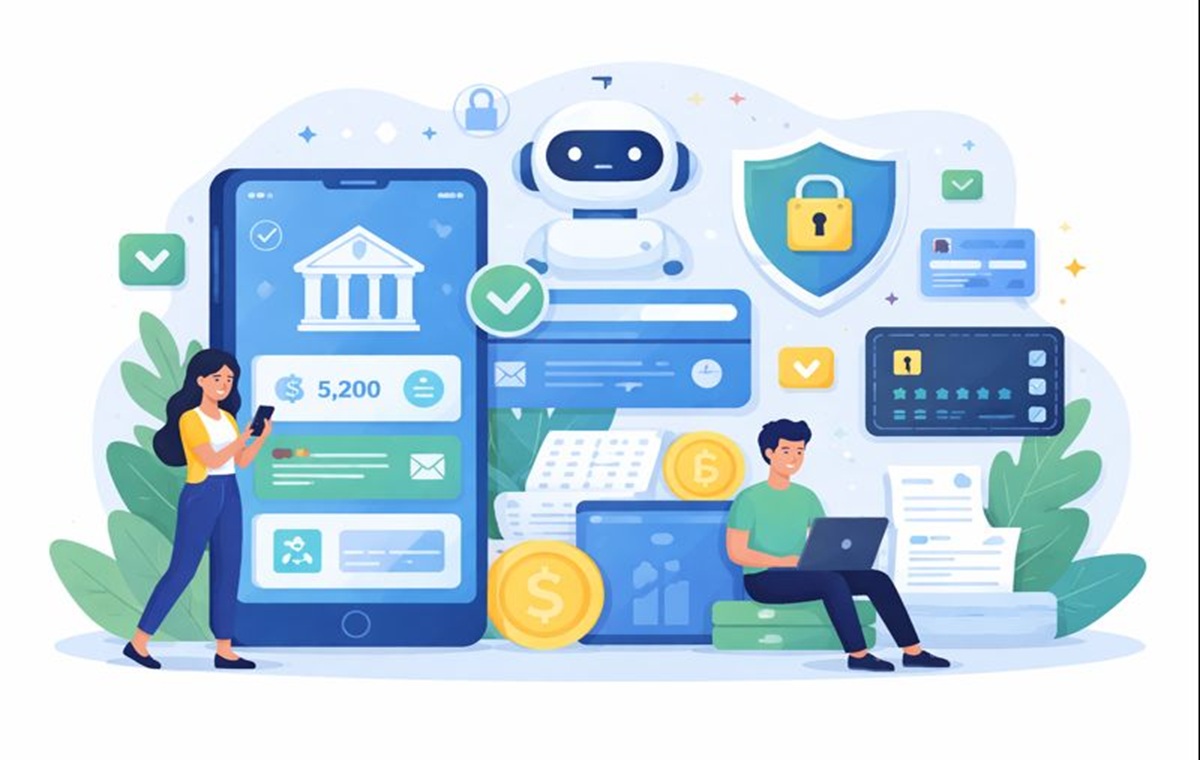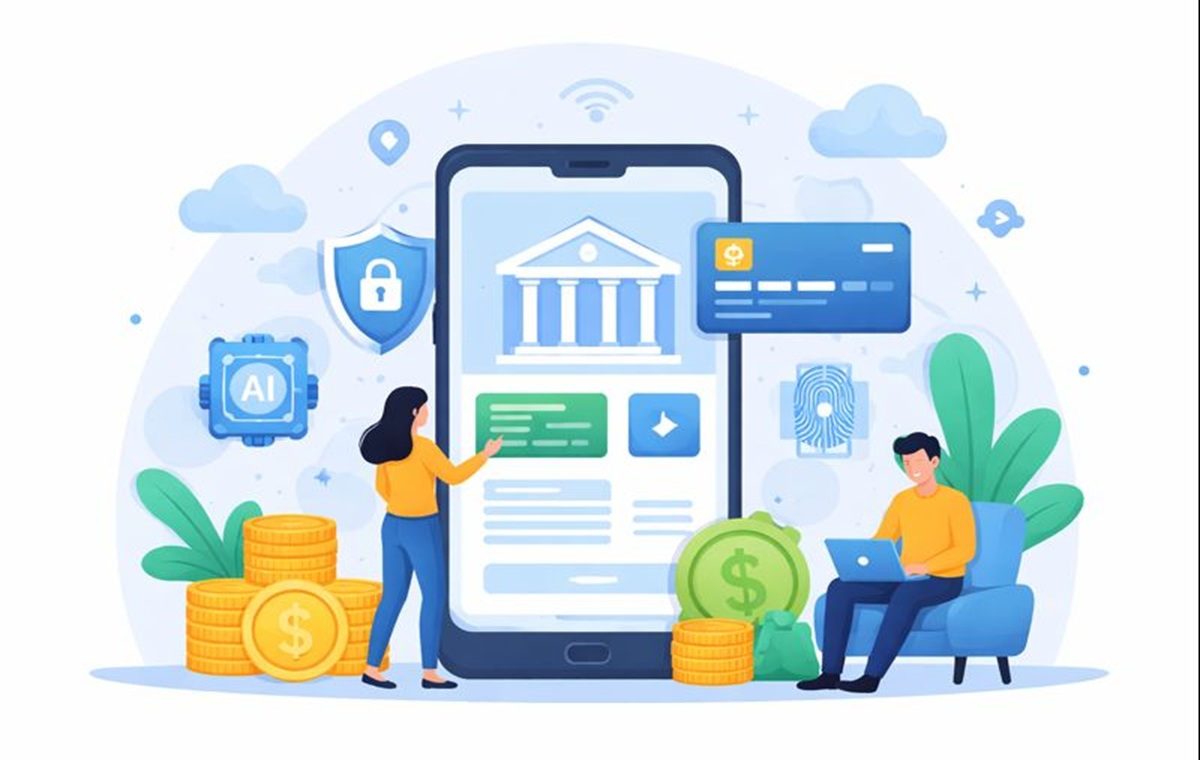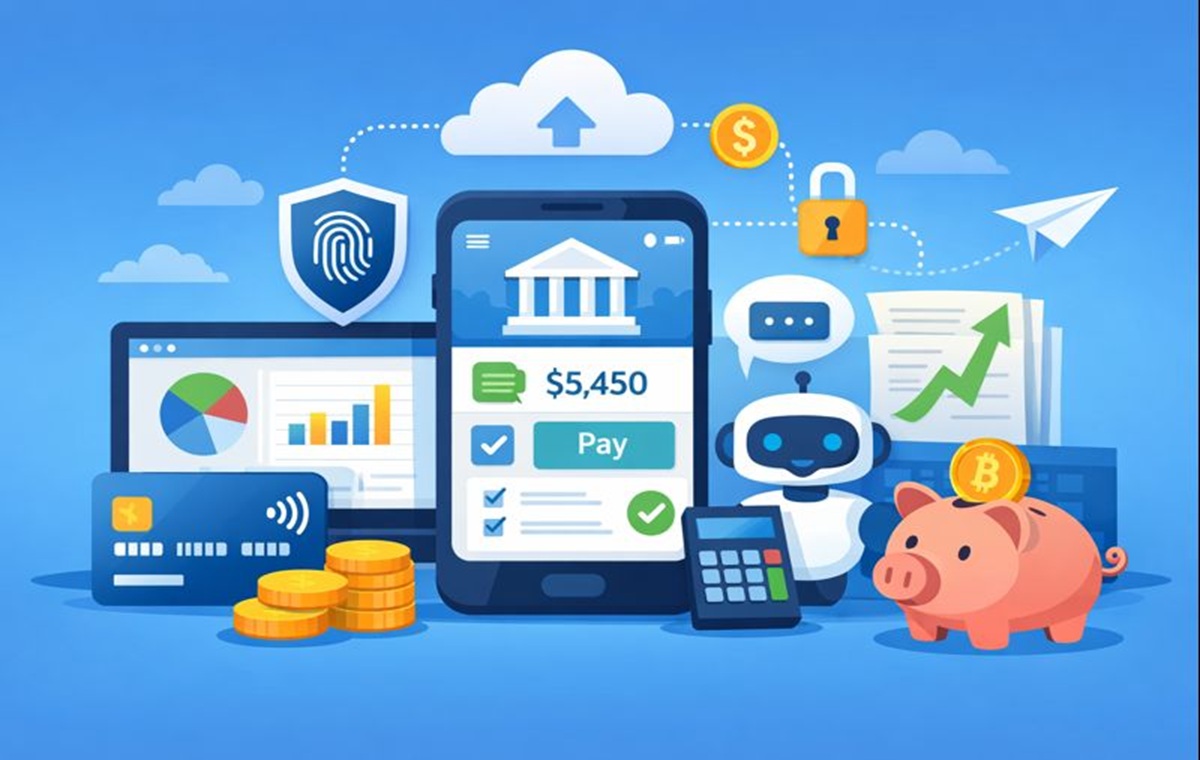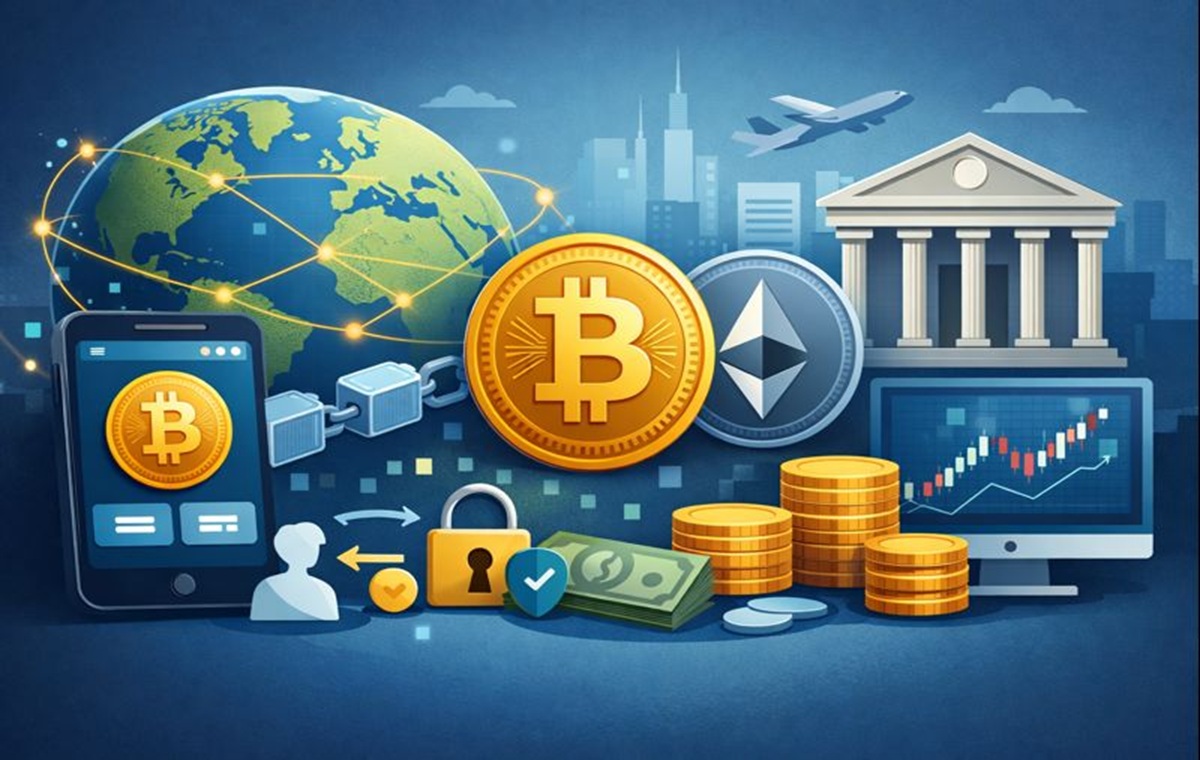
Digital banking technology has changed the way people manage their money. In the past, banking was slow and required physical visits to branches. Today, most banking tasks can be done online in minutes. People can send money, pay bills, and check balances using their mobile phones or computers. This shift has not only made banking faster but also more secure.
Banks now use advanced digital tools to protect user data and prevent unauthorized access. At the same time, technology helps banks process transactions quickly and accurately. This article explains how digital banking technology improves security and speed in simple and clear words.
What Is Digital Banking Technology?
Digital banking technology refers to tools and systems that allow banks to offer services online. These services include mobile banking apps, online portals, digital payment systems, and automated customer support.
Instead of relying on paper records and manual work, banks use software and secure networks. This technology helps both banks and customers save time. It also reduces errors and improves overall service quality.
Digital banking is now a normal part of daily life for many people. From checking account balances to applying for loans, everything can be done digitally.
Why Security and Speed Matter in Banking
Security and speed are two of the most important factors in banking. People trust banks with their money and personal information. If a system is slow or unsafe, trust can be damaged.
Fast banking services help people manage their finances better. Quick payments and instant updates reduce stress and confusion. Secure systems protect users from unauthorized access and data misuse.
Digital banking technology focuses on improving both areas at the same time. This balance helps create a better experience for users.
How Digital Banking Improves Security
Advanced User Authentication
One of the biggest security improvements in digital banking is strong user authentication. Banks no longer rely only on passwords. Many banks now use multi-step verification methods.
This may include one-time codes sent to mobile phones, biometric options like fingerprints, or face recognition. These extra layers make it harder for unauthorized users to access accounts.
Even if someone knows a password, they still cannot log in without additional verification.
Data Encryption for Safe Transactions
Encryption is a key security feature in digital banking. It converts sensitive information into coded data that cannot be easily read.
When users send money or log in to their accounts, the data is encrypted during transfer. This prevents others from intercepting or misusing the information.
Encryption works silently in the background. Users may not see it, but it plays a major role in keeping online banking safe.
Real-Time Fraud Monitoring
Digital banking systems use automated tools to detect unusual activity. These tools monitor transactions in real time.
If a transaction looks suspicious, the system can flag it immediately. In some cases, the bank may temporarily block the transaction and alert the customer.
This quick response helps reduce losses and keeps accounts secure. It also allows users to take action quickly if something seems wrong.
Secure Mobile Banking Apps
Mobile banking apps are designed with strong security features. Banks regularly update their apps to fix issues and improve protection.
Many apps include automatic logout features, secure session timeouts, and device-based restrictions. These steps reduce the risk of unauthorized access.
Users are also encouraged to keep their apps updated and avoid using public networks for banking tasks.
Reduced Human Error
Manual banking processes often involve paperwork and human handling. This can lead to mistakes or data leaks.
Digital systems reduce the need for manual work. Automated processes follow strict rules and reduce the chance of error.
This not only improves accuracy but also strengthens security across banking operations.
How Digital Banking Improves Speed
Faster Transactions
One of the biggest benefits of digital banking is speed. Transactions that once took days can now be completed in seconds.
Online transfers, bill payments, and account updates happen almost instantly. This saves time for both customers and banks.
Fast processing also helps businesses manage cash flow more efficiently.
Instant Account Access
With digital banking, users can access their accounts anytime. There is no need to wait for bank hours or stand in long lines.
Users can check balances, view transaction history, and download statements instantly. This level of access helps people stay informed about their finances.
Instant access also allows quick decision-making in urgent situations.
Automated Banking Services
Automation plays a big role in improving speed. Many banking tasks are handled automatically by systems.
Loan approvals, account verification, and payment processing are often faster due to automation. These systems work continuously without delays.
Automation also helps banks handle large volumes of transactions smoothly.
Digital Customer Support
Digital banking technology includes chatbots and online help systems. These tools provide quick responses to common questions.
Instead of waiting for a phone call or visiting a branch, users can get instant support online. This saves time and improves customer satisfaction.
Human support is still available when needed, but digital tools handle many basic requests efficiently.
Paperless Banking Processes
Digital banking reduces the need for paperwork. Forms can be filled online, and documents can be uploaded digitally.
This speeds up processes like account opening and loan applications. It also reduces processing delays caused by physical document handling.
Paperless systems are faster and more convenient for users.
The Role of Artificial Intelligence in Banking
Artificial intelligence, or AI, is an important part of modern digital banking. AI helps analyze data and improve services.
AI systems can detect patterns in transactions and identify potential risks. They also help personalize user experiences by offering relevant services.
AI improves both security and speed by making smarter decisions in less time.
Cloud Technology and Banking Performance
Many banks use cloud technology to store data and run systems. Cloud platforms offer flexibility and reliability.
Cloud-based systems can handle high traffic and large data volumes. This improves system performance and reduces downtime.
Cloud technology also allows banks to update services quickly and securely.
Benefits for Customers
Digital banking technology offers many benefits for users. Faster services save time and reduce stress. Improved security builds trust and confidence.
Users can manage their finances easily from anywhere. They also receive alerts and updates that help them stay informed.
Overall, digital banking makes financial management simpler and more efficient.
Benefits for Banks
Banks also benefit from digital banking technology. Automated systems reduce operational costs and improve efficiency.
Better security reduces losses from fraud. Faster services attract more customers and improve satisfaction.
Digital tools help banks stay competitive in a changing financial environment.
Challenges and Responsible Use
While digital banking offers many benefits, responsible use is important. Users should protect their login details and use secure devices.
Banks must continue updating systems and educating users. Awareness helps prevent common risks and improves overall safety.
Technology works best when users and banks work together.
The Future of Digital Banking Technology
Digital banking technology continues to evolve. Future developments may include more advanced authentication methods and faster global payments.
As technology improves, banking will become even more secure and efficient. Users can expect better services and smoother experiences.
Innovation will continue to shape how people interact with financial institutions.
Final Thoughts
Digital banking technology has transformed the financial world. It has improved security by protecting data and preventing unauthorized access. It has increased speed by automating processes and enabling instant transactions.
These improvements make banking more reliable and user-friendly. As technology advances, digital banking will continue to offer better solutions for both customers and banks.
By understanding how digital banking works, users can make the most of modern financial services while staying safe and informed.