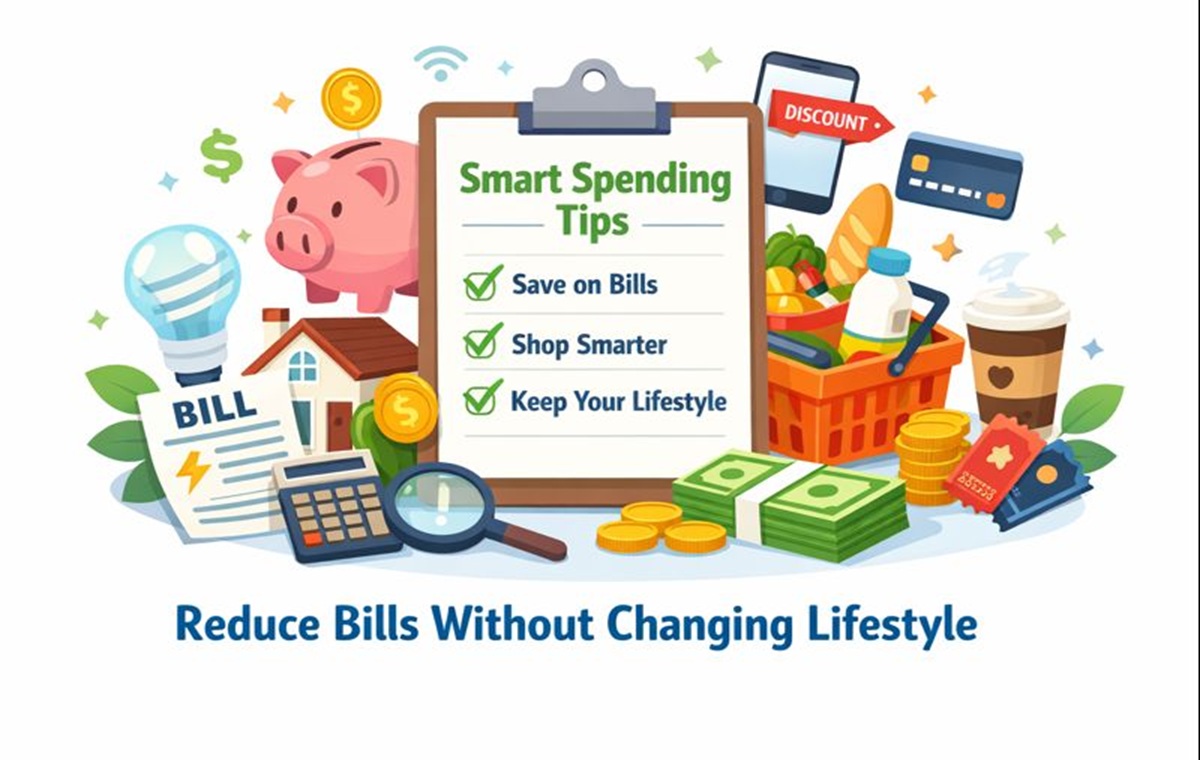
Managing money does not always mean cutting fun or living a boring life. Many people think saving money requires big sacrifices. In reality, smart spending helps you reduce monthly bills while keeping your lifestyle the same. You do not need to stop enjoying small comforts. You only need to spend in a smarter way.
Smart spending is about making better choices with your money. It focuses on awareness, planning, and simple habits. This article explains easy and practical smart spending tips that help lower your bills without changing how you live.
What Is Smart Spending?
Smart spending means using your money wisely. It is not about spending less all the time. It is about spending better. When you spend smartly, you avoid waste and focus on value.
Smart spending helps you:
- Reduce unnecessary costs
- Pay bills more easily
- Save money without stress
- Improve financial stability
You still enjoy your daily routine. You just stop paying extra for things you do not need.
Why Bills Keep Increasing Every Month
Many people notice that their bills keep growing. This happens for several reasons.
Small habits often increase costs slowly. Extra subscriptions, higher utility usage, and unplanned spending all add up. Inflation and service charges also play a role. When you do not track spending, money leaves faster than expected.
The good news is that most bills can be reduced with small changes. These changes do not affect comfort or lifestyle.
Track Your Bills to Find Hidden Costs
The first step in smart spending is awareness. You must know where your money goes.
Start by listing all monthly bills. Include:
- Electricity
- Internet
- Mobile plans
- Streaming services
- Insurance
- Memberships
Look closely at each bill. Many people pay for services they barely use. When you see the full picture, it becomes easier to make smart decisions.
Tracking does not mean cutting everything. It means understanding what you are paying for.
Reduce Utility Bills Without Comfort Loss
Utility bills are a major expense. The good part is that small habits can lower them easily.
Use energy-efficient habits at home. Turn off lights when not needed. Use natural light during the day. Keep appliances well maintained.
You can also:
- Use fans before turning on air conditioning
- Unplug devices when not in use
- Run full loads in washing machines
These actions do not change your lifestyle. They only reduce waste.
Optimize Internet and Mobile Plans
Many people overpay for internet and mobile services. They choose high plans but use only part of them.
Check your usage history. If your data usage is low, downgrade your plan. Call your service provider and ask about better offers.
Sometimes companies offer discounts only when customers ask. Switching to a more suitable plan can save money every month without affecting daily use.
Review Subscriptions and Memberships
Subscriptions are silent money eaters. They often go unnoticed.
Check all subscriptions such as:
- Streaming platforms
- Apps
- Online tools
- Fitness memberships
Cancel those you rarely use. Keep only the ones that add real value to your life.
This step alone can reduce monthly bills without changing daily habits.
Smart Grocery Spending Without Eating Less
Food is a necessity, not a luxury. Smart spending helps you lower grocery costs without reducing quality or quantity.
Plan your shopping before going to the store. Make a simple list and stick to it. Avoid impulse buying.
Buy items in bulk when they are used regularly. Choose store brands when quality is similar. Use discounts wisely instead of buying unnecessary items.
You still eat the same meals. You just pay less for them.
Use Cashless Payments Carefully
Digital payments are convenient but can increase spending. Small digital purchases feel painless, but they add up.
Set spending alerts on your banking apps. Review transaction history weekly. This helps you stay aware.
Smart spending does not mean stopping digital payments. It means using them with control and awareness.
Lower Energy Bills With Simple Home Habits
Energy costs can be reduced with very small changes.
Use energy-saving bulbs. Adjust temperature settings slightly instead of extreme use. Clean air filters regularly to improve efficiency.
These habits do not affect comfort. They only improve how energy is used.
Over time, these small changes make a big difference in bills.
Compare Prices Before Paying Bills
Many people accept prices without comparison. This leads to higher spending.
Compare service providers once a year. Look at:
- Insurance plans
- Internet services
- Utility providers
- Banking fees
Switching providers can lower costs without affecting services. Competition often offers better deals for new or loyal customers.
Avoid Late Fees and Extra Charges
Late fees are unnecessary expenses. They do not improve lifestyle but increase stress.
Set reminders for bill payments. Use auto-pay for fixed bills. Paying on time saves money and keeps your financial record clean.
This is one of the easiest smart spending habits to adopt.
Use Smart Shopping Timing
Timing matters when shopping. Prices change during sales, seasons, and special offers.
Buy non-urgent items during discount periods. Use price comparison tools when available.
Smart timing helps you get the same product for less money. Your lifestyle stays unchanged.
Cook Smart, Not Less
Eating at home saves money, but it does not mean boring meals.
Cook simple meals using planned ingredients. Use leftovers creatively instead of wasting food.
You still enjoy good food. You just avoid food waste and extra spending.
Choose Quality Over Cheap Products
Buying cheap items often leads to frequent replacement. This increases long-term costs.
Choose quality products that last longer. They may cost more initially but save money over time.
Smart spending focuses on long-term value, not short-term savings.
Limit Impulse Buying Without Restrictions
Impulse buying is emotional spending. It often leads to regret.
Use a simple rule. Wait 24 hours before buying non-essential items. Most impulse urges disappear after waiting.
This method does not restrict lifestyle. It improves spending decisions.
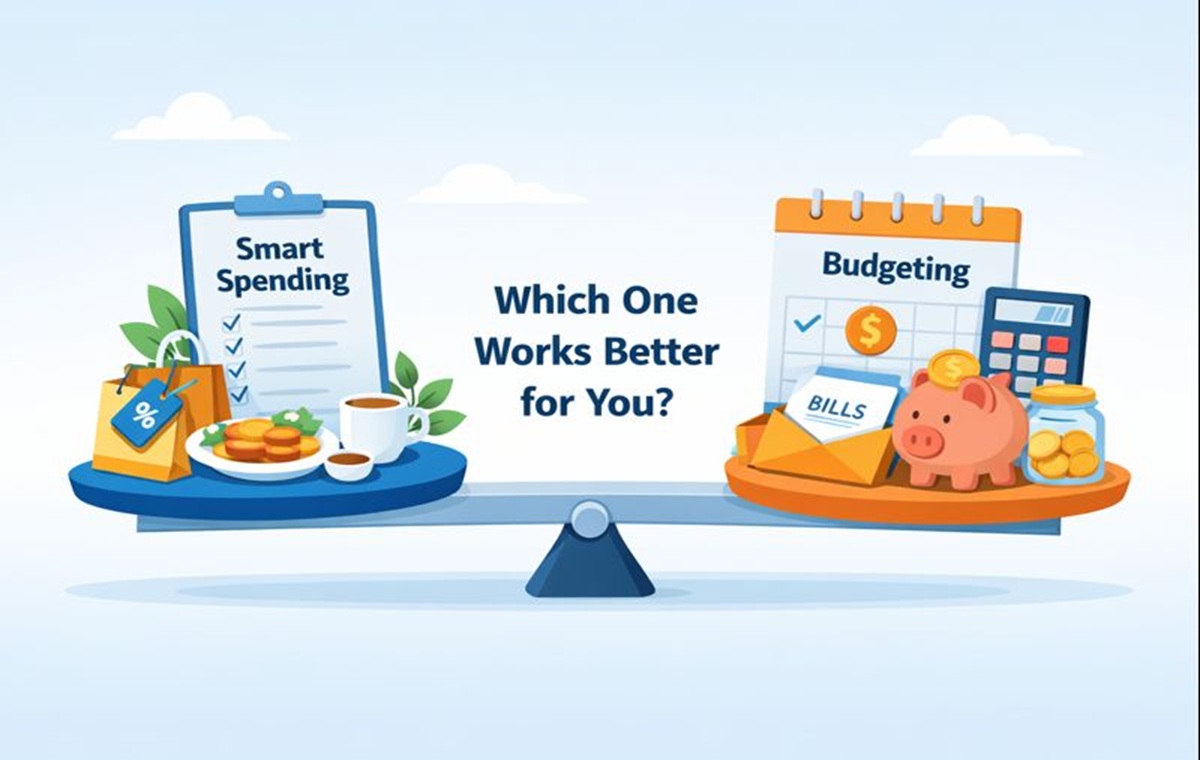
Use Budgeting as a Guide, Not a Rulebook
Budgeting supports smart spending. It does not control your life.
Create a flexible budget that includes enjoyment. Allow space for entertainment and small treats.
When budgeting feels friendly, it becomes easier to follow.
Smart Spending Builds Financial Confidence
Reducing bills without lifestyle change builds confidence. You feel more in control of your money.
Smart spending reduces stress. It improves savings. It prepares you for emergencies.
Most importantly, it helps you live comfortably without financial pressure.
Long-Term Benefits of Smart Spending
Smart spending creates lasting benefits.
You gain:
- Lower monthly bills
- Better savings habits
- Stronger financial stability
- Improved money awareness
These benefits grow over time and support future financial goals.
Final Thoughts
Smart spending is not about sacrifice. It is about awareness and better choices. Small changes in habits can reduce bills without changing lifestyle.
You do not need extreme budgeting. You do not need to give up comfort. You only need to spend smarter.
When smart spending becomes a habit, financial peace follows naturally.