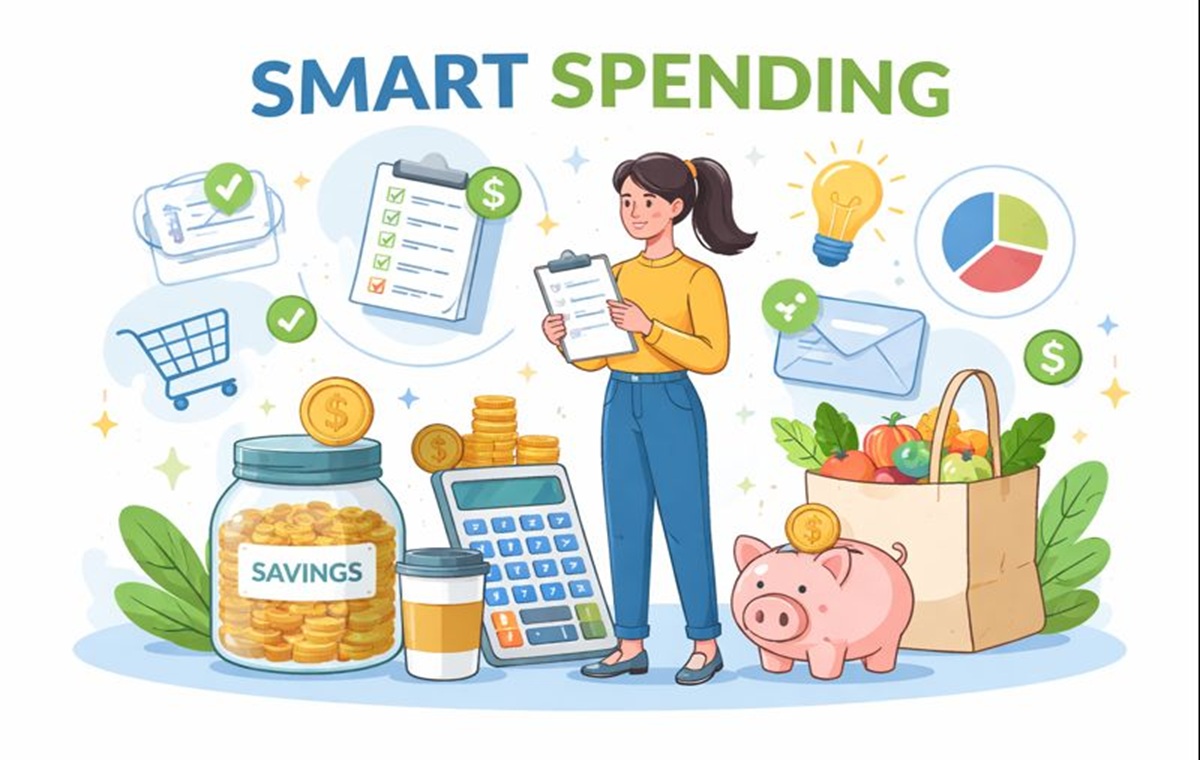
Money is a part of everyday life. We earn it, spend it, and often wonder where it goes. Many people struggle not because they earn too little, but because they spend without planning. This is where smart spending becomes important. Smart spending helps you use your money wisely so that it lasts longer and supports your future goals.
In this article, you will learn what smart spending really means, why it matters, and how you can control your daily expenses in simple and practical ways.
What Is Smart Spending?
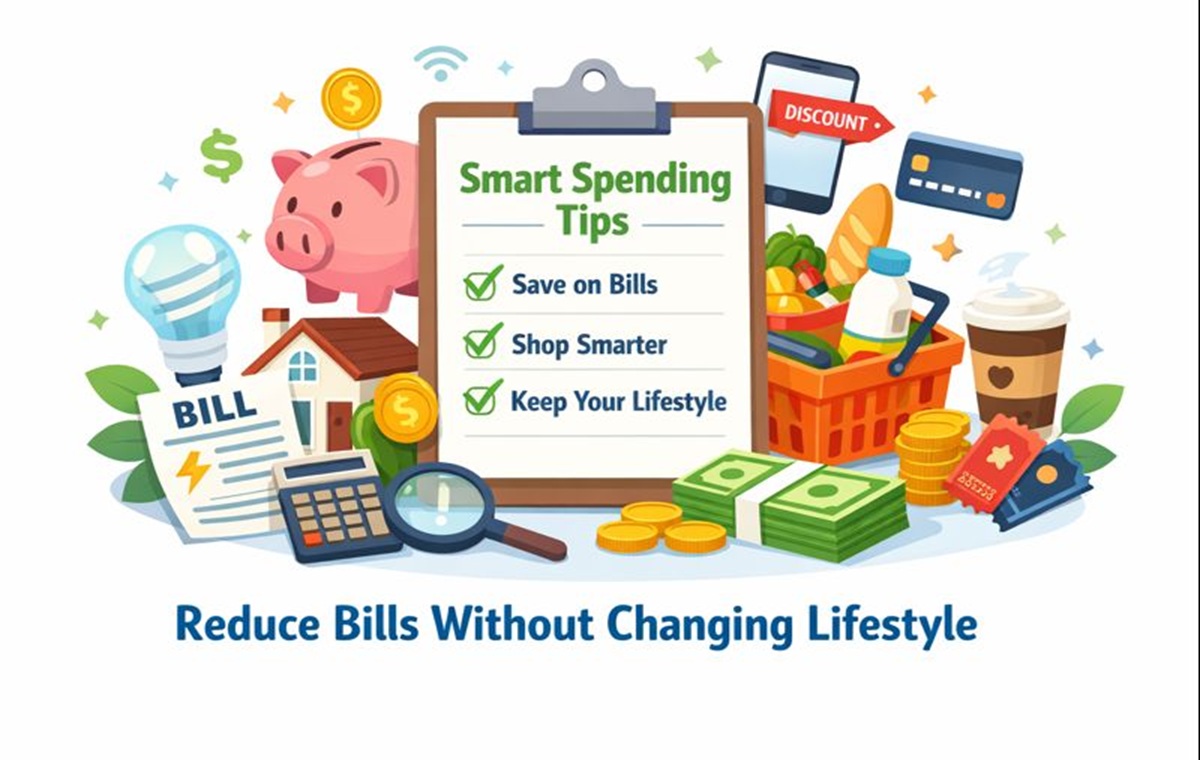
Smart spending means using your money in a thoughtful and planned way. It does not mean stopping all spending or living a boring life. Instead, it means spending on things that are important and useful, while reducing or avoiding unnecessary costs.
Smart spending focuses on value. You ask yourself questions like:
- Do I really need this?
- Is this worth the money?
- Can I find a better or cheaper option?
When you spend smartly, your money works for you instead of disappearing without results.
Why Smart Spending Is Important
Smart spending is important because money is limited. No matter how much you earn, poor spending habits can cause financial stress. Smart spending helps you stay in control and feel confident about your finances.
Here are some key reasons why smart spending matters:
- It helps you avoid debt
- It improves your saving habits
- It reduces money stress
- It prepares you for emergencies
- It supports long-term financial stability
By controlling daily expenses, you can build a healthier financial life step by step.
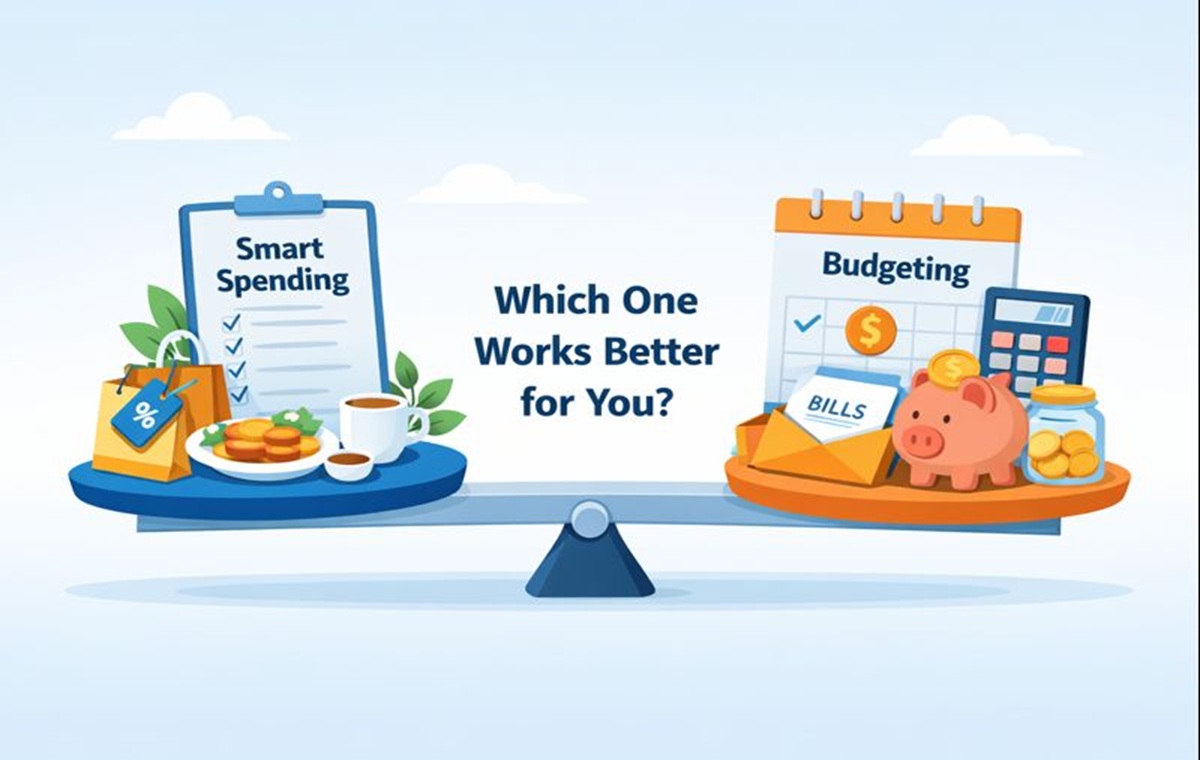
Smart Spending vs Normal Spending
Normal spending often happens without thinking. You buy things out of habit, emotion, or pressure. Smart spending is different because it is intentional.
Normal spending:
- Happens quickly
- Is often emotional
- Ignores long-term impact
Smart spending:
- Is planned
- Is based on needs
- Considers future goals
The goal is not to feel guilty about spending, but to feel confident that your money is being used wisely.
Understand Your Daily Expenses
Before you can control your expenses, you must understand them. Daily expenses are small costs that happen regularly. These may seem minor, but they add up over time.
Common daily expenses include:
- Food and snacks
- Transportation
- Mobile and internet charges
- Online subscriptions
- Small impulse purchases
Tracking these expenses helps you see where your money is going and where you can make improvements.
Track Your Spending Regularly
One of the best smart spending habits is tracking your expenses. This means writing down what you spend each day.
You can track expenses by:
- Using a notebook
- Using a simple spreadsheet
- Using a budgeting app
When you track spending, you become more aware. Awareness alone often reduces unnecessary spending because you start thinking before you buy.
Create a Simple Daily Budget
A budget does not need to be complicated. A simple daily or monthly budget is enough to control expenses.
Your budget should include:
- Income
- Fixed expenses (rent, bills)
- Daily variable expenses
- Savings amount
When you know how much you can spend daily, you avoid overspending. A budget gives your money a clear direction.
Separate Needs From Wants
This is one of the most important smart spending skills.
Needs are things you must have:
- Food
- Basic clothing
- Shelter
- Transportation
- Utilities
Wants are things you enjoy but do not need:
- Eating out often
- Brand-name items
- Entertainment subscriptions
- Impulse shopping
Smart spending does not remove wants, but it controls them. Focus on needs first, then allow wants within limits.
Reduce Impulse Buying
Impulse buying is one of the biggest reasons daily expenses increase. These purchases happen suddenly and are often emotional.
To reduce impulse buying:
- Wait 24 hours before buying non-essential items
- Avoid shopping when bored or stressed
- Make a shopping list and stick to it
- Avoid unnecessary browsing on shopping apps
With time, impulse buying habits can be replaced with mindful spending.
Plan Before You Spend
Planning is a powerful smart spending tool. When you plan your expenses, surprises reduce.
Examples of planning:
- Planning meals for the week
- Planning monthly bills
- Planning transport costs
- Planning shopping in advance
Planning helps you avoid last-minute expensive choices and saves money naturally.
Use Cash or Limited Digital Payments
When spending feels easy, it often increases. Using cash or setting spending limits can help control expenses.
Helpful tips:
- Use cash for daily spending
- Set limits on debit or credit cards
- Avoid saving card details on apps
When you physically see money leaving your hand, spending becomes more controlled.
Cut Unnecessary Subscriptions
Many people lose money on unused subscriptions. These small monthly charges quietly increase expenses.
Check for:
- Streaming services you rarely use
- Apps with paid plans
- Gym memberships you do not attend
Canceling unnecessary subscriptions is an easy way to improve smart spending without effort.
Shop Smart and Compare Prices
Smart spending includes smart shopping. Prices can vary for the same product.
Before buying:
- Compare prices online
- Look for discounts
- Buy in bulk when useful
- Avoid brand pressure
Buying smarter does not reduce quality, it increases value.
Control Food and Eating Expenses
Food is a daily expense that can be controlled with smart habits.
Smart food spending tips:
- Cook at home more often
- Plan meals in advance
- Avoid daily takeaway food
- Shop with a grocery list
These habits not only save money but also improve health.
Use Technology to Support Smart Spending
Technology can help you control expenses when used correctly.
Useful tools:
- Expense tracking apps
- Budgeting apps
- Bank alerts for spending
- Digital wallets with limits
These tools increase awareness and reduce careless spending.
Set Small Saving Goals
Smart spending works best when combined with saving. Even small savings matter.
You can start by:
- Saving a small amount daily
- Saving leftover money at the end of the month
- Saving for short-term goals
When you see savings grow, motivation increases and spending becomes more controlled.
Avoid Lifestyle Inflation
When income increases, expenses often increase too. This is called lifestyle inflation.
Smart spending means:
- Increasing savings when income increases
- Avoiding unnecessary upgrades
- Maintaining balanced spending habits
This helps you build wealth instead of just spending more.
Review Your Spending Every Month
Smart spending is not a one-time action. It is a habit that improves with review.
At the end of each month:
- Review expenses
- Identify problem areas
- Adjust your budget
- Set better limits
Regular review keeps you in control and prevents financial mistakes.
How Smart Spending Reduces Financial Stress
Money stress often comes from lack of control. Smart spending gives you control.
Benefits include:
- Fewer money worries
- Better sleep
- Confidence in daily decisions
- Preparedness for emergencies
When expenses are controlled, life feels more balanced and secure.
Smart Spending Is a Long-Term Habit
Smart spending is not about perfection. It is about progress. Small changes, practiced daily, lead to big financial improvements over time.
You do not need to stop enjoying life. You only need to spend with awareness and purpose.
Final Thoughts
Smart spending is a simple but powerful skill. It helps you control daily expenses, reduce stress, and build a stronger financial future. By tracking spending, planning ahead, separating needs from wants, and making mindful choices, anyone can improve their money habits.
Start small. Stay consistent. Over time, smart spending will become a natural part of your life.