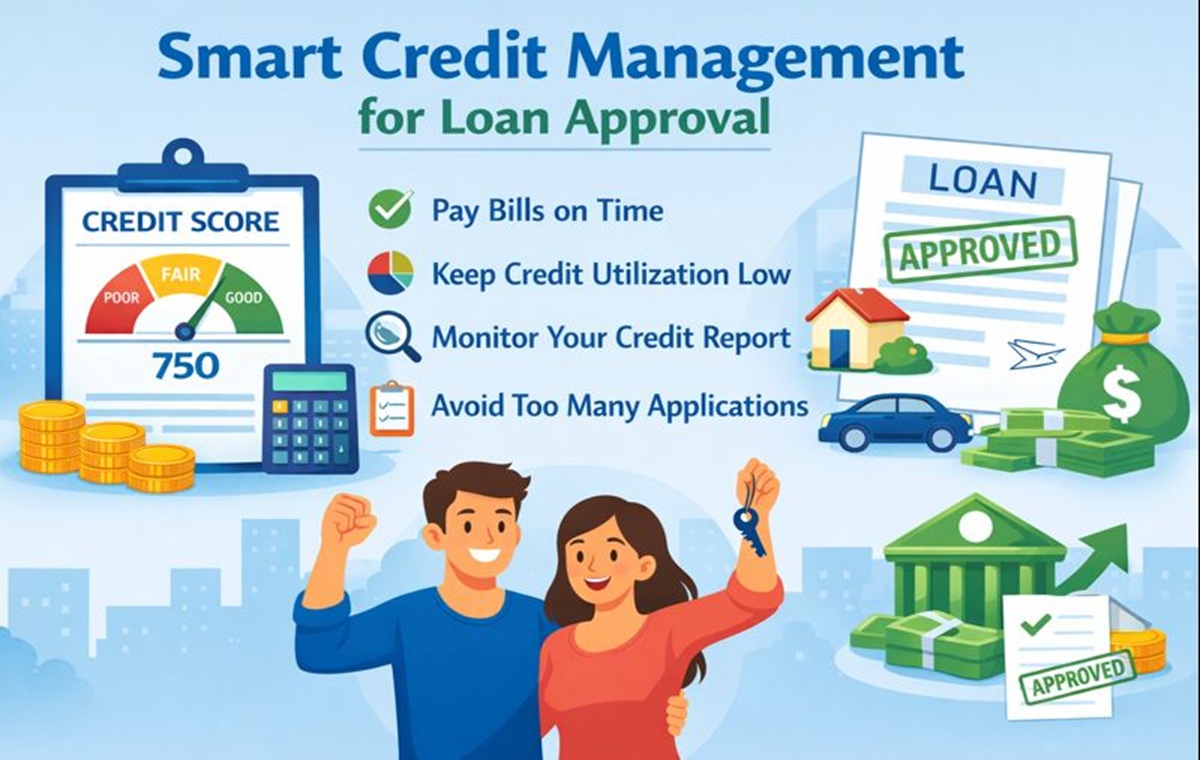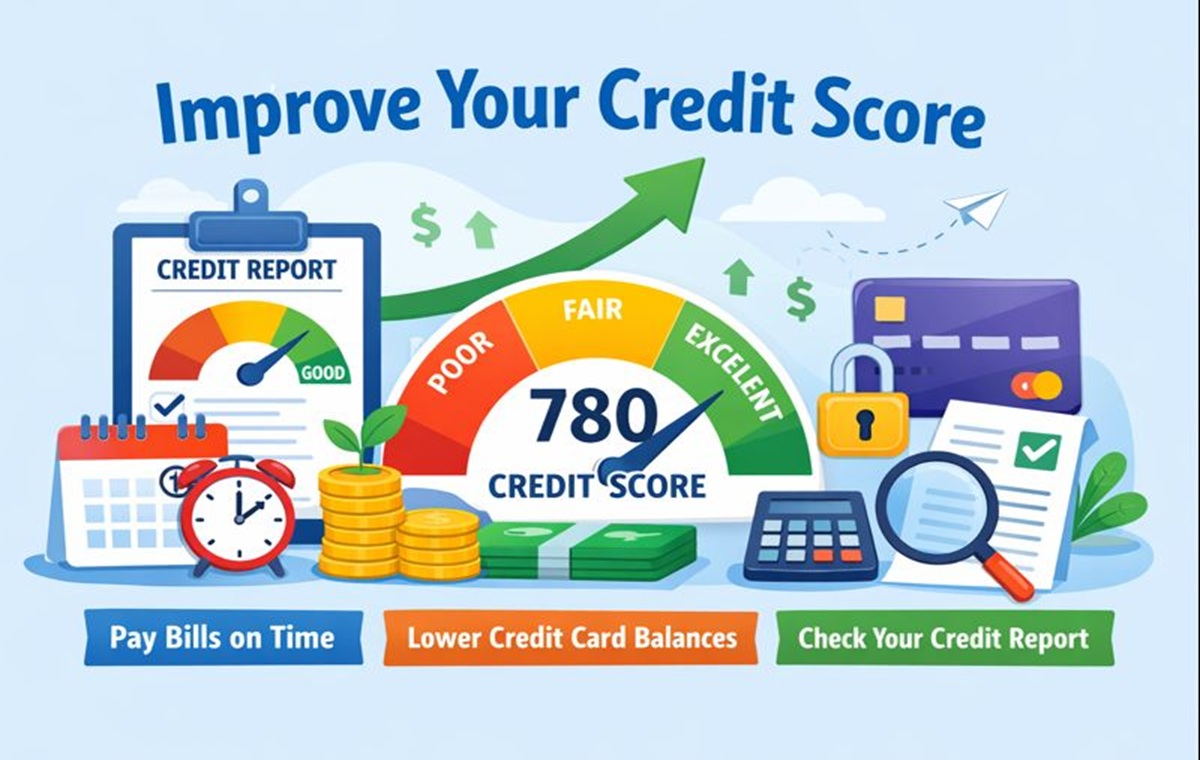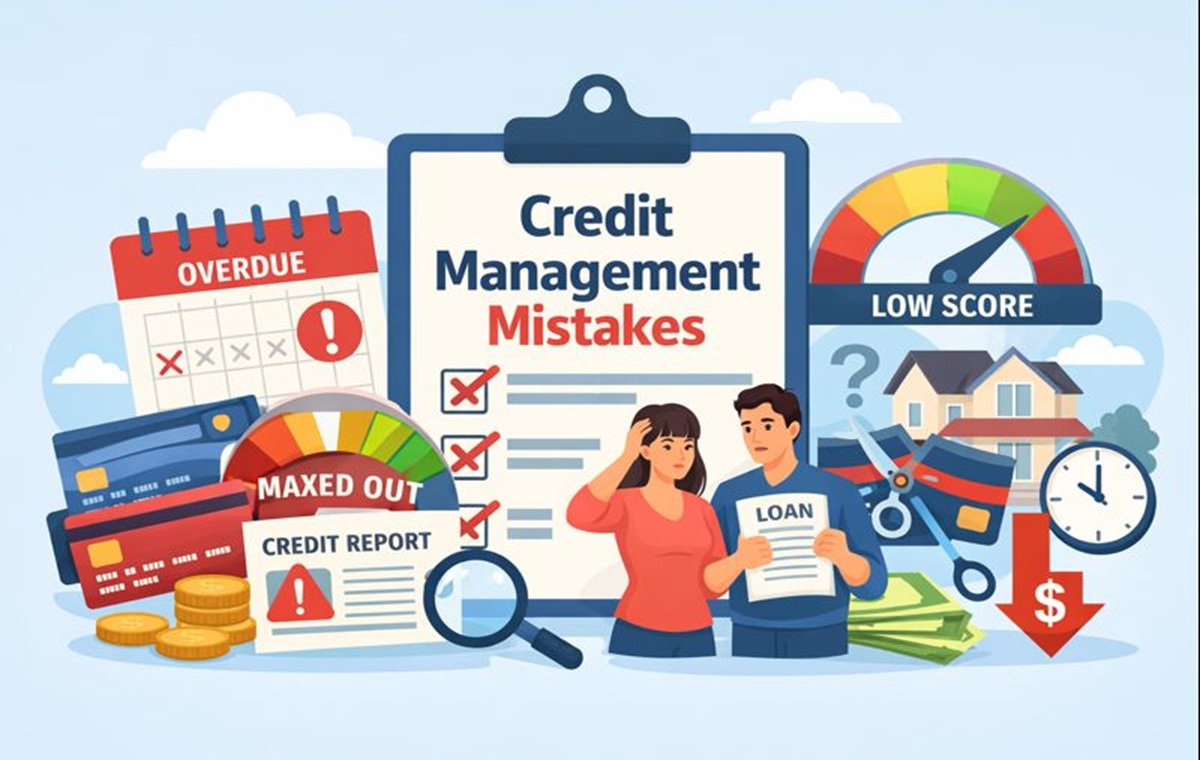
Managing credit can feel overwhelming, especially if you’re just getting started with personal finance. But one thing’s for sure—your credit profile plays a big role in your financial life. In this guide, we’ll walk you through the most common credit management mistakes people make, and more importantly, how to avoid them.
Let’s dive in and help you build a healthier financial future.
Why Credit Management Matters
The Role of Your Credit Profile
Your credit profile is like a financial report card. It tells lenders how trustworthy you are when it comes to borrowing money and paying it back. A good profile can open doors to lower interest rates, better loan offers, and even help when renting a home.
Impact on Financial Opportunities
Poor credit management can close many financial doors. A low credit score might mean getting denied for loans or paying higher interest. That’s why avoiding common mistakes is so important—it’s not just about today, but also about your future.
Mistake #1: Missing Payments
How Missed Payments Affect Your Credit
Even one missed payment can hurt your credit score. Payment history makes up a big part of your score. Lenders see missed payments as a red flag, and it stays on your report for years.
How to Avoid It
Set reminders or use automatic payments to stay on track. Even if you can only make the minimum payment, it’s better than missing it altogether.
Mistake #2: Maxing Out Your Credit Cards
What Is Credit Utilization?
Credit utilization is the amount of credit you’re using compared to your total limit. If your card limit is $1,000 and you’ve used $900, your utilization is 90%. That’s considered high.
How High Balances Can Hurt You
Keeping your balances close to the limit tells lenders you may be over-relying on credit. Ideally, keep it below 30% of your total limit. Better yet, aim for under 10%.
Mistake #3: Applying for Too Much Credit at Once
Hard Inquiries Explained
Every time you apply for credit, a “hard inquiry” shows up on your report. Too many in a short time can make you look desperate to borrow money, which isn’t a good look to lenders.
Timing Your Applications Right
Only apply for new credit when necessary. If you know you’ll need a loan soon (like for a car or house), avoid applying for other types of credit in the meantime.
Mistake #4: Closing Old Credit Accounts
Why Age of Credit Matters
The longer you’ve had credit, the better it looks. Closing old accounts can shorten your credit history, which may lower your score.
Better Alternatives to Closing Accounts
Instead of closing a credit card, keep it open with occasional small purchases and pay them off quickly. This keeps the account active without hurting your score.
Mistake #5: Ignoring Your Credit Report
How Errors Can Hurt Your Score
Mistakes on your report, like incorrect balances or missed payments, can damage your score unfairly. And yes, it happens more often than you think.
How Often to Check It
Check your report at least once a year. In the U.S., you can use AnnualCreditReport.com to get free reports from the three major bureaus. Spot errors early and dispute them fast.
Mistake #6: Co-Signing Without Understanding the Risk
How Co-Signing Impacts You
When you co-sign for someone else’s loan, you’re equally responsible for the debt. If they miss payments, your credit will suffer too.
What to Consider Before Co-Signing
Only co-sign if you completely trust the person—and even then, be ready to take on the debt if needed. It’s a big financial responsibility, not just a favor.
Mistake #7: Not Having a Mix of Credit Types
Credit Mix and Its Importance
Lenders like to see that you can handle different types of credit, such as credit cards, auto loans, and personal loans. This is called your credit mix, and it counts toward your score.
Simple Ways to Improve Your Credit Mix
Don’t open new accounts just to improve your mix. But if you’re planning a loan or a credit card, understand how it fits into your overall credit picture.
Tips for Better Credit Management
Build Healthy Habits
- Always pay on time
- Keep balances low
- Avoid unnecessary credit inquiries
- Review your credit report regularly
Use Credit Responsibly
Credit isn’t bad—it’s how you use it that matters. Treat your credit limit like a tool, not free money. A little discipline goes a long way.
Conclusion
Your credit profile can either be a powerful tool or a painful roadblock. The good news? Most credit problems come from avoidable mistakes. By understanding and steering clear of these common pitfalls, you’ll set yourself up for long-term financial success.
Remember, credit management is a journey, not a race. Take it one step at a time, and your score will thank you.
Frequently Asked Questions (FAQs)
1. How long do late payments stay on your credit report?
Late payments can stay on your credit report for up to seven years, but their impact lessens over time with good behavior.
2. Is it bad to pay off a credit card in full?
Not at all! In fact, paying off your balance in full shows you’re responsible and helps keep your utilization low.
3. How often should I check my credit score?
Checking once a month is safe and doesn’t hurt your score if done through soft inquiries like credit monitoring apps.
4. Will closing a credit card hurt my score?
It can, especially if it’s an old account. Closing it may affect your credit history length and utilization ratio.
5. What’s the fastest way to improve my credit score?
The fastest way is to pay down credit card balances and make all your payments on time. Avoid new hard inquiries during this time.